Choosing Aluminium Windows & Doors is not just a matter of matching frame colours to a drawing. The right system must suit the building, the climate, and the way each room is used. A wide living-room opening may need a sliding door with a low threshold, while a small bathroom window needs privacy and dependable ventilation. These details are easy to miss when a catalogue becomes the whole brief.
Before comparing products, measure each opening and note its direction, exposure to rain, and nearby noise. Ask about frame depth, thermal breaks, glazing options, drainage, hardware, and installation tolerances. A well-made frame can still underperform if it is poorly fitted. Small gaps matter. So does maintenance access. For a real project, request product data and installation details, then confirm that they suit the building’s requirements.
A practical specialist’s rule is: “Choose the system for the opening and its conditions, not for appearance alone.” This guide applies that principle to styles, materials, energy performance, security, and cost. It also recognizes an imperfect truth: no single specification fits every project. A slim profile may look elegant, yet limit glazing choices; a higher-performance option may exceed the budget. Compare trade-offs, ask suppliers specific questions, and check assumptions before ordering. These steps make it easier to choose Aluminium Windows & Doors with confidence, while leaving room to reconsider details that do not quite fit.
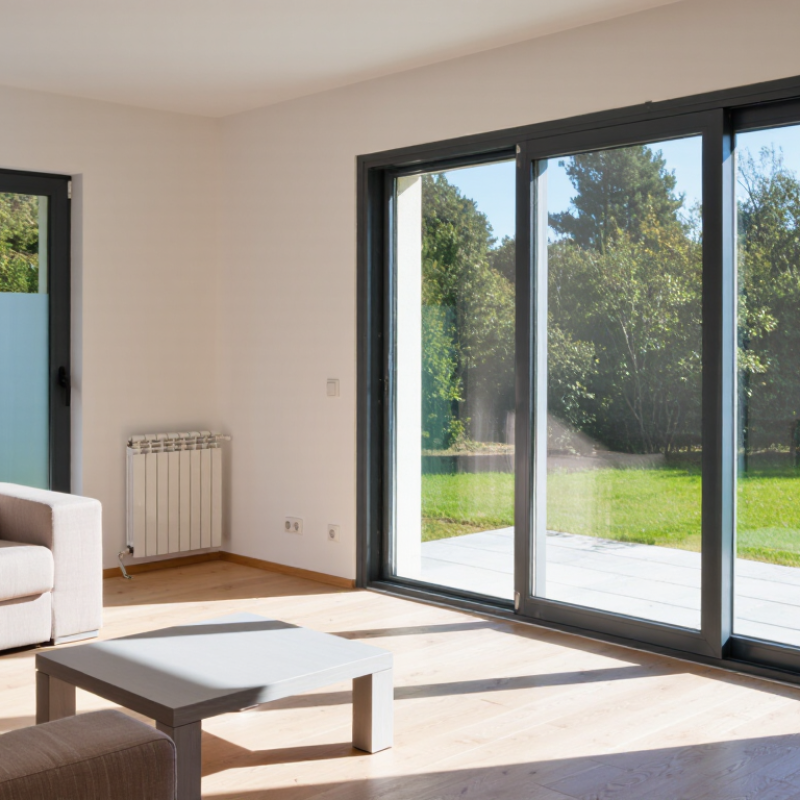
Define Project Requirements, Site Conditions, and Design Goals
Before selecting aluminium windows and doors, define what each opening must do. A south-facing living room may need glare control, while a shaded hallway may benefit from more daylight. Measure rough openings, ceiling heights, and furniture clearances; a wide sliding door can look elegant but may leave little wall space. List priorities such as thermal comfort, ventilation, privacy, and accessibility. Then rank them. Not every goal fits every opening.
Site conditions can change the specification. Check prevailing wind, driving rain, nearby traffic, coastal salt, and afternoon sun. Note them on a site plan. The U.S. Department of Energy’s Energy Saver guidance estimates that windows account for about 25–30% of residential heating and cooling energy use. That range makes orientation and glazing choices worth careful review. Compare NFRC-rated U-factor and solar heat gain coefficient values for the project’s climate, rather than choosing by frame appearance alone. Ask the designer or installer to confirm drainage details, sill heights, and connection to the wall assembly. Small details matter. I have seen a neat schedule miss a noisy street or a wind-exposed corner; the drawing looked complete, but the room’s daily use had not been considered. That assumption deserves a second look.
Compare Aluminium Frame Systems, Profiles, and Opening Styles
Compare aluminium frame systems by their thermal break, profile depth, and opening style—not by appearance alone. A thermally broken frame separates interior and exterior aluminium with an insulating barrier, limiting heat transfer. Casement windows seal tightly when closed and suit breezy elevations. Sliding units save space beside patios, but their tracks need regular cleaning. Tilt-and-turn hardware offers ventilation control, though it adds moving parts.
Profile dimensions affect glazing capacity, sightlines, and daylight. A deeper section may support heavier glass, but it can also make a narrow opening feel darker. The U.S. Department of Energy’s Energy Saver guidance estimates that heat gain and loss through windows account for
25–30% of residential heating and cooling energy use.
That figure makes frame and glazing selection worth careful review. Still, no profile fixes poor installation. Small details matter. Check drainage paths, gasket fit, hardware access, and the supplier’s documented thermal and air-leakage performance. I would not assume a slimmer frame always performs better; the result depends on the full assembly and site exposure.
Tips: Match the opening to how the room is used. For a kitchen, test whether a casement handle clears the tap. For a compact balcony, measure sliding-panel overlap and furniture clearance. Ask for section drawings and performance data for the exact frame-and-glass combination.
Evaluate Glazing, Energy Efficiency, and Weather Protection
Aluminium windows and doors perform well only when their glazing, frame design, and installation suit the building. Compare the whole window’s U-factor, not just the glass rating; a lower value generally means less heat escapes. In colder regions, consider low-emissivity double or triple glazing. In sunny rooms, check the solar heat gain coefficient too, since strong afternoon sun can overheat a space. There is no perfect glass choice.
Ask how the frame limits heat transfer. Aluminium conducts heat readily, so a thermal break between its inner and outer sections can reduce heat loss and condensation. Look for clear performance data for the complete unit. A spreadsheet may favor one option, yet a large pane can still feel cool beside a seating area. Room layout matters.
Weather protection depends on more than sturdy frames. Check gasket compression, corner joints, drainage paths, and the sill detail. A useful site check is to inspect exposed elevations after wind-driven rain, not only on a calm day. Confirm that flashing directs water outward and that installation gaps are sealed without blocking drainage. Small details count. Ask an installer how the product is tested for air and water penetration, and request ratings suited to local exposure. Ratings help, but poor installation can undermine them. Recheck measurements before ordering; even a minor opening error can complicate sealing.
Select Finishes, Hardware, Security, and Accessibility Features
A finish should suit both the building and its daily conditions. Dark frames can sharpen a modern façade, but they may show dust and water marks more clearly. Light or textured finishes can soften the look and hide minor wear. Compare physical samples outdoors, not only under showroom lights. A sample helps. Check how the colour reads beside brick, stone, or painted trim, and ask how the finish should be cleaned.
Hardware affects comfort as much as appearance. Handles should feel secure in the hand and operate smoothly without excessive force. For sliding doors, test the track and lock together; a stiff panel can become frustrating with frequent use. Hinges, rollers, and locking points also need to suit the size and weight of each opening. Small details matter. It is easy to focus on the frame and overlook how often a handle will be used.
Security and accessibility deserve attention at the planning stage. Consider multi-point locking, toughened glazing where appropriate, and clear sightlines near entrances. Ask a qualified installer to explain how the chosen hardware works with the frame and glass. For easier access, specify low thresholds, practical opening widths, and handles placed within comfortable reach. Check the route with mobility aids if relevant. One detail is easy to miss: a low threshold helps only if the approach outside is also level and unobstructed. A careful site review can reveal that before installation.
How to Choose Aluminium Windows and Doors for Your Project
Accessibility check: compare the ADA minimum clear door opening with a wider design target.
The ADA requires at least 32 inches (812.8 mm) of clear opening width when a door is open 90 degrees. A 36-inch (914.4 mm) target provides additional space but is a design suggestion, not an ADA requirement. Check applicable local codes and measure clear opening width—not the door panel.
Check Standards, Installation Requirements, and Long-Term Costs
Before choosing aluminium windows and doors, check the performance documents against your project’s climate and local building requirements. Look for tested ratings for air leakage, water resistance, wind load, and thermal performance. The exact standards vary by region, so ask the supplier or project professional which test methods apply. A low price means little if the unit cannot handle driving rain or strong gusts. Check the glazing specification too. Bathrooms, stairways, and low-level doors may require safety glass under local rules.
Installation details deserve equal attention. Measure each opening at several points; older walls are rarely perfectly square. Confirm frame depth, fixing locations, sill drainage, and any required clearance before ordering. Aluminium conducts heat, so a thermally broken frame can help limit heat transfer, though results depend on the whole wall assembly. Follow the manufacturer’s installation instructions and use an installer familiar with the chosen system. Small gaps around a frame can invite drafts or water. They are easy to overlook.
Compare long-term costs, not just the purchase price. Include installation, glazing, hardware, finishing, and likely replacement of seals or moving parts. Ask how often exposed finishes need cleaning, especially near salt air or busy roads. Good drainage and routine checks can reduce avoidable repairs, but maintenance needs differ by exposure. Energy savings are possible, not guaranteed; they depend on orientation, glass, shading, and heating habits. I would leave room in the budget for adjustments after fitting. Even careful plans meet surprises.
Conclusion
Choosing Aluminium Windows & Doors begins with a clear understanding of your project’s purpose, budget, design goals, and site conditions. Consider the building’s exposure to wind, rain, noise, and sunlight, then compare frame systems, profile depths, and opening styles to find options that suit the space and how it will be used.
Next, assess glazing for daylight, insulation, and comfort, along with weather seals that help protect against drafts and moisture. Select finishes, hardware, security features, and accessible operating options based on practical needs and appearance. Before making a decision, confirm relevant performance standards, plan for accurate measurement and professional installation, and compare long-term costs such as maintenance, energy use, and expected durability. A thoughtful evaluation helps ensure the chosen windows and doors perform well and complement the project over time.

 Fortis Window