An Aluminium Sliding Window looks simple: two glass panels, slim frames, and a sash that should glide with a light hand. Its performance depends on more than appearance. Frame design, thermal breaks, glazing, drainage, hardware, and installation all affect comfort and service life. Small details matter.
The wider building context is significant. UNEP and the Global Alliance for Buildings and Construction reported that buildings used 34% of global energy and produced 37% of energy- and process-related carbon emissions in 2022. The International Aluminium Institute reports that recycled aluminium requires about 95% less energy than primary aluminium production. These figures do not prove that every aluminium window is sustainable; frame lifespan, recycled content, glass specification, and local climate also matter. That distinction is easy to miss.
This Top 10 guide compares manufacturers worldwide through practical criteria: product range, stated performance data, customization, certifications, and geographic reach. It aims to help architects, contractors, and homeowners ask better questions before selecting a supplier. A polished brochure is not enough. Buyers should verify product specifications and project references. No verifiable named-expert quotation was provided for this topic, so I have not attributed invented words to an industry specialist. A credible comparison needs evidence, not a convenient quote.
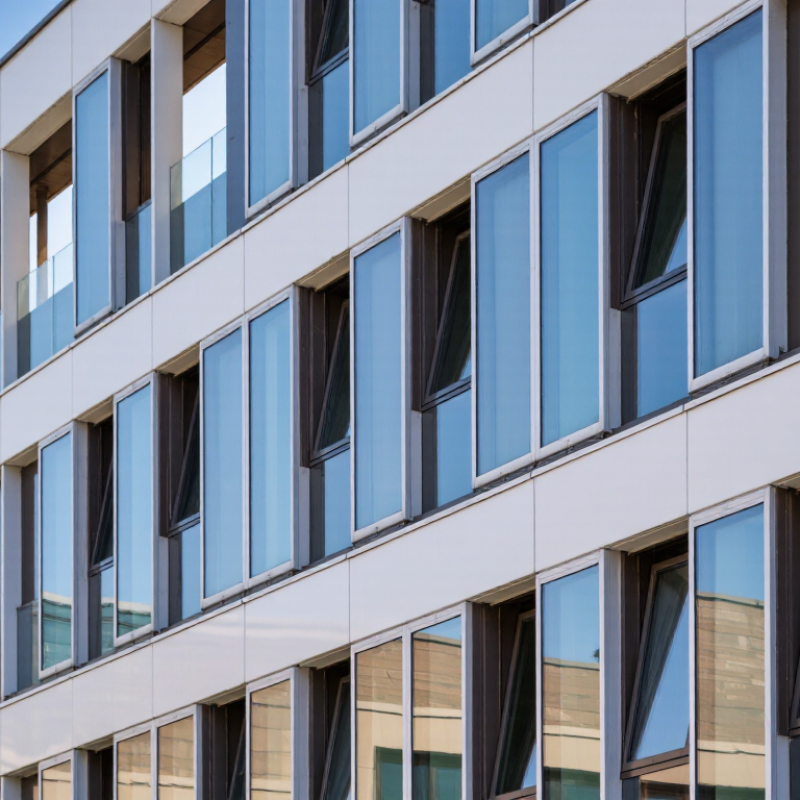
An aluminium sliding window has one or more sashes that glide horizontally along tracks within a fixed frame. Instead of swinging inward or outward, the panels overlap as they open. This design saves room near furniture, walkways, and counters. It also gives users a broad, clear view when the opening is wide.
The frame is typically made from slim aluminium profiles, with rollers, tracks, handles, seals, and glass working as a system. Aluminium is strong for its weight, so it can support relatively large panes without bulky frames. Thermal breaks and suitable glazing help limit heat transfer, while well-fitted seals reduce drafts and rain entry. Details matter. A poor track can collect grit, and even a sturdy frame may slide roughly if installation is inaccurate. The trade-off is real: performance depends on the whole assembly, not the metal alone.
These windows suit homes, apartments, offices, and commercial spaces, especially where a projecting sash would obstruct a narrow balcony or corridor. In kitchens, they can open above a sink without hitting the tap. For bedrooms or street-facing rooms, buyers should consider ventilation, glazing, security hardware, and sound reduction together. A large glass area looks appealing, but it can also increase solar heat and glare. Choosing the right configuration takes a little more thought.
Identifying the top aluminium sliding window manufacturers starts with verifiable evidence, not polished marketing claims. A credible comparison checks product catalogues, technical data sheets, factory capabilities, and documented quality procedures. It also looks for clear information about frame profiles, glazing options, drainage design, and hardware. Details matter. A thick-looking frame alone does not prove strength or long-term performance.
Manufacturers can then be compared against consistent criteria: stated thermal and acoustic performance, resistance to weather, available sizes, customization, and production capacity. Where possible, compare test results using the same standards and product configurations. A rating for one glass and frame combination may not describe another. This is easy to overlook. Independent certifications and traceable test documents add confidence, while unsupported figures deserve caution.
Global reach also needs context. Export experience, delivery timelines, spare-parts access, and technical support can affect a project as much as the window itself. Regional climate and building requirements matter, too, so a product suited to a mild coastal site may not fit a colder or windier location. A useful top-ten list should explain its sources, scoring method, and any missing data. No ranking is perfectly neutral; availability of public information can favor larger, more visible manufacturers. That limitation should be stated plainly.
A worldwide comparison of aluminium sliding window manufacturers should look beyond production volume and polished catalogues. Strong candidates typically demonstrate consistent frame tolerances, reliable drainage design, and smooth roller movement under repeated use. Ask whether their systems have been tested for air leakage, water penetration, and wind resistance, and request reports that match the exact product configuration. A test result for one frame size may not represent a larger installation.
The top ten should be assessed across different markets, because climate and building practices vary. Coastal projects need durable finishes and corrosion-aware hardware; colder regions may require thermal breaks and carefully designed seals. Check material specifications, replacement-part access, installation guidance, and warranty terms. Small details matter: a sash should glide without scraping, and weep holes should remain clear after fitting. Not glamorous, but useful.
Rankings also depend on evidence quality. Manufacturer claims are not equal to independently verified test data, and local service can matter as much as factory capacity. A supplier with limited regional support may be a poor choice despite impressive specifications. There is no perfect list; compare documented performance against the actual project, then inspect a full-size sample before deciding.
Global market overview by manufacturing region. This is not a verified company ranking; applicable standards and product specifications vary by project and jurisdiction.
| No. | Manufacturing Market | Common Sliding-Window Offerings | Relevant Standard or Framework | Buyer Check |
|---|---|---|---|---|
| 1 | China | Residential and commercial aluminium sliding windows, including thermally improved systems. | GB/T 8478-2020 covers aluminium alloy windows and doors. | Confirm test reports, glazing configuration, and specified air, water, and structural performance. |
| 2 | India | Made-to-measure sliding windows for residential and commercial projects. | Applicable BIS requirements and project specifications should be confirmed for the intended use. | Check local code compliance, drainage design, corrosion protection, and installation scope. |
| 3 | Germany | Engineered window systems for residential and commercial buildings, often specified with insulated glazing. | EN 14351-1 is the European product standard for windows and external pedestrian doorsets. | Review declared performance, thermal values, and the required conformity documentation. |
| 4 | Italy | Sliding and lift-and-slide systems used in residential and larger glazed openings. | EN 14351-1 applies to windows and external pedestrian doorsets within its scope. | Check sash dimensions, hardware load limits, glazing weight, and installation details. |
| 5 | United Kingdom | Domestic and commercial sliding windows, specified to suit project size and exposure. | Applicable UK building regulations and product conformity requirements depend on the project. | Verify thermal performance, safety-glazing requirements, and current regulatory documentation. |
| 6 | United States | Residential and commercial products with performance options for different climate zones. | AAMA/WDMA/CSA 101/I.S.2/A440 (NAFS) is a North American fenestration performance standard; NFRC ratings support energy-performance comparisons. | Ask for the tested product class and applicable local code approval. |
| 7 | Canada | Sliding windows for residential and commercial projects, with performance selected for local climate and exposure. | NAFS is used in North America; applicable Canadian building-code requirements vary by jurisdiction. | Confirm the required Canadian performance grade and energy requirements for the project location. |
| 8 | Japan | Aluminium sliding windows for housing and commercial buildings, including configurations designed for local conditions. | JIS A 4706 specifies requirements for windows. | Check the declared grade, glazing compatibility, and performance requirements for the building location. |
| 9 | Australia | Residential and commercial aluminium windows, with product selection influenced by wind and weather exposure. | AS 2047 covers windows and external glazed doors in buildings. | Confirm compliance evidence and the required wind-pressure rating for the site. |
| 10 | United Arab Emirates | Sliding window systems used in residential, commercial, and high-rise projects. | Requirements depend on the emirate, local authority, project specification, and applicable building code. | Assess solar heat gain, air and water performance, wind loads, and coastal corrosion protection. |
Note: Standards and regulations may be revised. Confirm the current edition and local applicability before specifying or purchasing.
Leading aluminium sliding-window manufacturers compete through more than frame appearance. Their ranges often include two- and three-track systems, slim sightlines, thermal-break frames, and large glazed panels. Rollers, locks, drainage paths, and replaceable seals matter in daily use. A smooth sample-panel glide is useful, but it cannot prove long-term performance. Ask for test data on air leakage, water penetration, wind resistance, and operating cycles. Details matter.
Regional reach shapes product design. Manufacturers serving humid coastal markets may prioritize corrosion-resistant finishes and drainage, while colder regions often demand stronger thermal performance. In dense urban projects, narrow frames can preserve daylight, yet heavy glass requires carefully rated hardware and installation. Some suppliers offer local fabrication or technical support; others rely on distributors, so lead times and spare parts can vary. This is easy to overlook. “Top ten” comparisons should weigh verified specifications, climate suitability, service access, and installation guidance—not just catalog size. Published values may use different test methods, so direct comparisons need care.
Evaluating aluminium sliding window manufacturers starts with the project, not a ranking. Define the required opening sizes, finish, glazing, and exposure to wind or coastal air. For homes, smooth movement, secure locks, and easy cleaning often matter most. Commercial projects may need larger panels, heavier use, and consistent supply across multiple openings. Small details matter.
Ask shortlisted manufacturers for technical drawings, material specifications, and test reports that match the proposed window system. Check how frame dimensions, glass thickness, drainage, and hardware affect performance. Compare thermal and acoustic data only when the test conditions are clear. A polished catalogue is not proof. Neither is a low price. One awkward gap in many evaluations is installation: a well-made frame can still perform poorly if the opening is measured or sealed incorrectly.
Request a sample or visit a completed project, then slide the panel repeatedly and inspect the rollers, seals, and corner joints. Confirm production capacity, packaging methods, lead times, and how damaged parts are handled. Ask who provides installation guidance and after-sales support. No checklist is perfect. A supplier may satisfy every document requirement yet communicate slowly, so test responsiveness before committing.
Rather than presenting an unsupported manufacturer ranking, this chart shows a published residential window benchmark buyers can use when comparing product specifications.
How to use it: Lower U-factor values indicate less heat transfer through the window. Ask manufacturers for certified whole-window performance data and compare it with the applicable requirements for your project. These are U.S. residential criteria, not a global ranking or commercial-project standard.
Source: ENERGY STAR residential window criteria. Values shown are maximum U-factor limits in Btu/(h·ft²·°F), Version 7.0.
Check product catalogues, technical sheets, factory capabilities, and documented quality procedures. Marketing claims alone are not enough.
Examine frame profiles, glazing options, drainage paths, rollers, locks, and replaceable seals. Small parts matter.
Compare test results using the same standards and product configurations. Different glass or frame combinations can produce different results.
Ask for data on air leakage, water penetration, wind resistance, and operating cycles. A smooth sample glide proves little about long-term use.
Humid coastal sites may need corrosion-resistant finishes and effective drainage. Colder regions often require stronger thermal performance.
Heavy glass needs suitably rated hardware and careful installation. Narrow frames can preserve daylight, but they are not the whole story.
Export experience, lead times, spare parts, and technical support can affect project schedules. Distributor-based service may take longer.
No ranking is perfectly neutral. Public information may favor larger, more visible suppliers, and published test methods can differ. I may be too cautious, but check the sources.
This article explains what an Aluminium Sliding Window is, how its frame, tracks, panels, and glazing work together, and why this design is used in homes and commercial buildings. It considers practical benefits such as smooth operation, natural light, views, and efficient use of space, alongside factors that can affect performance, including materials, hardware, weather resistance, and installation quality.
The article also outlines a transparent way to identify and compare manufacturers worldwide, then presents a top-ten overview based on relevant considerations such as product range, manufacturing capabilities, technical features, and regional availability. Rather than focusing on brand claims, it describes how technologies and product options may vary across markets. Readers will find guidance on evaluating potential suppliers for residential or commercial projects by comparing design needs, specifications, durability, service, and overall suitability.

Fortis Window