In 2026, the best aluminum doors with windows will balance daylight, security, weather resistance, and dependable operation. An Aluminum Door With Window can brighten a dim hallway or frame a garden view, but its large glass area also deserves careful evaluation. Look closely at the frame’s thermal break, glazing specification, hardware, and weather seals. Small details matter.
The U.S. Department of Energy’s Energy Saver guidance estimates that windows account for about 25–30% of residential heating and cooling energy use. That figure is not a performance prediction for every glazed door; climate, installation, orientation, and product design all change the result. The National Fenestration Rating Council (NFRC) provides comparable ratings, including U-factor and solar heat gain coefficient, to help buyers assess certified products. Numbers help, but they do not replace checking the installation details.
This guide compares leading options by material quality, glass performance, configuration, security features, warranty, and overall value. It also considers everyday use: whether the door slides smoothly, seals firmly after rain, and suits the home’s opening. A polished specification sheet can still hide a weak point. No single model fits every climate or budget, and rankings should be treated as a starting point, not a promise. Before choosing, confirm current product ratings and local availability directly with the manufacturer or dealer.
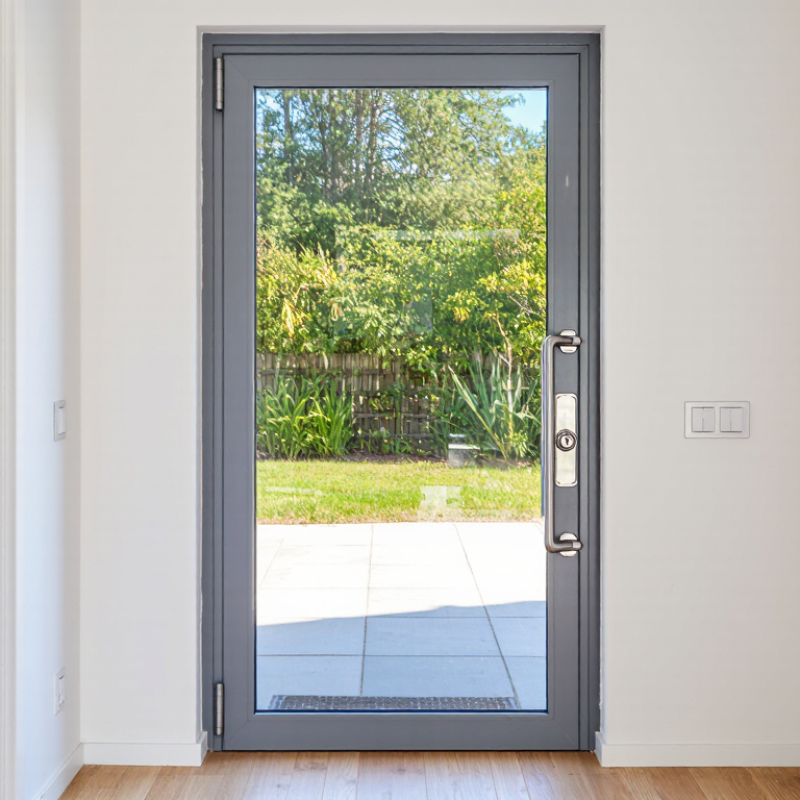
Design starts with the frame, glass, and climate working as one system. Aluminum extrusions provide slim sightlines, but metal conducts heat readily. A thermal break separates interior and exterior frame sections, reducing heat transfer. Glazing choices matter too: low-emissivity coatings and insulated glass can help control heat flow while preserving daylight.
Small details matter. Drainage channels and weep openings must let water escape, while continuous gaskets limit drafts around the sash.
The U.S. Department of Energy reports that heat gain and loss through windows account for about 25–30% of residential heating and cooling energy use. This figure is not specific to doors, but it shows why glazed openings deserve careful specification.
The National Fenestration Rating Council rates whole products for factors including U-factor and solar heat gain coefficient; compare certified ratings for the actual door configuration, not glass alone.
During fabrication, corners should be joined squarely, seals fitted without gaps, and hardware aligned so the panel closes evenly. A practical inspection checks these points, then verifies operation and water management.
Even a precise drawing can miss a site condition. That part deserves a second look.
For aluminum doors with windows in 2026, frame design and glazing matter more than a broad “best” label. Aluminum is strong and slim, so it can hold wide glass panels without bulky sightlines. Yet metal transfers heat readily. A thermal break—a nonconductive strip between interior and exterior frame sections—helps limit that transfer. Look for continuous seals, a well-drained sill, and corner joints that feel rigid, not loose. Small details matter.
Glass choice changes comfort, safety, and upkeep. Double glazing with a low-emissivity coating can reduce heat loss and summer solar gain. Gas-filled cavities may improve insulation when their seals remain intact. In colder or noisier settings, triple glazing can help, but it adds weight and cost and may require stronger hinges. Tempered glass resists impact better than ordinary annealed glass, while laminated glass holds fragments together if cracked. Neither is universally superior.
Match the assembly to its exposure. A west-facing entry with hot afternoon sun may benefit from solar-control glass, while a shaded porch may need less tint. Check the stated whole-door U-factor, not just the center-of-glass figure, and compare air-leakage ratings where available. Installation can undo good specifications: uneven shimming or compressed weatherstripping may cause drafts and sticky latches. I would also inspect sample corners and operate the door before ordering; online figures rarely show how a heavy panel feels day to day.
How glazing choice affects insulation performance
Lower U-factor means less heat transfer. These approximate center-of-glass benchmarks are not whole-door ratings; the aluminum frame, thermal breaks, glass edges, seals, and overall design also affect a door’s performance. Actual values vary by product.
Reference: Efficient Windows Collaborative technical guidance on typical glazing performance.
Comparing aluminum doors with windows in 2026 starts with the opening, not the finish. Sliding doors suit patios where a swinging panel could block furniture, while broad glass panes keep views open. They need enough wall space for panels to stack. Check track drainage and rollers; grit can make daily operation frustrating. Small details matter.
Hinged doors can provide a snug closure when installed correctly, making them practical for exposed entrances. Look for a thermally broken frame and glazing suited to your climate, rather than judging performance by frame thickness alone. Low-emissivity glass may help manage heat gain, but the right specification depends on the room’s orientation. Bifold systems create a wide opening, yet their multiple panels and hinges need careful adjustment. Trade-offs remain.
Compare clear opening width, threshold height, lock points, and published air and water ratings using consistent test standards. For a sun-facing room, ask how the glass controls glare and heat. For a windy site, review tested water resistance. Also clarify who handles installation and future adjustments. A specification sheet cannot show every on-site issue; even a slim frame can disappoint if the glazing, seals, or installation are poorly matched.
Aluminum doors with windows can bring daylight into an entry, but security and comfort depend on more than the frame. Look for a thermally broken frame, which helps reduce heat transfer between indoor and outdoor aluminum surfaces. Insulated glazing with a low-emissivity coating can also limit heat loss and unwanted solar gain. Check the door’s published energy data, including its U-factor and solar heat gain coefficient, and compare values for your climate.
Tips: Ask whether the glass is laminated or tempered, and check that the lock engages securely at multiple points. Run a hand near the closed door on a windy day; drafts may signal worn seals or poor installation. Small details matter.
For security, consider reinforced lock areas, sturdy hinges, and glazing that is difficult to remove from outside. A larger window can look inviting, but it may also create a more exposed entry; thoughtful placement and suitable glass help balance light with privacy. I would not rely on a strong product rating alone. The threshold, weatherstripping, and installation must also be sound. Even a well-made door can leak air if its frame is poorly fitted, and that is easy to overlook during selection.
A well-chosen aluminum door with windows should fit the room, not just the opening. Start with how people move through the space. A hinged door needs room to swing, while a sliding model can preserve floor space near a patio. Measure the opening in several places; older walls are rarely perfectly square. Check the frame depth and threshold height before ordering. Small mismatches can complicate installation.
Think about light, privacy, and comfort together. Clear glass brightens a dim hallway, but may expose a living room to street views. Frosted or patterned glass can soften sightlines without blocking daylight. Light matters. For sunny exposures, ask about solar-control glazing and a thermally broken aluminum frame, which can help limit heat transfer. Consider insulated glass for temperature control and noise reduction. Safety glazing may be appropriate near floors, doors, or busy walkways. Details vary by location, so confirm the specification with a qualified installer.
A slim frame looks elegant, though larger glass panels may need careful support and cleaning access. I would not choose glass by appearance alone. Compare the glazing’s stated performance, the frame finish, hardware, and warranty terms. Dark frames can make bright rooms feel crisp, but they may show dust more readily. That trade-off is easy to overlook.
A thermally broken frame reduces heat transfer. Insulated, low-emissivity glass can limit heat loss and unwanted solar gain.
Check the published U-factor and solar heat gain coefficient. Compare them with your climate and the door’s intended exposure.
On a windy day, feel around the closed door’s edges. Drafts may point to worn seals or poor installation. Small details matter.
Consider reinforced lock areas, sturdy hinges, and locks that engage at multiple points. Ask whether the glass is laminated or tempered.
Clear glass can brighten a dim hallway, but it may expose indoor spaces. Frosted or patterned glass softens views while letting daylight through.
A hinged door needs room to swing. A sliding model can save floor space near a patio.
Measure the opening in several places because older walls may not be square. Check frame depth and threshold height too.
Larger panels can bring in more light, but may need careful support and cleaning access. I might be overlooking maintenance when admiring a slim frame.
Compare glazing performance, frame finish, hardware, and warranty terms. Dark frames can look crisp, yet show dust more readily. Trade-offs happen.
Choosing the right Aluminum Door With Window in 2026 means balancing appearance, durability, comfort, and security. These doors are typically built with strong, lightweight frames and carefully fitted glass, with design choices that affect how much light enters, how well the door insulates, and how it performs over time. Frame finishes, glass thickness, and options such as insulated or laminated glazing can all shape its suitability for different climates and spaces.
When comparing styles, consider how each door opens, how much room it needs, and how its proportions work with the surrounding architecture. Look for reliable locking hardware, sturdy construction, weather seals, and glazing that supports energy efficiency. The best choice depends on your priorities, whether you want expansive views, improved thermal comfort, or a practical entryway. Measure the opening, assess exposure to weather, and compare maintenance needs before selecting a design that fits your home and everyday use.
Fortis Window