Choosing an Aluminium Door With Window in 2026 requires more than comparing frame colors or online prices. The right system must balance daylight, insulation, ventilation, security, durability, and installation quality. A slim frame may look elegant, yet poor glass selection can create cold edges, glare, or uncomfortable summer heat.
The 2024 Global Status Report for Buildings and Construction reports that buildings consume about 32% of global energy and produce roughly 34% of global carbon emissions. The U.S. Department of Energy also estimates that windows can cause 25% to 30% of residential heating and cooling energy use. These figures make glazing performance impossible to ignore. Look for tested U-values, solar heat gain coefficient, air leakage results, and water resistance. Thermal breaks matter, especially in cold or highly exposed climates. Low-e double glazing may suit many homes, while triple glazing can improve comfort in severe climates. However, more glass is not always better.
Building-science expert Joseph Lstiburek has said, “A window is a hole in the wall.” That simple statement deserves attention. Every opening needs careful flashing, drainage, sealing, and anchoring. Even an excellent Aluminium Door With Window can fail when installed carelessly. I have seen attractive systems develop condensation because the frame, glass, and surrounding wall were treated separately. That mistake is easy to repeat. This guide examines specifications, climate suitability, frame design, glass options, security hardware, certifications, maintenance, and whole-life value before recommending a purchase.
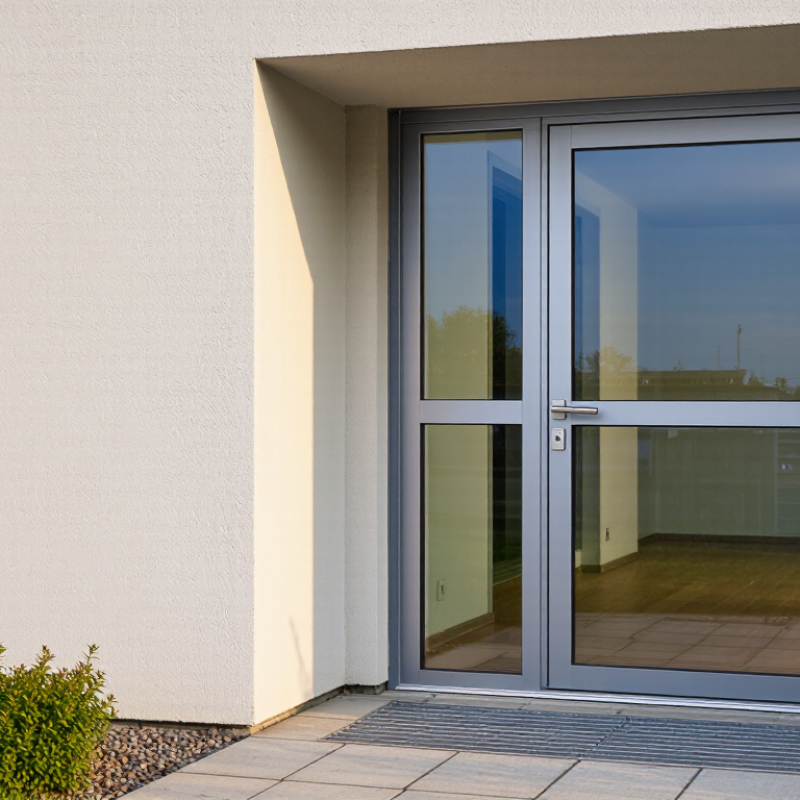
Measure the space before choosing a style.
Record the opening width, height, wall thickness, and available clearance. A hinged door needs a clear swing area. A sliding door suits narrow rooms and busy walkways. Folding panels can open wider, but they need accurate alignment and more floor space. Do not trust a quick tape measure alone. I once overlooked a skirting board, and the door could not open fully.
Define the door’s purpose as well.
A kitchen entrance may need easy cleaning and frequent access. A bedroom door may need stronger privacy and sound control. For a patio, larger glass panels can improve daylight and outdoor views.
However, bigger glazing also adds weight and may increase heat gain.
Consider double glazing, low-emissivity glass, weather seals, and a thermally broken aluminium frame. Ask for documented performance data, not vague promises.
Your door configuration should match daily movement.
Choose the opening direction carefully, especially near furniture or steps. Check whether the threshold is level, weather-resistant, and accessible for everyone. Multi-point locks can improve security, but the frame and installation must work together.
A poor installation can cause drafts, water entry, or difficult operation. Review drainage paths, hinge quality, handle position, and maintenance access with the installer. The cheapest layout is not always the most practical.
Double glazing suits many homes. Triple glazing helps in colder or noisier areas. Low-emissivity glass reduces heat loss without making rooms feel dark. Laminated glass can hold together after impact. Tempered glass breaks into smaller pieces. Privacy glass suits bathrooms and street-facing rooms. Clear glass brings brightness but reduces privacy.
Match the opening style with furniture, walkways, and daily traffic. Sliding panels save space beside narrow paths. Casement doors usually provide tighter seals and strong ventilation. Tilt-and-turn designs allow controlled airflow during light rain. Check the swing direction carefully. A handle hitting a wall becomes annoying quickly.
Choose a strong aluminium frame, reinforced hinges, and multipoint locking. Impact-resistant glass can add protection near entrances. A keyed lock alone is not enough. Ask for tested performance data and qualified installation. Inspect small frame gaps. They matter.
Measure the width and height at several points. Older openings are rarely perfectly square. Record the sill level and available frame depth. Leave space for adjustment and drainage. Measure handle height and outside clearance too. Measure twice. I once measured only once.
Look for a thermally broken frame and low-emissivity glazing. Ask for documented U-values, air-leakage results, and solar-control data. Lower U-values usually indicate better insulation, but the whole assembly matters. Consider climate and window direction. A west-facing door may still need external shading.
It can reduce wall space and increase heat gain. Bright glass may also expose more interior space. Check furniture placement, privacy needs, and sunlight throughout the day. A beautiful panel can feel inconvenient later. I sometimes underestimate afternoon heat.
The installer should keep the frame level, plumb, square, and properly sealed. Correct flashing and sill drainage help prevent water entering behind the frame. Confirm local building requirements and request a written warranty. Installation changes performance significantly.
Clean sliding tracks, inspect gaskets, and lubricate moving hardware. Wash the frame with mild soapy water. Avoid harsh chemicals. Check corners and seals after severe weather. Small leaks become expensive when ignored.
Choosing an Aluminium Door With Window in 2026 begins with understanding your space, purpose, and preferred configuration. Consider whether the door is intended for an entrance, patio, balcony, or interior area, then select a suitable combination of panels, windows, and opening direction. Pay attention to aluminium grades, frame profiles, insulation, and thermal performance, as these factors influence durability, comfort, and long-term energy use.
The glass should match your needs for daylight, privacy, sound control, and safety, while features such as multi-point locks, reinforced frames, and secure hardware can improve protection. Before deciding, confirm the required dimensions, installation conditions, maintenance effort, and expected energy efficiency. Finally, create a realistic budget that includes delivery and fitting, and verify that the selected product meets applicable building, safety, and performance standards. A careful comparison will help you choose a practical, attractive, and reliable door solution.

 Fortis Window