10 Tips for Buying Aluminium Sliding Doors

Time:2026-10-14 Author:Charlotte
0%

Buying Aluminium Sliding Doors can transform a dark room into a bright, flexible living space. However, attractive photographs rarely reveal the full buying decision. A slim frame may look elegant, yet poor rollers can make daily opening noisy and frustrating. The right choice depends on performance, installation quality, and long-term maintenance.

This guide shares ten practical tips based on common industry checks and real-world homeowner concerns. We will examine frame thickness, thermal breaks, glass performance, drainage, locks, tracks, and warranty terms. Ask about the door’s U-value and tested weather resistance, rather than trusting vague claims. Feel the rollers move before ordering. They should glide smoothly, without dragging or sudden stops. Check whether replacement parts remain available after installation.

Small details matter. A low threshold can improve access, but it may require careful drainage planning. Large glass panels invite daylight, but they also increase weight and heat exposure. Experienced installers measure the opening more than once, because a few millimetres can affect alignment. Do not assume every aluminium system performs equally. Some cheaper options appear convincing at first. Their seals may deteriorate sooner than expected.

There is no perfect door for every property. Budget, climate, room orientation, and daily use all change the answer. Even this checklist has limits; product testing and professional advice still matter. Use these tips to compare suppliers calmly, question impressive promises, and choose Aluminium Sliding Doors that remain reliable beyond the first showroom visit.
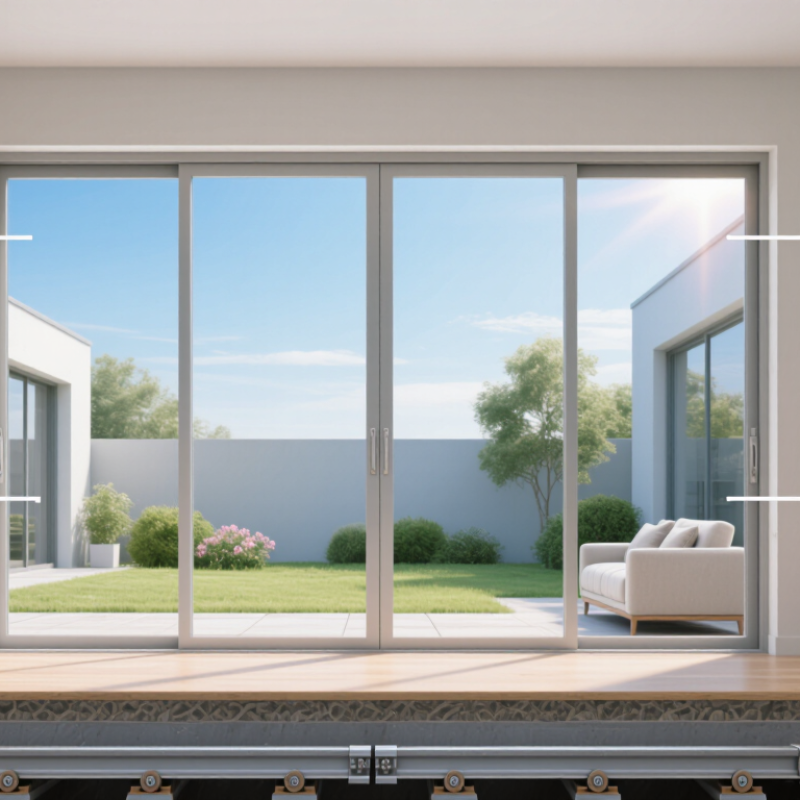
10 Tips for Buying Aluminium Sliding Doors

Define Your Doorway Requirements and Available Space

Before choosing aluminium sliding doors, measure the doorway and the room around it. Record the finished opening width, height, wall thickness, and floor level. Measure twice. A small error can create expensive fitting problems.

Decide how much of the wall should open. A two-panel system may suit a narrow patio, while wider spaces can use multiple sliding panels. Check where each panel will stack. The parked panels still occupy wall space and may block a light switch, curtain, or radiator.

Furniture placement matters too. Leave a clear route between the living area and outside space. I have seen attractive doors become awkward because a sofa sits directly beside the opening.

Inspect the threshold carefully. A low threshold improves access, but it needs effective drainage and accurate installation. Ask how rainwater will move away from the frame, especially on exposed elevations. The wall must also support the door’s weight without movement. Confirm the required lintel, fixing points, glazing specification, and thermal performance with a qualified installer. Local construction requirements may affect ventilation, safety glazing, and escape routes. Do not rely only on brochure dimensions. Site conditions often differ from drawings, and that difference is where planning mistakes begin.

Compare Aluminium Grades, Profiles, and Structural Strength

When buying aluminium sliding doors, compare the metal before comparing finishes.

Aluminium “grade” usually means alloy and temper, not a simple quality score. 6063 alloy is common for extruded frames because it forms clean profiles and accepts finishing well. 6061 is stronger, but may be less convenient for detailed extrusion. Ask for the alloy designation and temper in writing. Vague terms such as premium aluminium prove little. A sample corner helps.

Profile design often matters more than the alloy number. Inspect the section cut, not only the showroom surface. Deeper profiles can resist bending across wide openings. Internal ribs can improve stiffness. Check wall thickness, corner joints, screw engagement, and roller size. Thin walls may feel light, but they can flex under wind loads. That movement can affect seals and locking. Thermal-break profiles use an insulating strip between inner and outer aluminium. They reduce heat transfer and condensation. They cost more. Sometimes, they are worth it.

Structural strength must match the opening, glass weight, wind exposure, and installation method. Request tested load data, maximum sash dimensions, and local compliance evidence. A competent installer should verify the lintel, sill drainage, anchors, and substrate before ordering. On site, a rigid-looking frame can still twist if the opening is uneven. I have seen measurements taken from plaster instead of the structural opening. That mistake creates expensive adjustments. Do not judge strength by a smooth track alone. Ask how the system performs after repeated cycles, not just when new. Poor installation can defeat excellent aluminium.

Evaluate Glass Options, Thermal Performance, and Weather Resistance

10 Tips for Buying Aluminium Sliding Doors

Glass choice controls comfort more than the aluminium frame alone. The U.S. Department of Energy reports that windows can account for 25–30% of residential heating and cooling energy use. Choose double glazing for ordinary climates, or triple glazing where winters are severe. Low-emissivity coatings reduce radiant heat transfer. Compare the centre-of-glass U-factor, whole-door U-factor, and solar heat-gain coefficient. A lower U-factor usually means better insulation. SHGC needs local judgment. Large south-facing glass may overheat a room.

Check the spacer, gas fill, and edge seal. Argon-filled units can improve insulation, but poor sealing eventually weakens performance. Ask for an NFRC-style energy label or equivalent verified data. Do not rely on phrases like “energy efficient.” They are too vague. I once inspected a showroom door with impressive glass, but its uninsulated threshold felt cold underfoot. The frame and sill matter. Choose thermally broken aluminium, insulated tracks, and a continuous drainage path.

Weather resistance deserves practical testing. Request air-leakage, water-penetration, and structural results based on recognised methods such as ASTM E283, E331, and E330. FGIA testing guidance can help compare tested assemblies. Check the drainage holes yourself. They should remain open, not blocked by debris or sealant. For coastal homes, specify corrosion-resistant finishes and inspect hardware quality. Wind exposure changes everything. A wide opening may need stronger rollers and reinforced meeting stiles. Consider laminated glass for noise and impact resistance, though it may cost more. Get installation details in writing; excellent glass cannot rescue a badly levelled frame.

Check Sliding Mechanisms, Security Features, and Maintenance Needs

When buying aluminium sliding doors, test the movement in person. Push the panel slowly and listen for grinding, rattling, or resistance. A quality system should glide without forcing your shoulder. Check whether the rollers are adjustable and whether the track can be cleared easily. Small debris becomes a serious problem. I once overlooked a narrow lower track, and cleaning it was awkward after rain. Ask for the recommended cleaning method and replacement process.

Security deserves more than a strong-looking frame. Look for a robust lock, an internal latch, and anti-lift protection. Check how the closed panels meet, because loose overlaps can create weak points. Laminated safety glass may remain attached after impact, while tempered glass breaks into smaller pieces. Confirm the glass specification with the supplier, not a sales sketch. A qualified installer should explain fixing points, wall condition, and emergency release arrangements. Details matter.

Maintenance needs should fit your routine. Vacuum the track, wipe drainage holes, and inspect seals every few months. Use approved lubricant on rollers, because excess oil can trap grit. Check for water marks, stiff handles, or a panel that drops slightly. These signs may indicate adjustment, not replacement. I would also request written care instructions and service coverage. Low maintenance is not maintenance-free. Aluminium resists corrosion, but hardware and seals still age.

Review Installation Standards, Warranties, and Total Purchase Costs

Buying aluminium sliding doors is not only a frame decision.

Installation standards can protect performance. ASTM E2112 provides guidance for installing exterior windows, doors, and skylights. Ask whether the installer follows it, including sill support, flashing, drainage, and sealant joints.

Check the label, not just the sales pitch. The National Fenestration Rating Council evaluates U-factor, solar heat gain coefficient, and air leakage. These figures help compare real thermal performance.

The U.S. Department of Energy reports that windows can represent 25–30% of residential heating and cooling energy use.

Large glazed doors may influence comfort significantly. Still, ratings do not fix poor installation.

Read the warranty line by line. Confirm coverage for powder coating, rollers, locks, glass seal failure, labor, and water damage. Some warranties exclude coastal exposure or require registered maintenance. That detail matters.

Calculate the total purchase cost, including structural adjustments, removal, disposal, trim, insect screens, and future hardware replacement. A cheaper quote may omit flashing or floor preparation.

I have seen narrow budgets create expensive callbacks.

My own caution is simple: request an itemized quote, photograph the opening before work, and keep every test report. A perfect-looking door can still leak after the first heavy storm.

FAQS

What should I measure before buying aluminium sliding doors?

Measure the finished opening width, height, wall thickness, and floor level. Measure twice. Small errors can cause costly fitting problems.

How many sliding panels does my doorway need?

Narrow patios may suit two panels. Wider openings can use several panels. Check where parked panels stack. They might cover a switch, radiator, or curtain.

How can furniture affect sliding door planning?

Leave a clear route between the room and outside area. A sofa beside the opening can make an attractive door awkward. I have made that mistake before.

What should I check about the threshold?

A low threshold improves access, but it needs accurate installation and drainage. Confirm how rainwater leaves the frame. The wall must also support the door securely.

Which glass type should I choose?

Double glazing suits ordinary climates. Triple glazing may help in severe winters. Low-emissivity coatings reduce heat transfer. Large sunny glass can still overheat a room.

How do I compare thermal performance?

Check the centre-glass U-factor and whole-door U-factor. Lower values usually indicate better insulation. Also review solar heat gain. “Energy efficient” alone is too vague.

What frame and track details matter most?

Choose thermally broken aluminium, insulated tracks, and a continuous drainage path. Inspect drainage holes. They must remain open and free of sealant or debris.

How can I judge weather resistance?

Request tested results for air leakage, water penetration, and structural performance. Wind exposure matters. Wide openings may need stronger rollers and reinforced meeting stiles.

What should a professional installation include?

Ask for proper sill support, flashing, drainage, and sealed joints. A level frame matters greatly. Excellent glass cannot rescue poor installation.

What costs are often missing from a quote?

Include structural changes, removal, disposal, trim, screens, floor preparation, and future hardware replacement. Request an itemized quote. Keep photos and test reports. My caution: cheap quotes can become expensive later.

Conclusion

Choosing the right Aluminium Sliding Doors begins with understanding your doorway dimensions, available space, ventilation needs, and preferred opening style. Compare frame grades, profile designs, and structural strength to ensure the doors are durable and suitable for everyday use. Glass selection is equally important: consider insulation, natural light, noise reduction, safety, and resistance to changing weather conditions. A well-designed system should balance appearance, comfort, and long-term performance.

Before purchasing, examine the sliding mechanism for smooth operation and reliable alignment. Look for practical security features, strong locking points, and surfaces that are easy to clean and maintain. Professional installation should follow appropriate measurement and fitting standards to reduce drafts, leaks, and operating problems. Finally, review warranty coverage, delivery and installation terms, expected maintenance, and the total purchase cost rather than focusing only on the initial price. Careful comparison will help you select doors that provide lasting value, energy efficiency, security, and a clean modern appearance.

Charlotte

Charlotte

Charlotte is a seasoned marketing professional with a deep understanding of the company's portfolio and a passion for elevating its presence in the market. With a keen eye for detail and a commitment to excellence, she ensures that our professional blog is regularly updated with insightful articles......