Engineered specifically for structural integrity, high thermal retention, and acoustic comfort across Tashkent, Samarkand, and regional commercial hubs.
Ultra-low U-value architectural casement window built with PA66GF25 polyamide thermal barriers, ideal for winter insulation down to -20°C in Northern Uzbekistan.
Designed for luxury commercial spaces and hotels, featuring ultra-narrow visible sightlines (38mm frame) while offering superior structural wind pressure resistance.
Integrated automated motor drive with hidden actuators. Fully compatible with Building Management Systems (BMS) and intelligent home automation.
Dual-action European mechanism providing top ventilation mode and full opening mode. Features multi-point locking mechanisms for maximum security.
Empowering Uzbekistan's urban development with direct factory-grade structural fenestration solutions backed by robust quality controls.
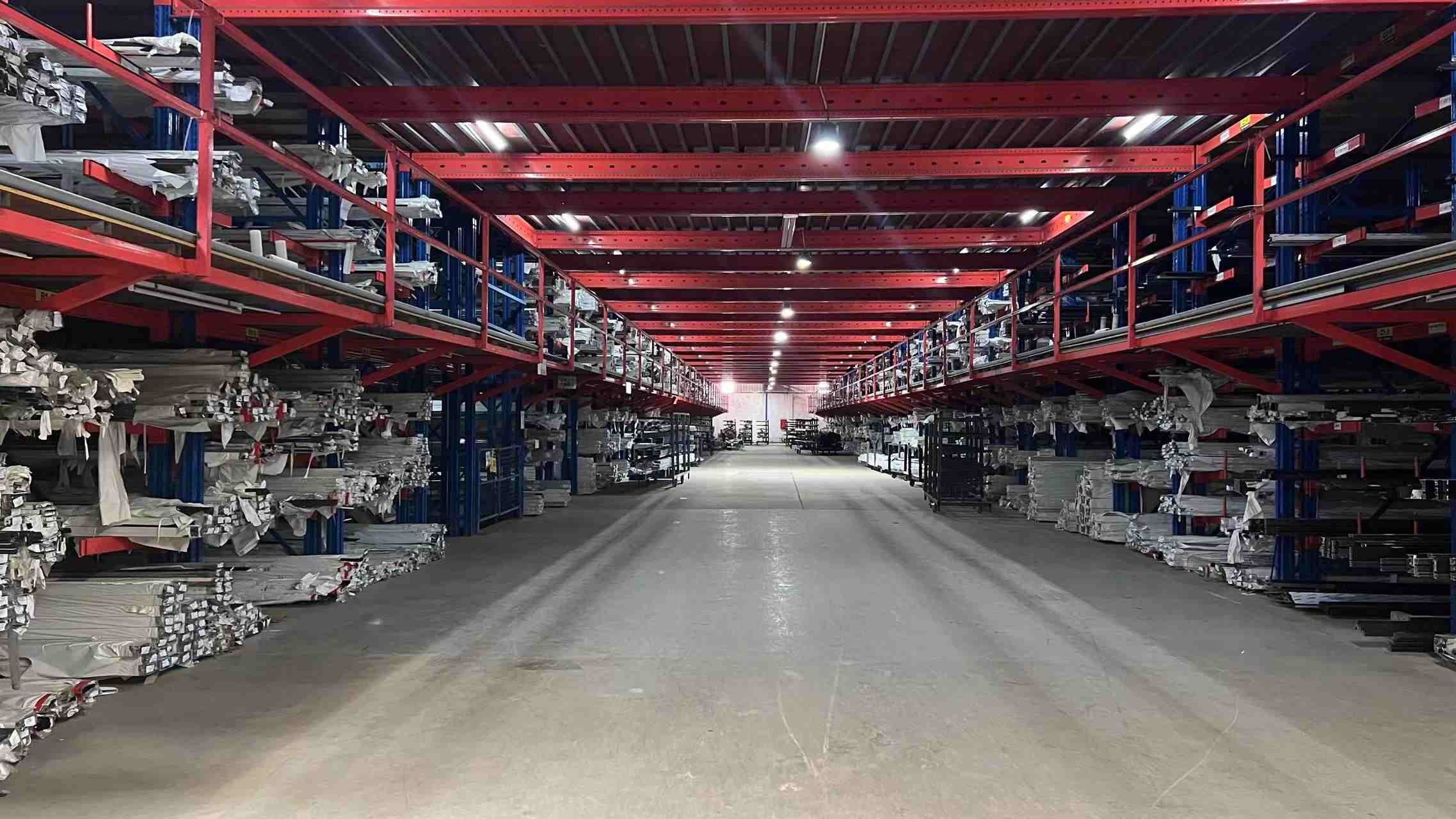
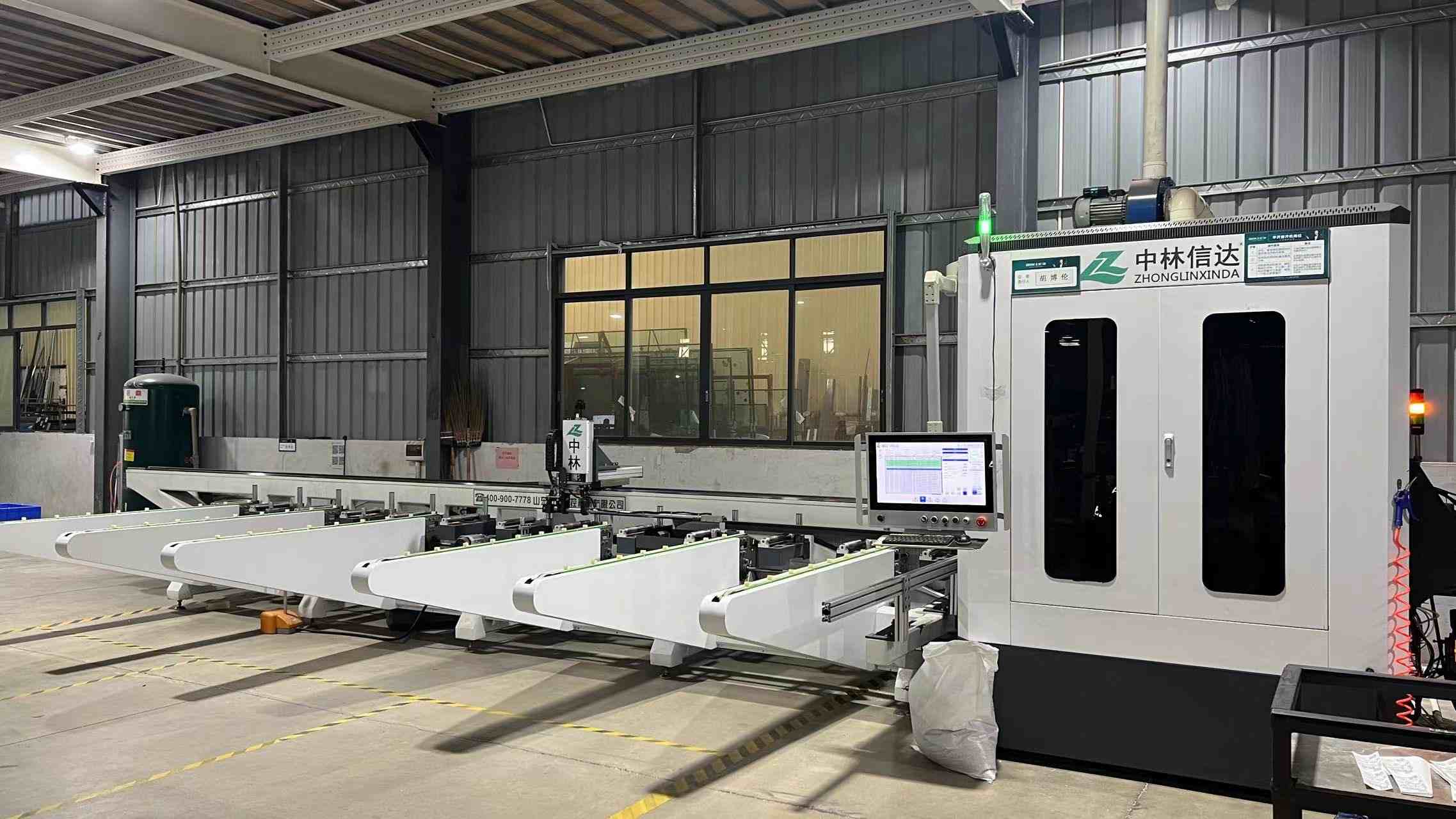
Established in 2014, Wuhan Fortis Building Technology Co., Ltd. spans an expansive production space of 38,000 square meters. Rooted in 12 years of specialized manufacturing experience and 9 years in international export operations, our annual export revenue reaches $34 million. We primarily serve real estate developers, hotel construction companies, and hardware distributors across Europe, North America, and Southeast Asia.
Product reliability is assured by 48 certified QC specialists executing structural stress tests, hardware cycle endurance checks, and salt spray corrosion testing. With a robust network of 950 supply chain suppliers, Fortis provides customized solutions ranging from motorized sliding mechanisms to ultra-narrow frame sightlines. Powered by 60 R&D engineers, the company introduced 75 new energy-efficient window models last year.
Uzbekistan is undergoing a historic urban modernization wave driven by the "New Uzbekistan 2030 Development Strategy." Megaprojects such as Tashkent City, New Tashkent Smart City, and expanded hospitality developments in historic centers like Samarkand, Bukhara, and Khiva require exterior envelope solutions that combine modern aesthetics, structural safety, and high energy efficiency. As cities expand vertically and commercial real estate demands higher operational standards, casement windows have emerged as the gold standard for high-rise commercial towers and residential complexes across the republic.
Unlike traditional sliding windows, casement windows engineered with multi-point perimeter locking hardware and continuous compression seals provide superior air-tightness (Class 4 EN 12207) and water penetration resistance (Class 9A EN 12208). This structural configuration is critical for mitigating Uzbekistan’s severe dust storms (*Garmsil*) and maintaining internal air quality in dense urban zones.
Uzbekistan’s geographic location in the heart of Central Asia subjects modern envelope facades to extreme thermal fluctuations. Summer ambient temperatures in Tashkent and Navoiy can exceed +45°C with direct solar radiation driving surface temperatures on aluminum profiles up to +75°C. Conversely, winter nights can plunge down to -20°C. Standard un-insulated aluminum or low-tier PVC fenestration results in severe thermal bridging, interior condensation, frame warping, and excessive HVAC electricity consumption.
Wuhan Fortis addresses these severe conditions by exporting specialized Thermal Break Aluminum Casement Windows engineered with high-density Technoform PA66GF25 (25% fiberglass reinforced polyamide) thermal barriers. By isolating the outer aluminum extrusion from the interior envelope, our system reduces total window U-values below 0.85 W/m²K when combined with argon-filled triple Low-E glazing units. For summer heat rejection, custom solar-control Low-E coatings selectively block up to 78% of infrared radiation while maintaining high visible light transmittance (VLT > 68%).
Major population centers in Uzbekistan—including Tashkent, Fergana, and Namangan—are situated in high-seismic activity zones ranging from Grade 7 to Grade 9 on the MSK-64 scale. Fenestration systems must accommodate inter-story structural drift without glass breakage, seal failure, or frame displacement.
Our structural engineers design casement window assemblies using heavy-wall 6063-T6 aluminum alloys with profile wall thicknesses exceeding 1.8mm for windows and 2.0mm for high-span balcony casement doors. Corner joints are constructed using pneumatic cast-aluminum corner keys injected with dual-component polyurethane structural adhesive (Henkel / WEISS), achieving tensile joint strength exceeding 12,000 N. This rigid structural frame prevents shear deformation during seismic acceleration events while withstanding positive/negative peak wind loads up to 5,000 Pa (equivalent to Category 4 hurricane winds).
Comparing Wuhan Fortis Uzbekistan-Spec Casement Systems against Standard Market Offerings.
| Performance Metrics | Fortis Uzbekistan Ultra-Thermal Series | Standard Commercial PVC Windows | Standard Non-Thermal Aluminum |
|---|---|---|---|
| Thermal Transmittance (U-Value) | 0.85 - 1.2 W/m²K (Passivhaus Spec) | 1.8 - 2.4 W/m²K | 3.5 - 5.8 W/m²K |
| Acoustic Isolation (STC / Rw) | STC 42 - 48 dB (Triple Seal) | STC 28 - 32 dB | STC 22 - 26 dB |
| Wind Load Resistance | Class 9 (≥ 5.0 kPa Structural Safety) | Class 3 - 4 (1.5 kPa) | Class 5 (2.5 kPa) |
| Air Infiltration Rating | Class 4 (EN 12207 - High Airtight) | Class 2 (Moderate) | Class 1 (Low Seal) |
| Corrosion & UV Endurance | Qualicoat Powder / Fluorocarbon 25Yrs | UV Yellowing in 3-5 Years | Anodized / Basic Paint |
| Seismic Displacement Tolerance | ± 30mm Dynamic Frame Expansion | Rigid / Rigid Joint Crack Risk | Moderate Shear Failure Risk |
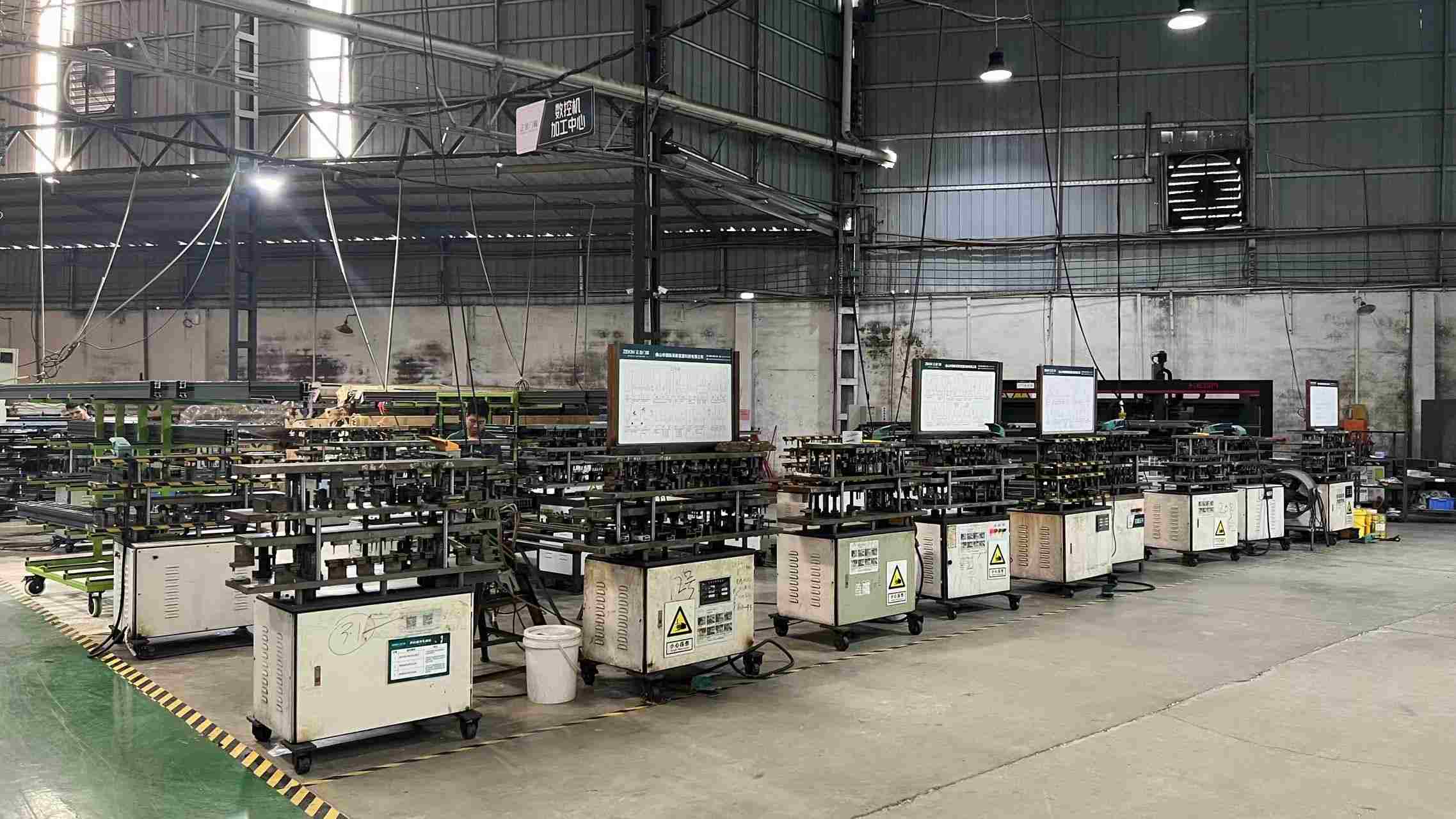
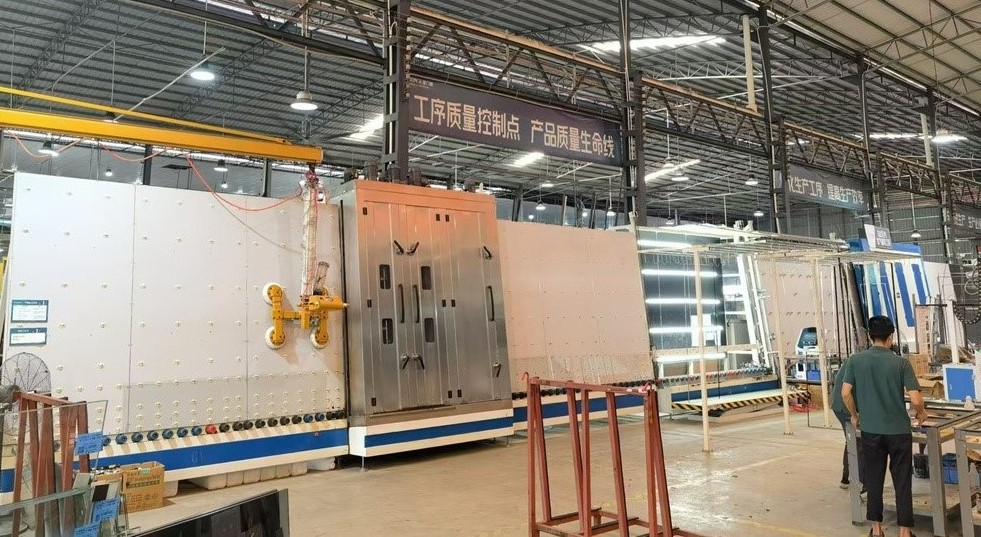
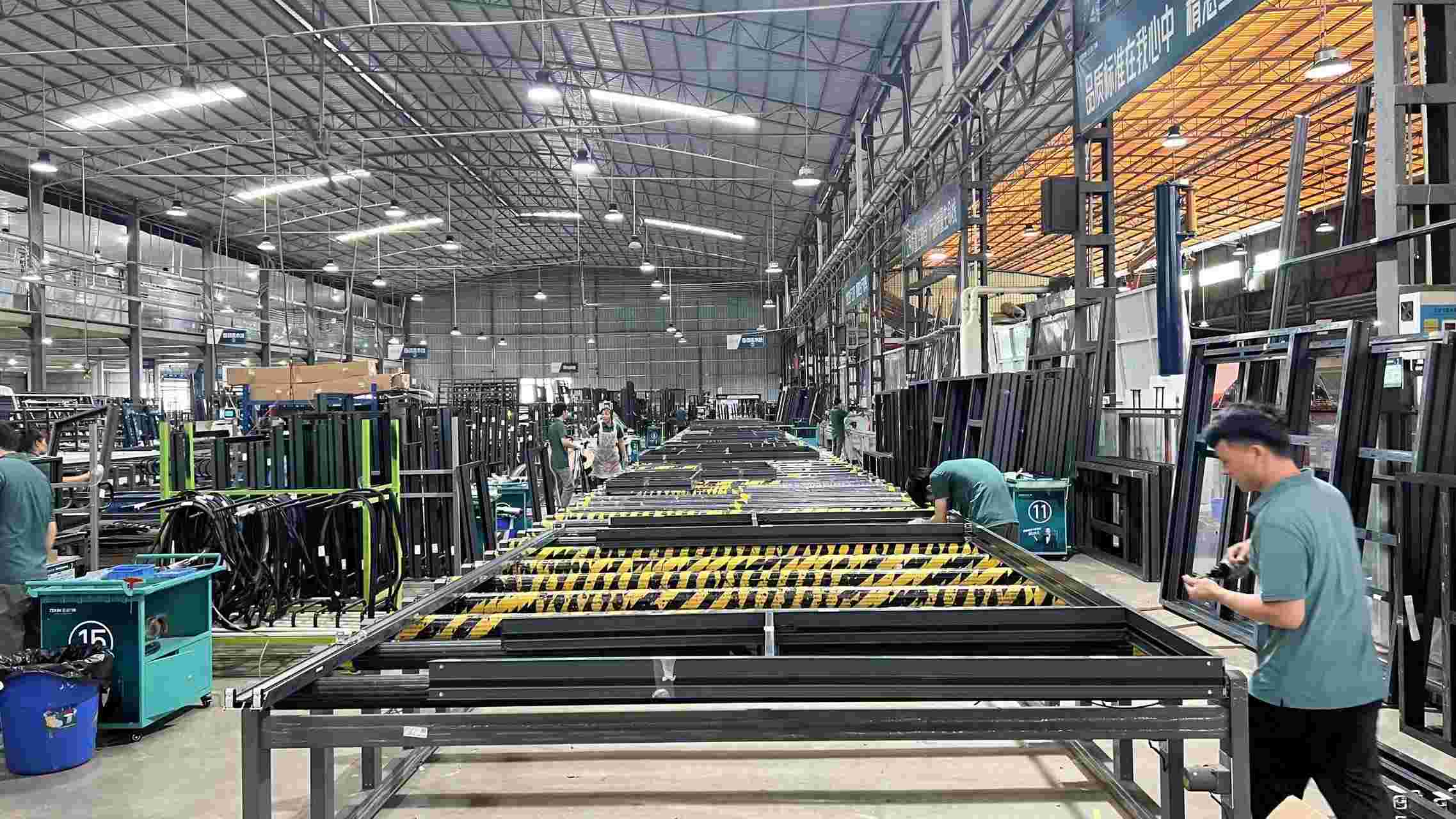
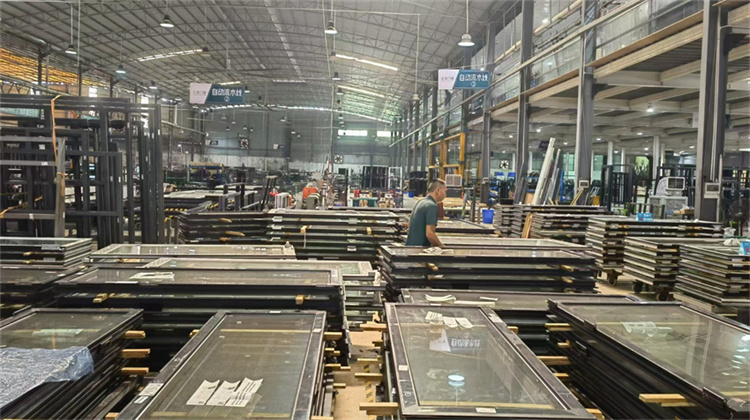
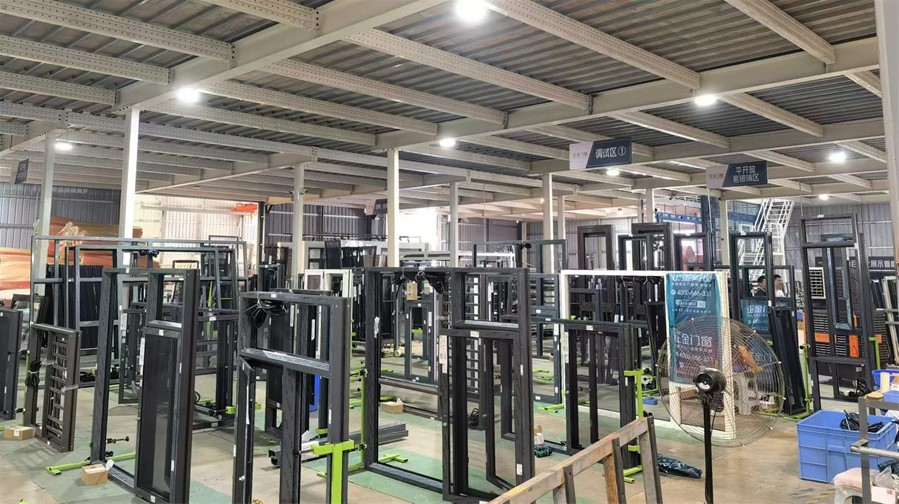
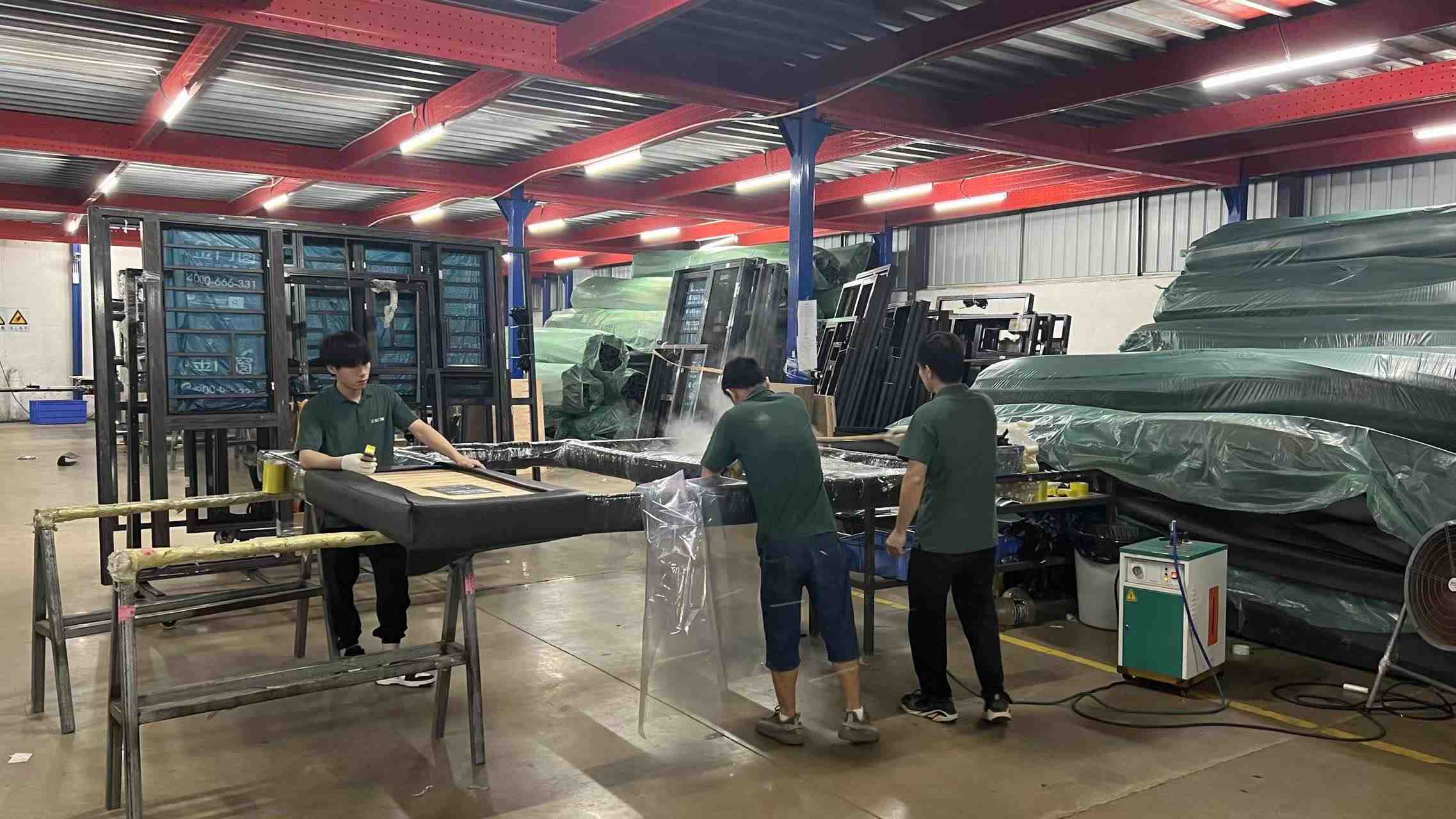
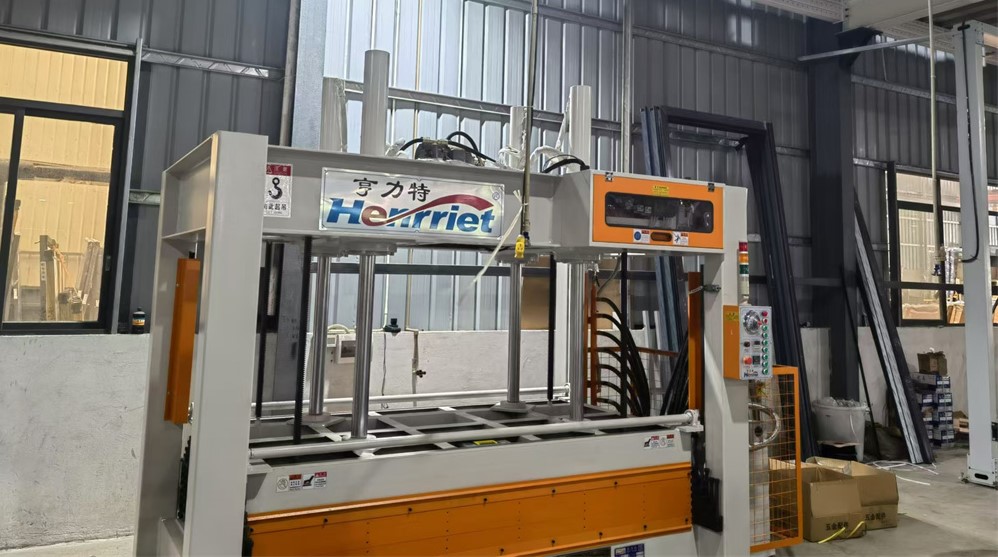
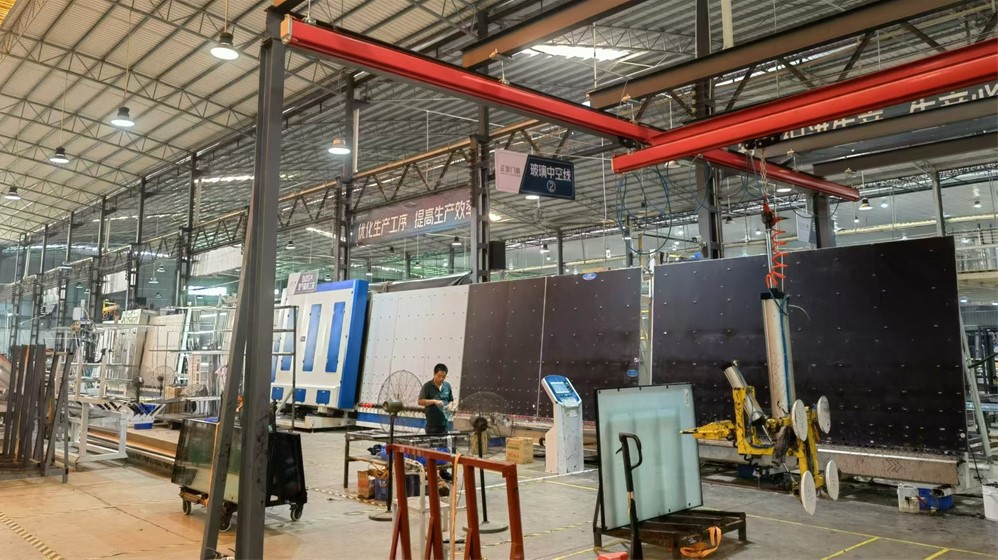
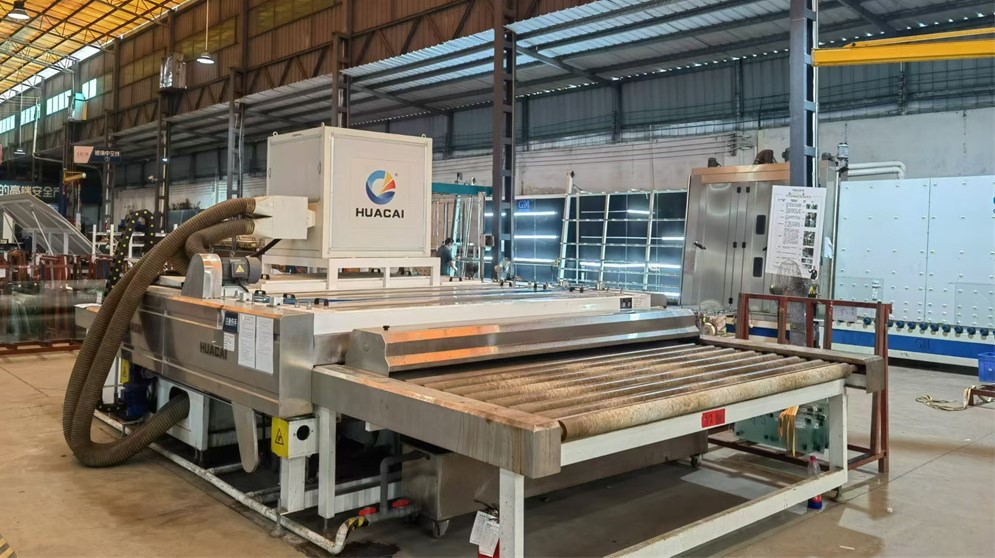
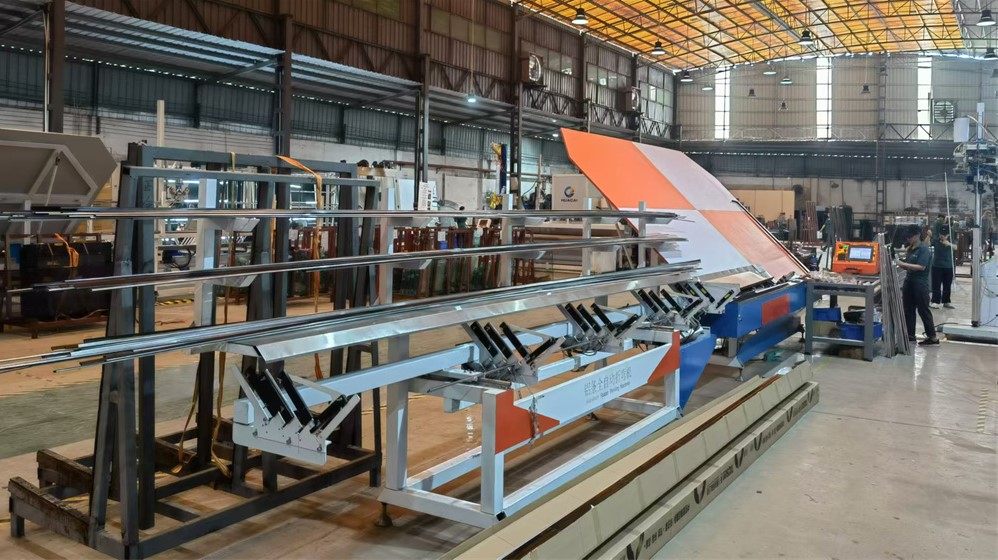
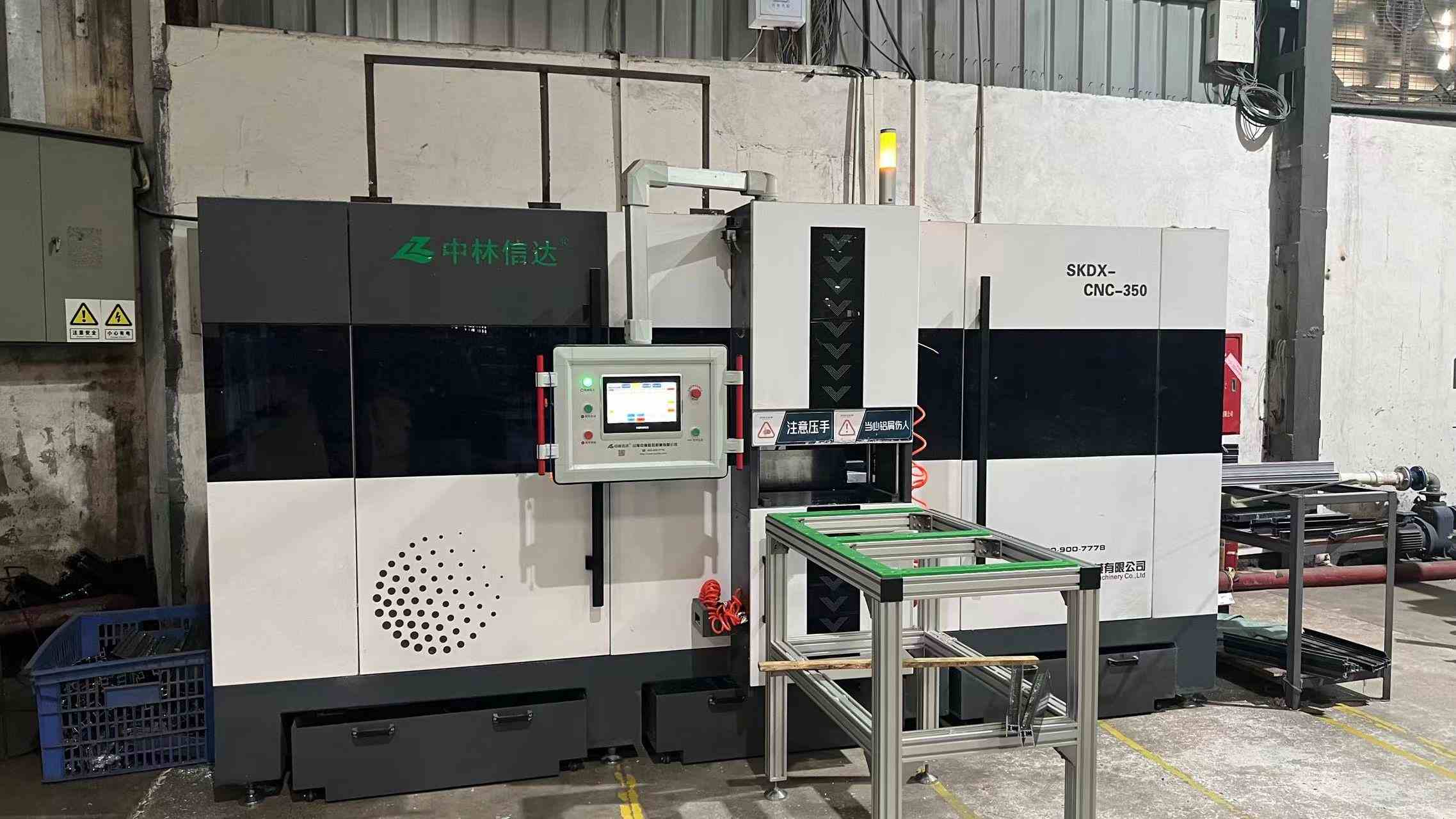
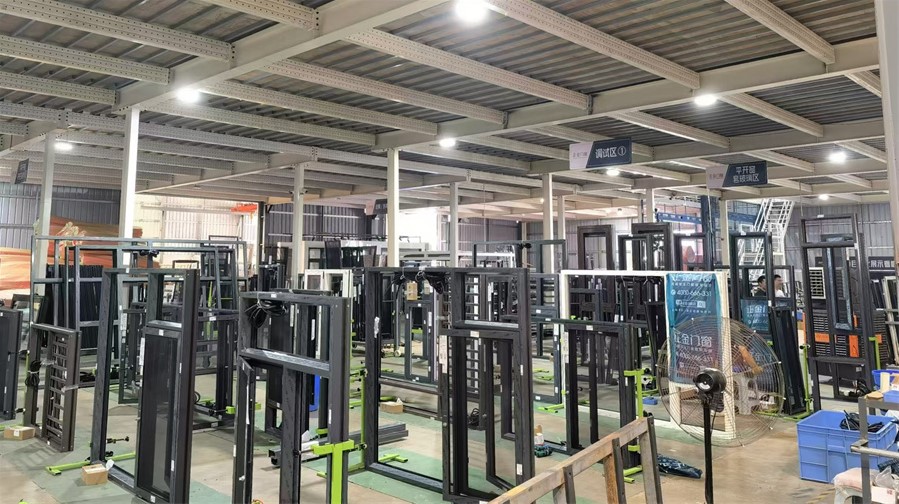
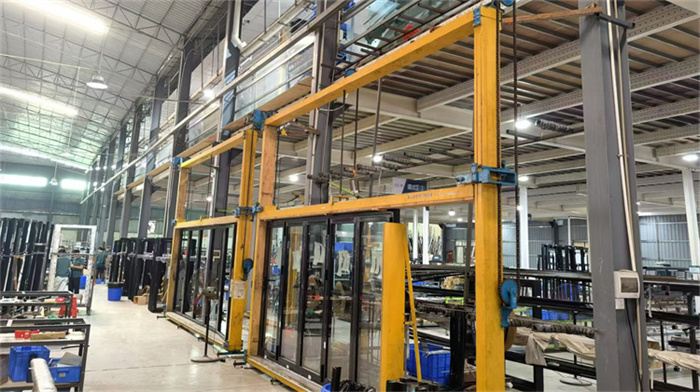
Precision manufacturing inside our 38,000m² factory to deliver zero-defect casement windows to Uzbekistan.
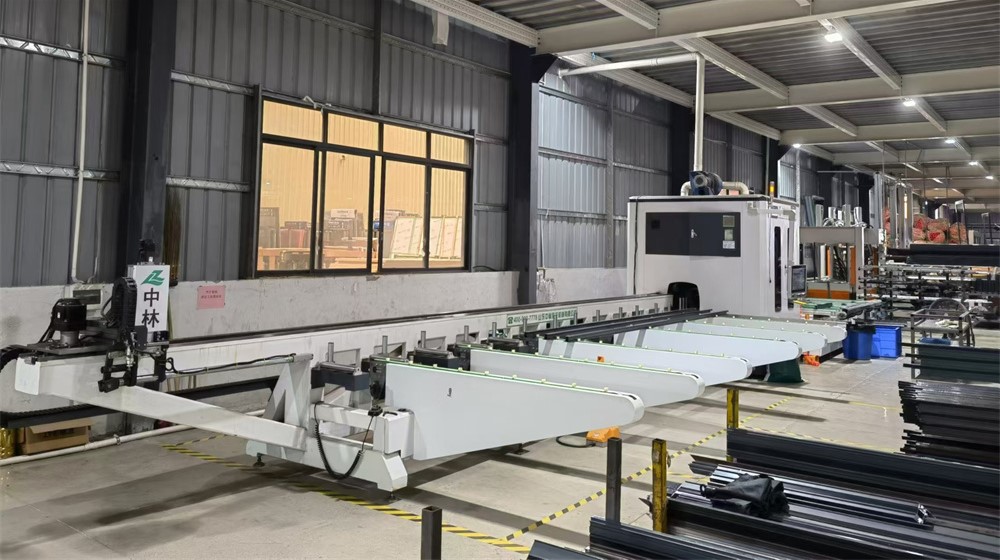
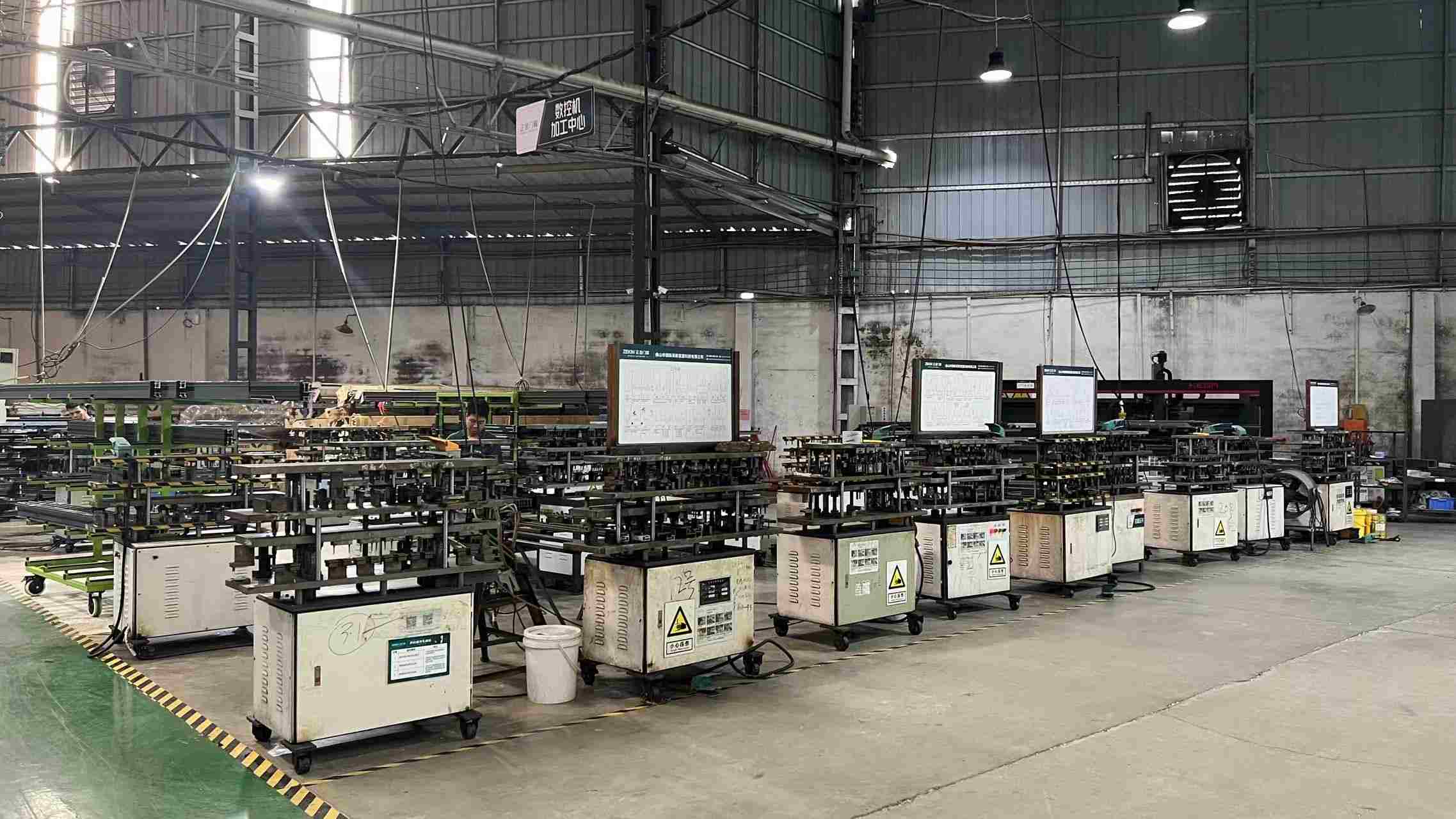
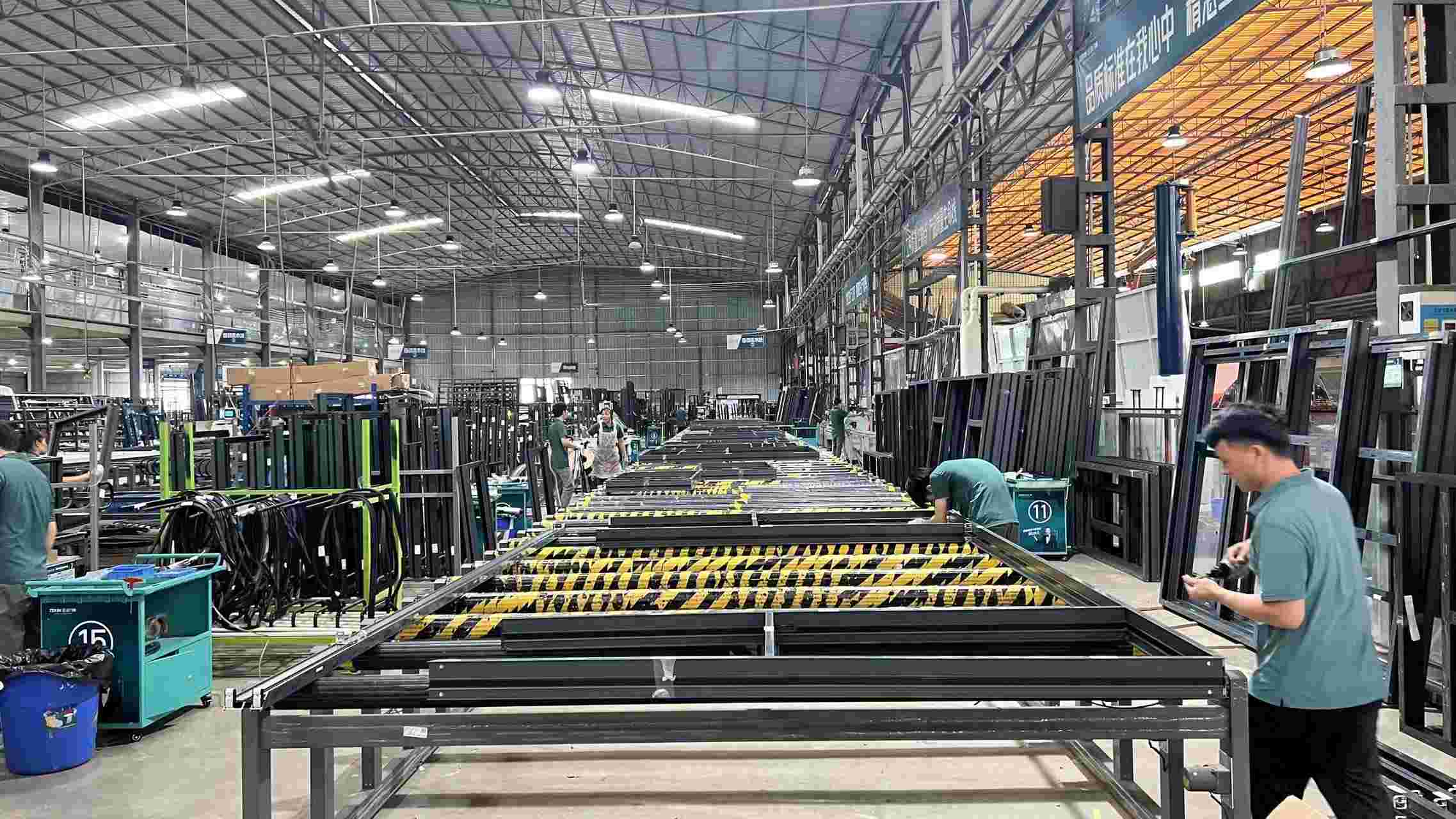
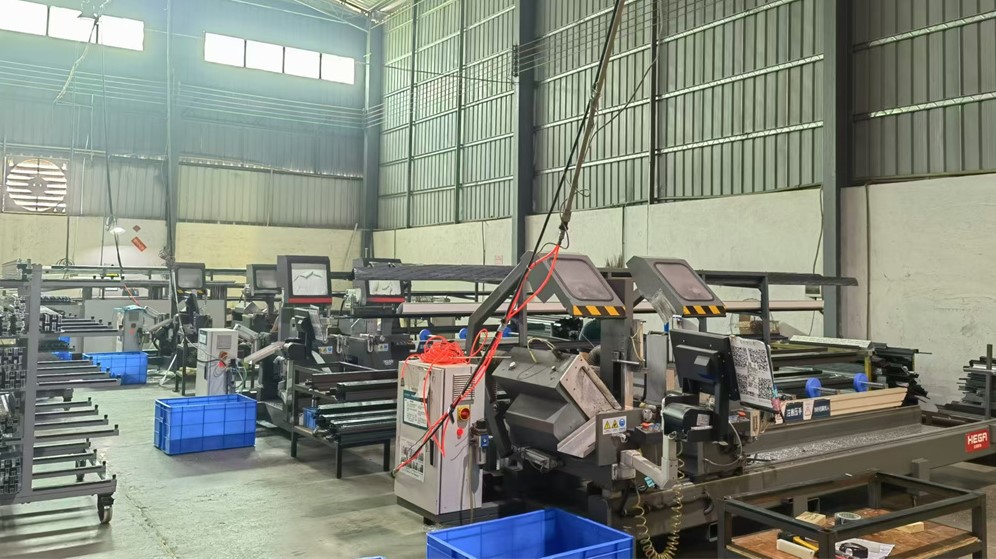
Global regulations are forcing envelope U-values lower. Fortis is pioneering quad-pane glass units with vacuum insulating glass (VIG) technology, targeting U-values of 0.45 W/m²K to eliminate operational carbon footprints in residential developments across Central Asia.
Integration of dynamic electrochromic glass (PDLC switchable glass) and IoT-connected concealed motorized casement operators. Windows dynamically adjust solar gain based on real-time solar azimuth data in Tashkent, reducing AC load by up to 32%.
Transitioning to RC2/RC3 European burglary resistance standards. Multi-point steel mushroom heads, anti-drill alloy plates, and laminated security glass panels integrated standard into our export casement window lines.
Explore our complete range of high-performance architectural systems available for direct container export to Tashkent, Samarkand, and regional hub destinations.
Equipped with 304 high-strength stainless steel security flyscreen. Offers anti-mosquito protection and enhanced child-safety security.
Premier European hardware solution permitting top micro-ventilation during rain, with full 180° inward opening for easy exterior glass cleaning.
Unobstructed wide-open views when both sashes are opened. Ideal for luxury residential villas and high-end hotel balconies in Samarkand.
Combines classical Islamic & European architectural arch aesthetics with modern thermal-break aluminum extrusion precision bending technology.
Engineered for extreme zero-energy architecture, featuring warm-edge spacers, aerogel insulation cores, and triple low-E coating assemblies.
Tested for 60-120 minutes structural fire integrity (EI60 / EI120) with intumescent fire-resistant glazing for high-density public buildings.
Reinforced steel-core aluminum profiles built to resist extreme wind gusts and dynamic structural deformation in towers exceeding 150 meters.
Transforms from crystal clear to opaque privacy at the touch of a button or smartphone app. Perfect for luxury suites and executive office spaces.
Expert guidance for Uzbek real estate developers, procurement specialists, and architectural engineers.
Our engineering team customizes all aluminum extrusion profiles and glass pack configurations to exceed Uzbekistan's KMK 2.01.04-18 thermal insulation requirements and KMK 2.01.07-97 dynamic wind load parameters. We provide full structural calculations, thermal simulation reports, and GOST conformity documentation required by State Architectural Inspections (*Gosarkhstroynadzor*) in Tashkent.
We offer streamlined logistics via China-Central Asia rail transit (directly from Wuhan to Tashkent / Chukursay freight station) or multimodal road transport through Horgos / Alashankou ports. Total production lead time is 20-30 days, with rail transit requiring approximately 12-18 days. Containers are loaded using custom ocean/rail export wooden crates to guarantee zero transit damage.
While PVC windows degrade, yellow, and warp under intense Central Asian solar UV radiation and extreme winter-summer temperature swings (+45°C to -20°C), thermal-break 6063-T6 aluminum retains permanent dimensional stability. Aluminum casements allow much wider sash sizes, higher glass weight capacity (up to 150kg per sash), superior seismic displacement safety, and a 50+ year operational lifespan.
Our 48-member internal QC team subjects all hardware components to 100,000 continuous opening/closing cycle tests and 1,000-hour salt spray corrosion testing (ASTM B117). We exclusively utilize automotive-grade continuous EPDM gasket seals (not cheap PVC seals) that maintain elasticity between -40°C and +120°C, ensuring airtight performance for decades.
Yes. We operate advanced automated Qualicoat-certified powder coating and fluorocarbon (PVDF) lines. Developers in Uzbekistan can specify any RAL color code, textured wood-grain finishes, or dual-color anodizing (different interior and exterior colors) to complement city heritage guidelines in Samarkand or modern curtain walls in Tashkent City.
Partner directly with a proven manufacturer exporting $34 Million in high-performance fenestration systems annually. Contact our engineering team for instant quotes, technical BIM files, or sample shipments.
Send Inquiry Now Fortis Window