Compliant with Washington State Energy Code (C402), high wind-load tolerances (ASTM E330), and continuous rain penetration resistance (AAMA 501.1).
Pre-assembled factory-sealed unitized curtain walls designed for rapid tower installation in Downtown Seattle & South Lake Union.
Ultra-low U-factor (< 0.18 BTU/h·ft²·°F) engineered specifically for PNW Climate Zone 4C strict energy insulation goals.
Seamless 4-sided structural silicone glazing providing monolithic glass aesthetics for tech headquarters and modern corporate centers.
Engineered with interlaced seismic mullion joints (Category D compliance) and STC 45+ acoustic dampening against urban traffic noise.
Wuhan Fortis Building Technology Co., Ltd. delivers institutional-grade fenestration and structural curtain wall systems optimized for global trade, high-rise engineering, and certified architectural performance.
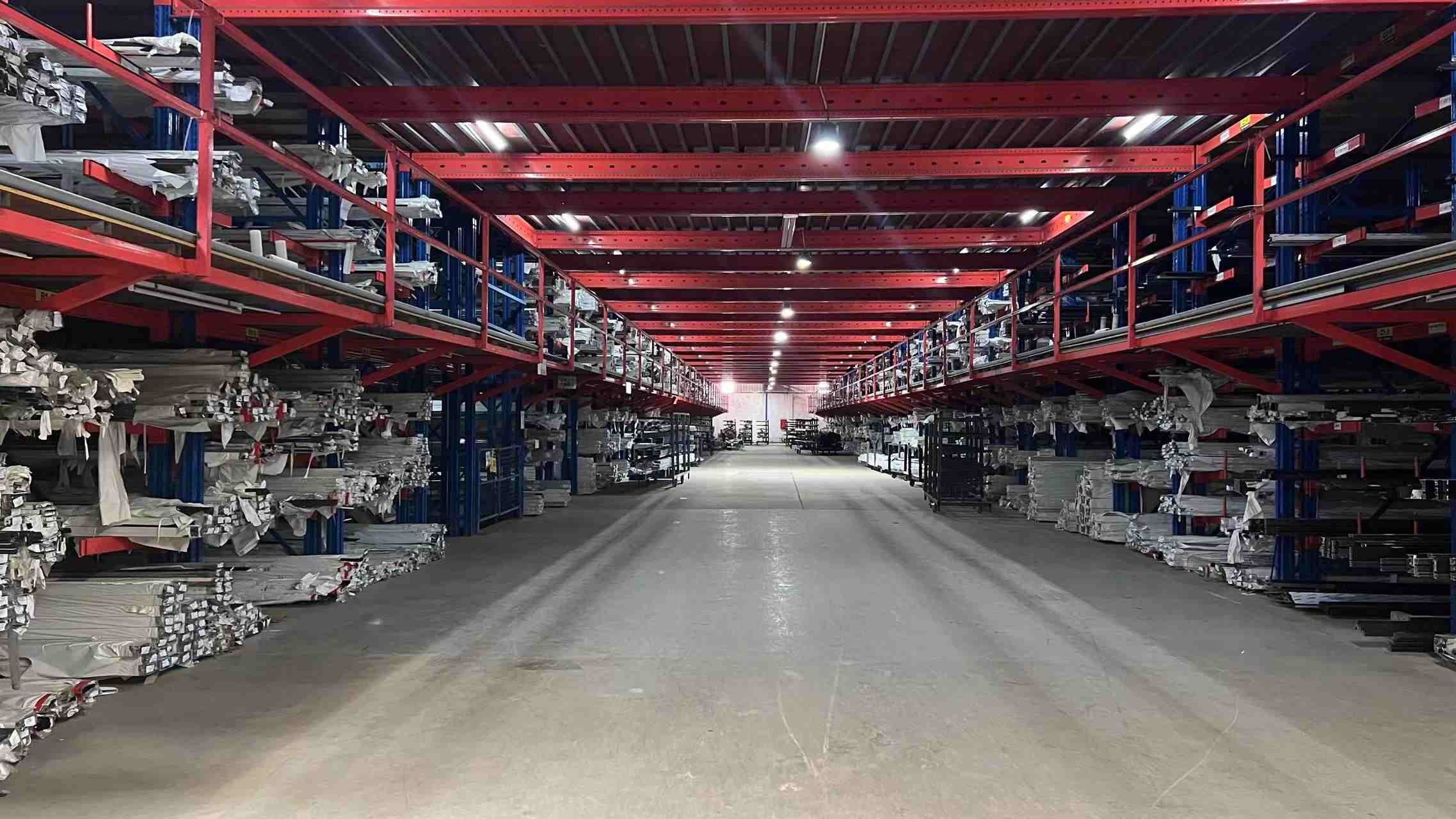
Established in 2014, Wuhan Fortis Building Technology Co., Ltd. spans an expansive production space of 38,000 square meters. Rooted in 12 years of specialized manufacturing experience and 9 years in international export operations, our annual export revenue reaches $34 million. We primarily serve real estate developers, hotel construction companies, and hardware distributors across Europe, North America, and Southeast Asia.
Product reliability is assured by 48 certified QC specialists executing structural stress tests, hardware cycle endurance checks, and salt spray corrosion testing. With a robust network of 950 supply chain suppliers, Fortis provides customized solutions ranging from motorized sliding mechanisms to ultra-narrow frame sightlines. Powered by 60 R&D engineers, the company introduced 75 new energy-efficient window models last year.
Seattle Procurement Guarantee: Our North American export division specializes in custom structural glass engineering aligned with ASTM, AAMA, and NFRC testing criteria, ensuring seamless architectural sign-off for Seattle's rigorous building codes.
An In-Depth Technical Analysis of Architectural Trends, Micro-Climatic Challenges, and Code Compliance in King County & The Greater Seattle Metro.
Seattle, Washington represents one of North America’s most dynamic commercial real estate markets. Driven by hyperscale technology conglomerates in South Lake Union, Bellevue, and Downtown Seattle, commercial architectural design demands unprecedented structural transparency, low-carbon embodied materials, and ultra-high thermal efficiency.
The rapid rise of mid-rise and high-rise commercial offices, mixed-use residential towers, and corporate headquarters requires exterior building envelopes that balance structural integrity with architectural distinction. Curtain wall exporters supplying the Seattle market must navigate stringent local municipal standards while satisfying complex geometric designs dictated by modern urban architects.
Seattle’s unique marine climate presents challenging weather combinations: persistent high-humidity rain, severe wind driven precipitation from Puget Sound, and moderate seasonal temperature fluctuations. A standard building envelope is insufficient.
Curtain wall systems deployed in Seattle must incorporate multi-stage pressure-equalized rainscreen systems, advanced EPDM or silicone gasket matrix designs, and thermally broken aluminum framing. Dynamic structural stress analysis ensures zero water intrusion even under pressure differentials exceeding 15 PSF under AAMA 501.1 dynamic rain testing standards.
The Seattle Energy Code (SEC) is among the most aggressive energy conservation codes in the United States. Commercial building envelopes must achieve rigorous overall window-wall U-factor limits (typically U ≤ 0.22 to U ≤ 0.18 BTU/h·ft²·°F), demanding triple-glazed insulated glass units (IGU), argon gas fills, warm-edge spacers, and double Low-E magnetron sputter coatings.
Additionally, local Seattle developers prioritizing LEED v4.1 Platinum certification require Environmental Product Declarations (EPDs) and low-embodied-carbon aluminum extrusions. Wuhan Fortis integrates recycled aluminum billets and eco-friendly manufacturing processes to support local decarbonization mandates.
Bridging overseas manufacturing precision with localized North American job site delivery.
For high-rise developments in congested urban centers like Seattle, unitized curtain wall systems offer significant labor savings. Pre-fabricated, shop-glazed units arrive at the job site ready for crane hoisting, cutting site installation schedules by up to 40% compared to traditional field-glazed stick systems.
Seattle sits in Seismic Design Category D. Our structural curtain wall framing utilizes expansion-contraction slip joints and dynamic expansion split-mullion designs capable of accommodating high inter-story drift ratios without compromising glass integrity or air-water seals.
Properties situated near Light Rail lines or arterial roadways require high acoustic performance. Utilizing asymmetric glass laminate configurations and dense acoustic PVB/SGP interlayers, our curtain wall systems achieve Sound Transmission Class (STC) ratings up to 48dB.
Every unitized component undergoes rigorous 8-stage quality verification across our 38,000m² production complex.
1. Raw Materials Inspection
2. Cutting
3. Punching
4. Hollow Processing
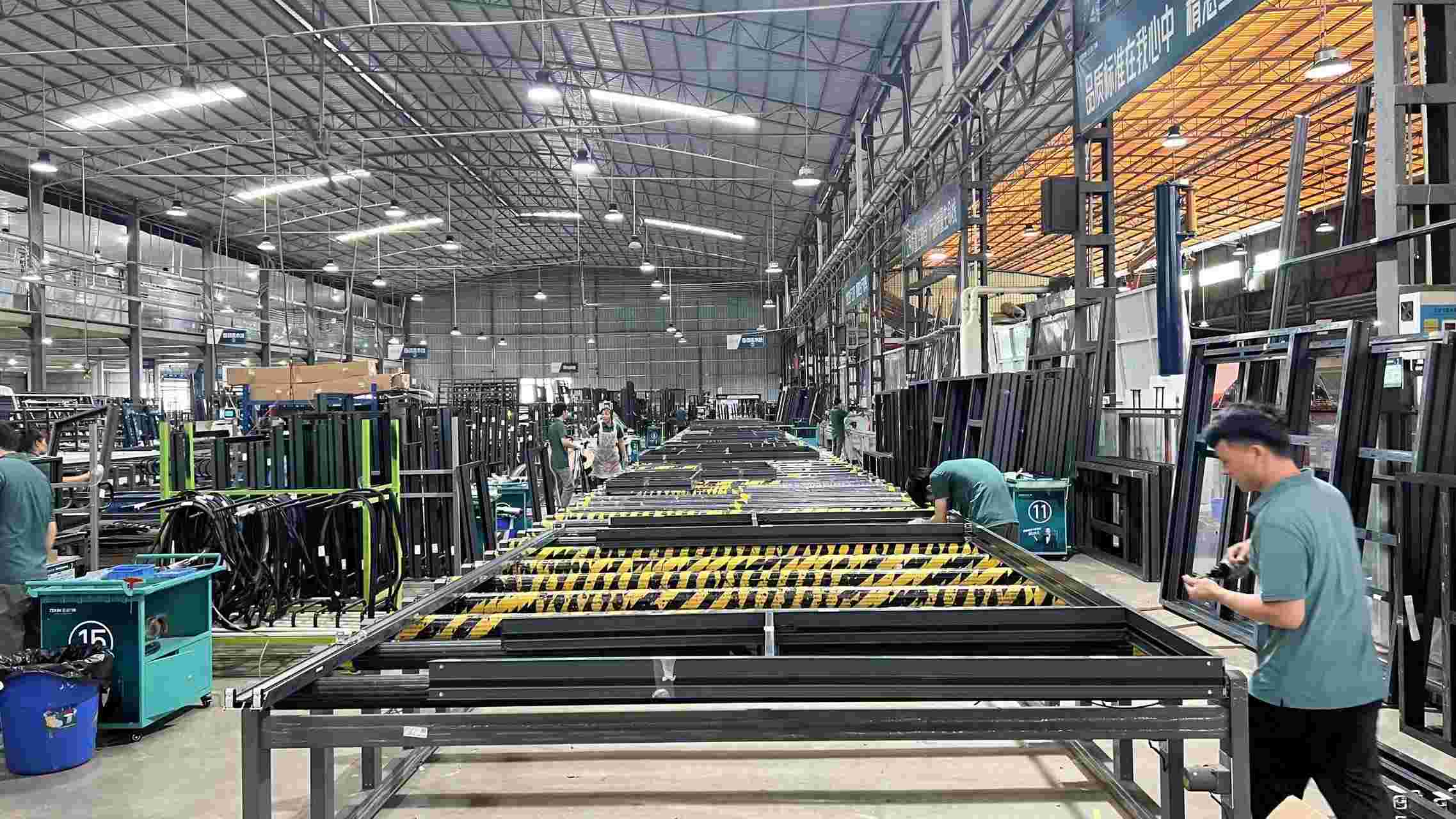 5. Gluing
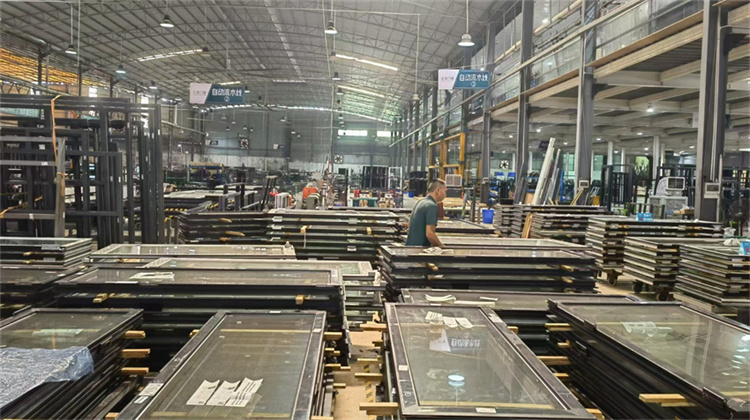 6. Assembly
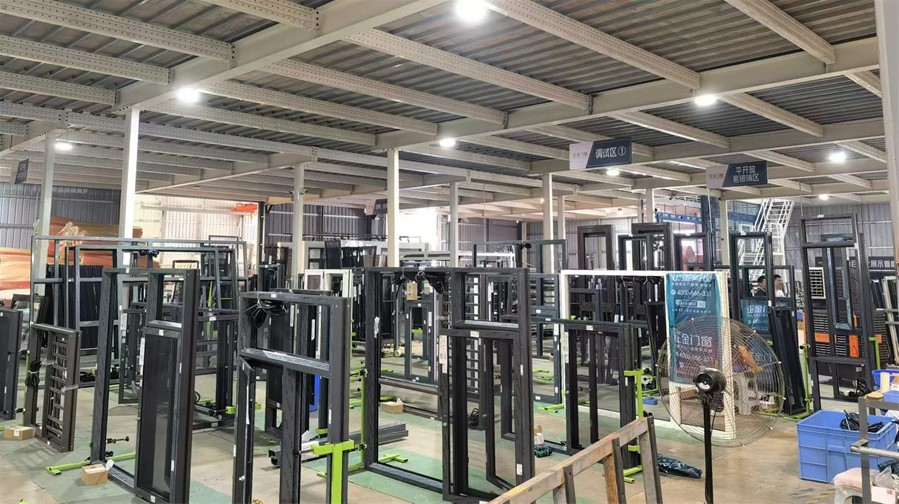 7. Debugging
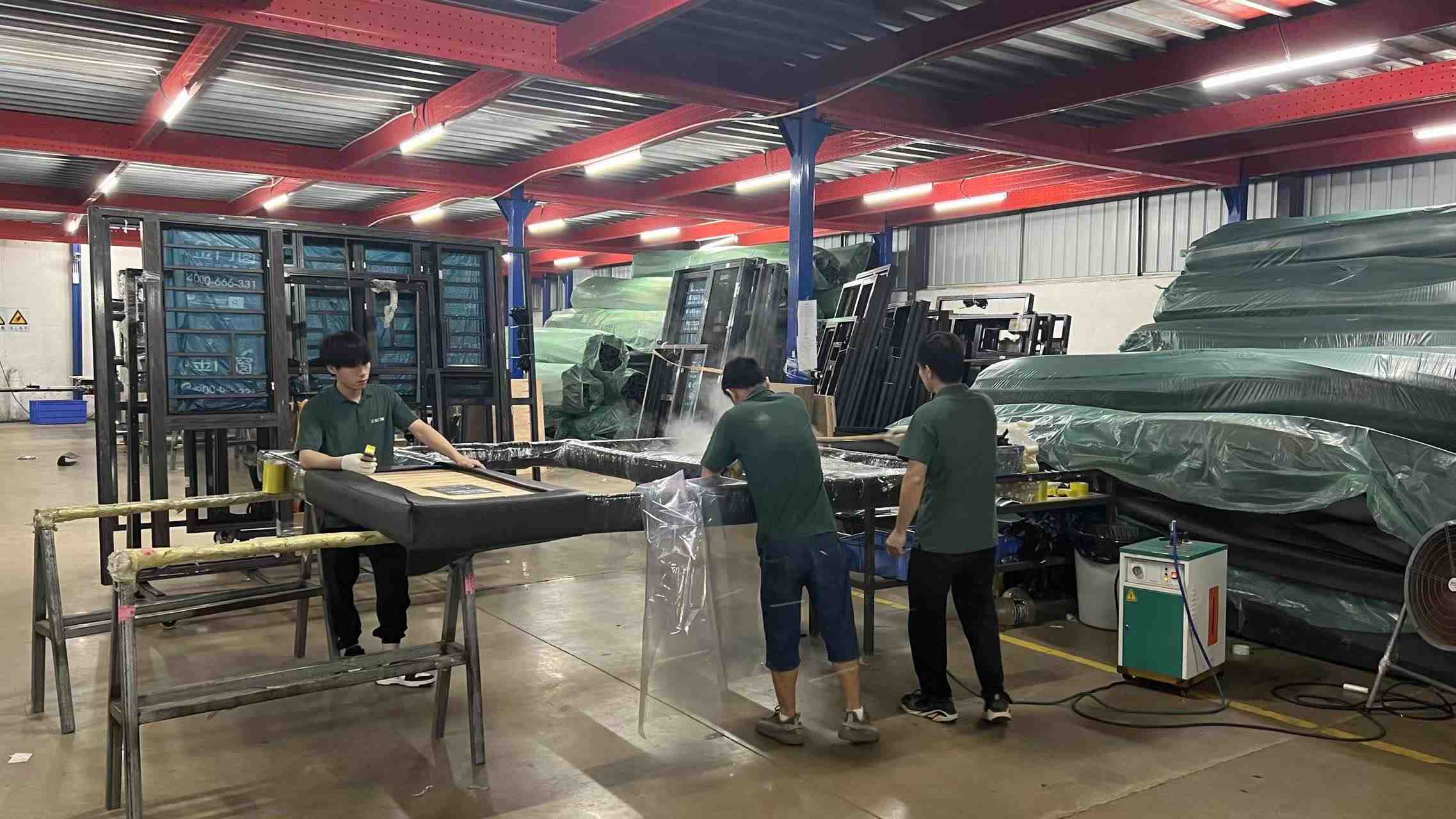 8. Packing
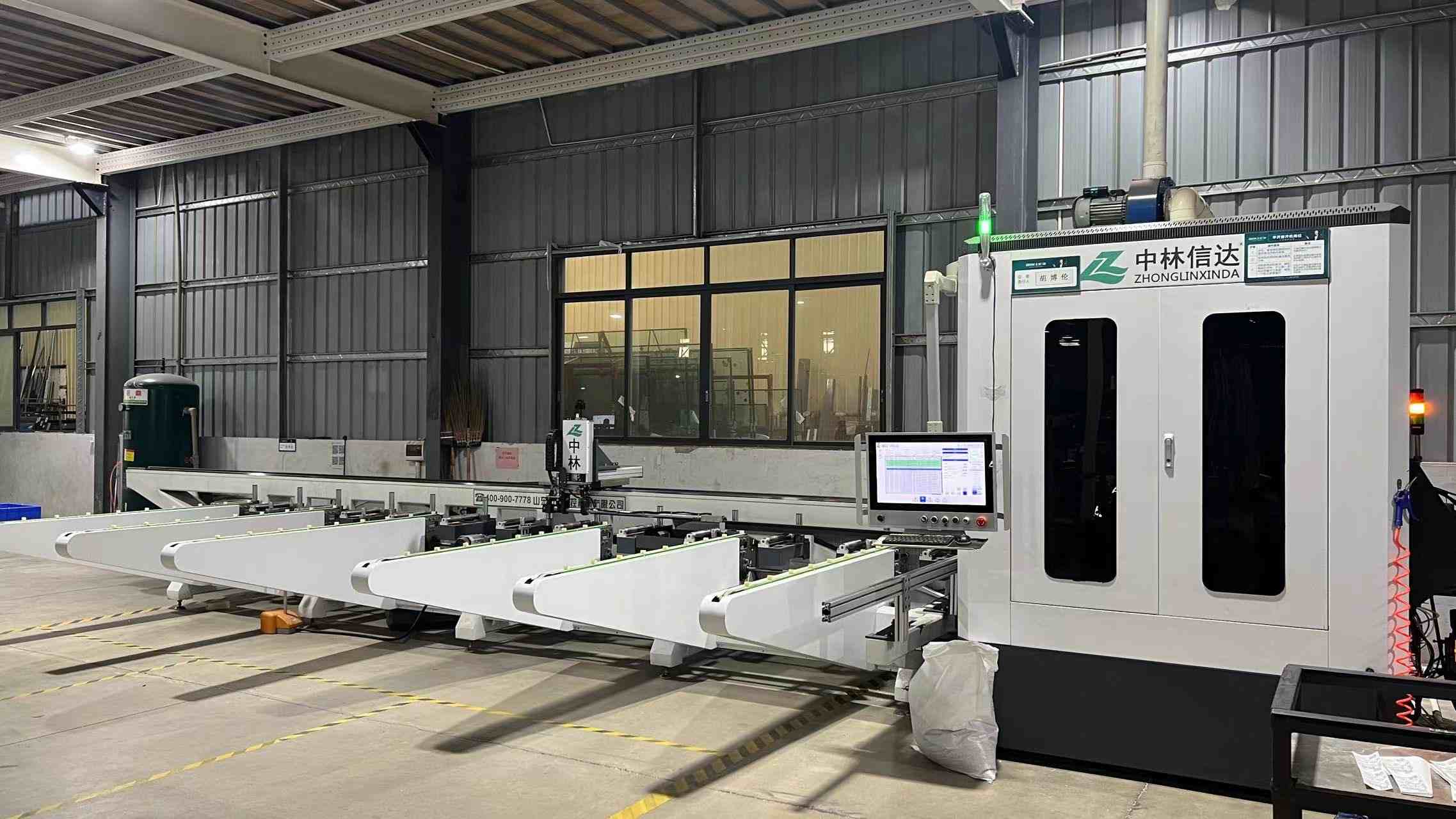
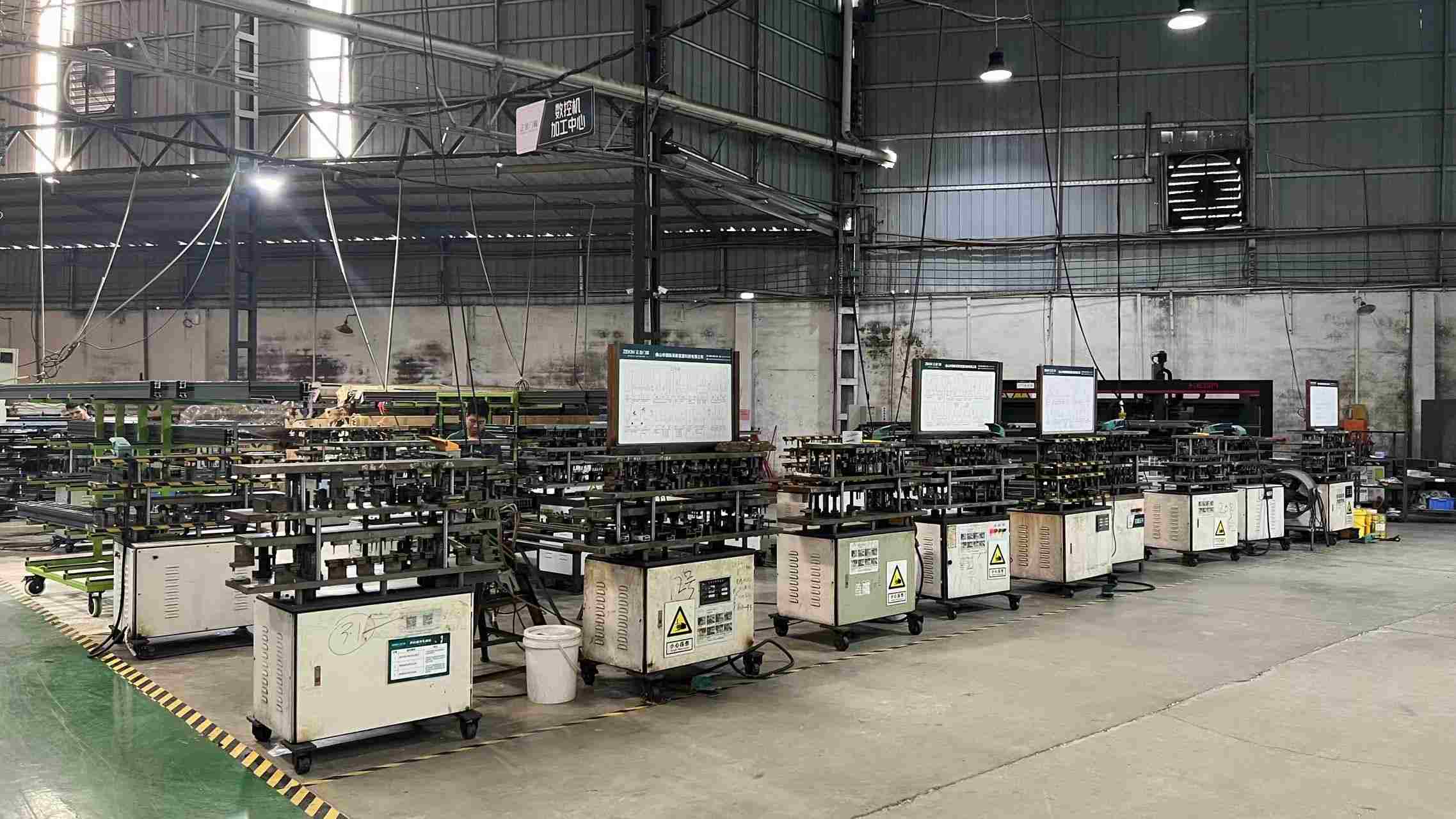
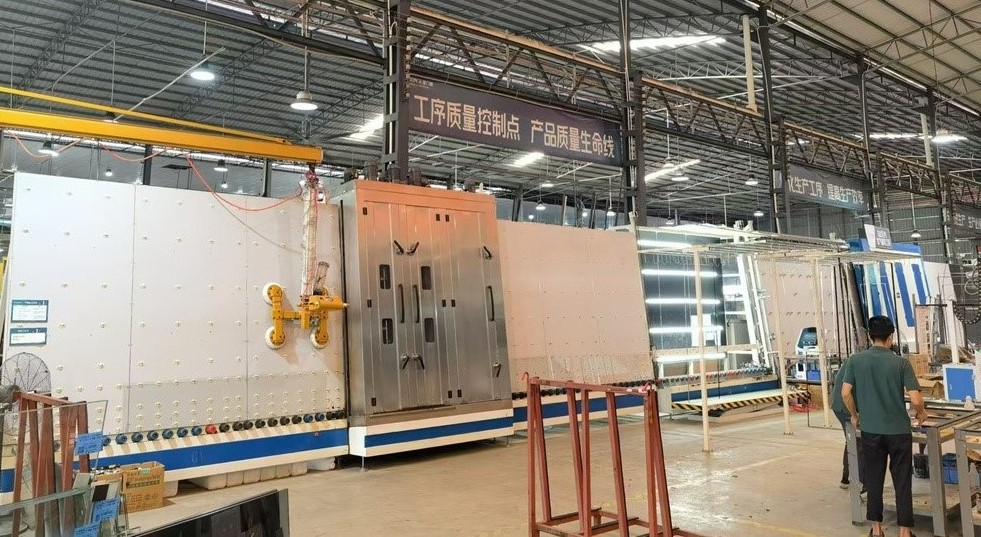
Automated CNC machining centers and high-precision glass processing lines engineered for flawless execution.
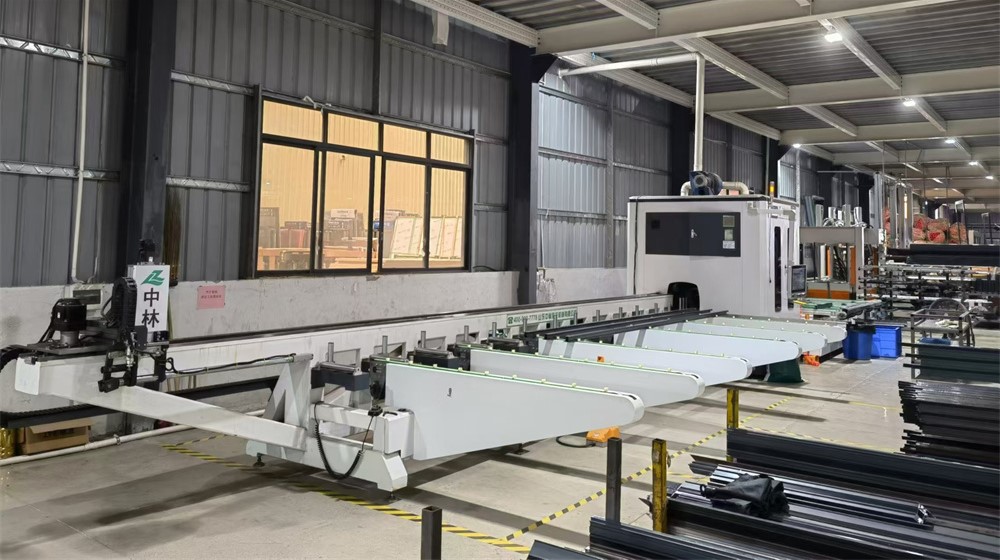 Laser Cutting Machine
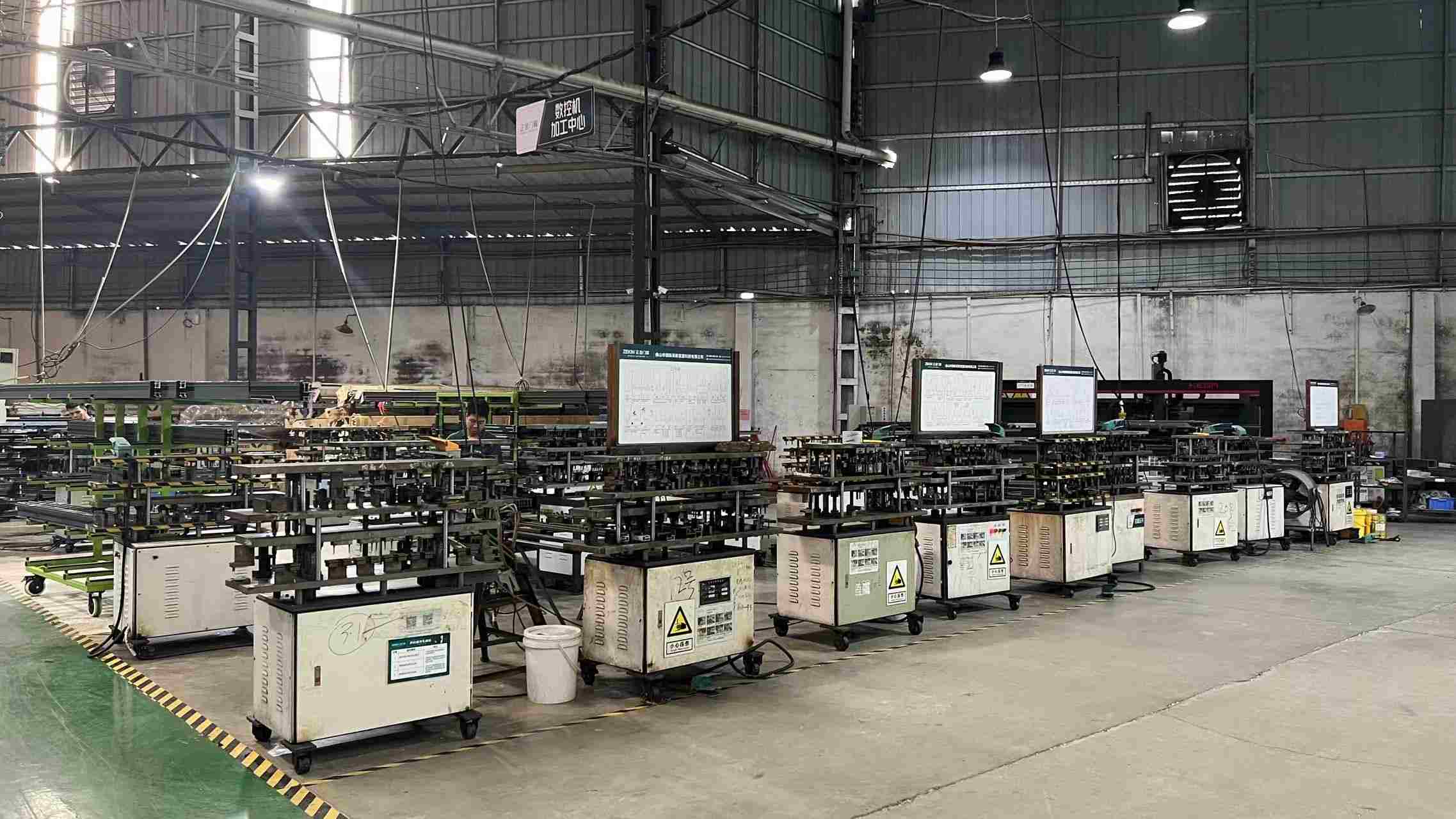 Punching Machine
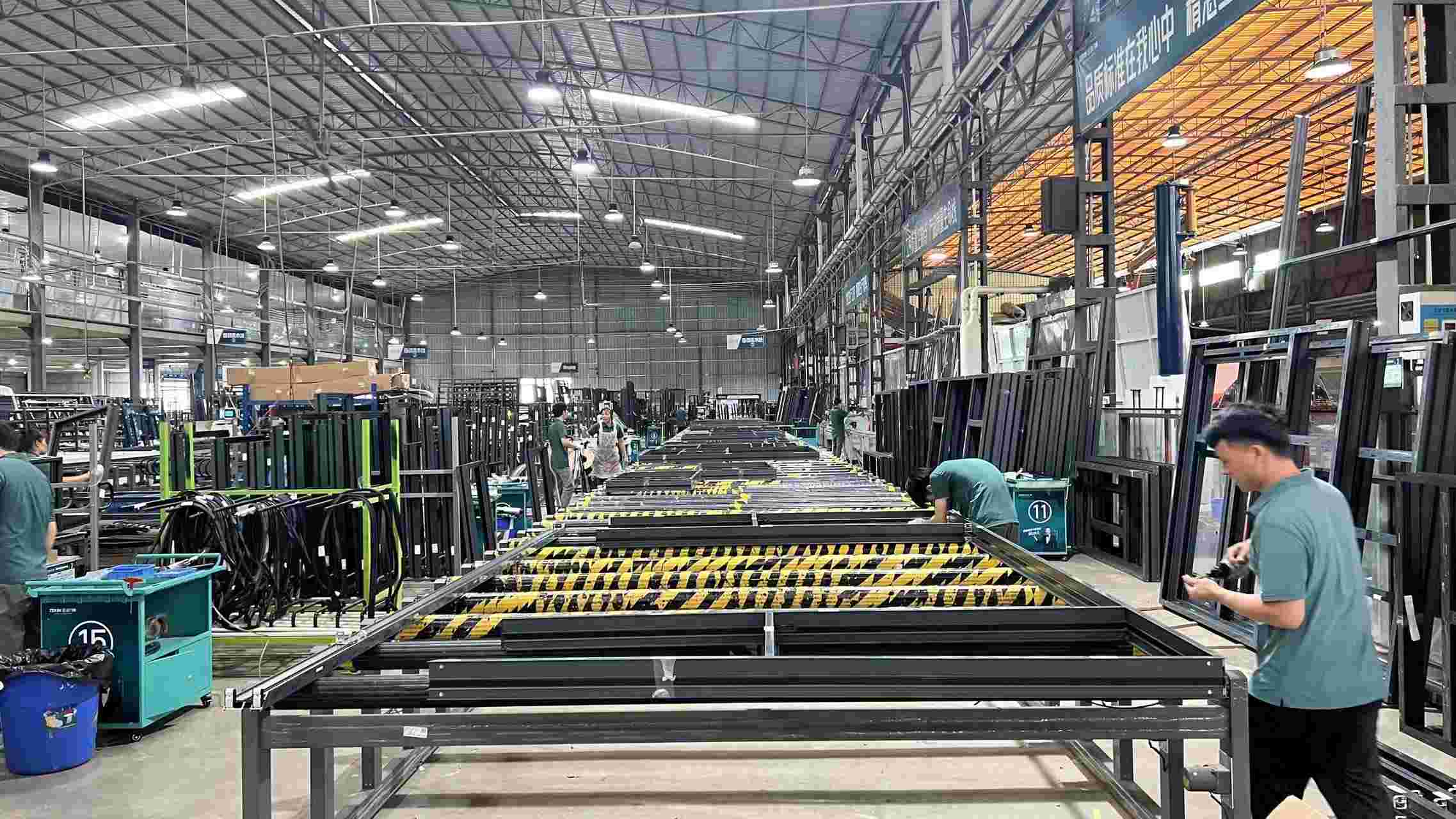 Assembly Line
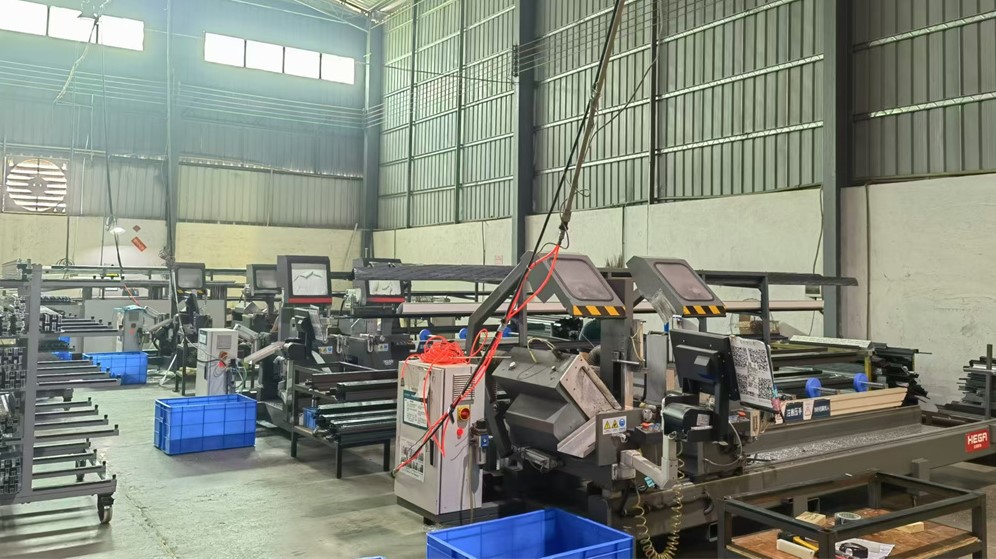 Double Head Sawing Machine
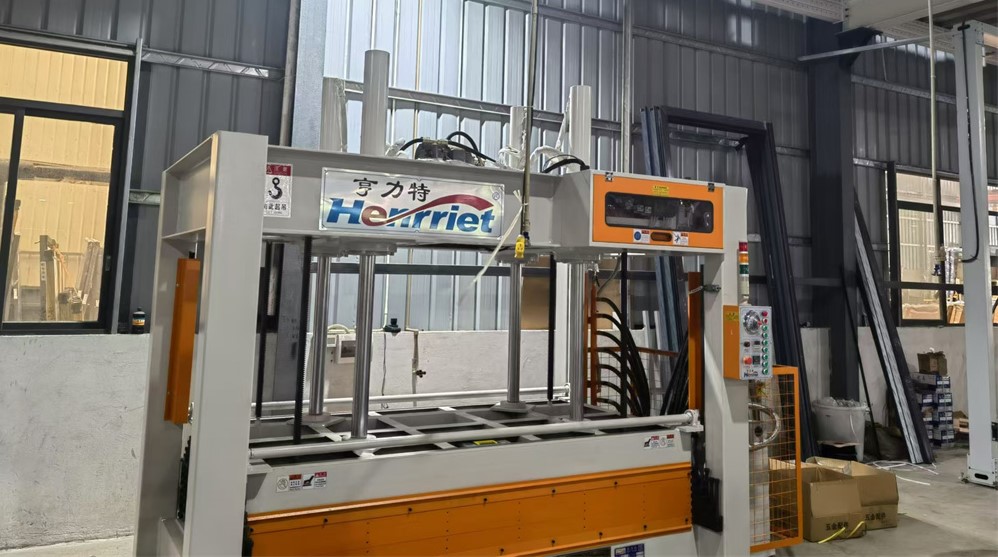 Pressing Machine
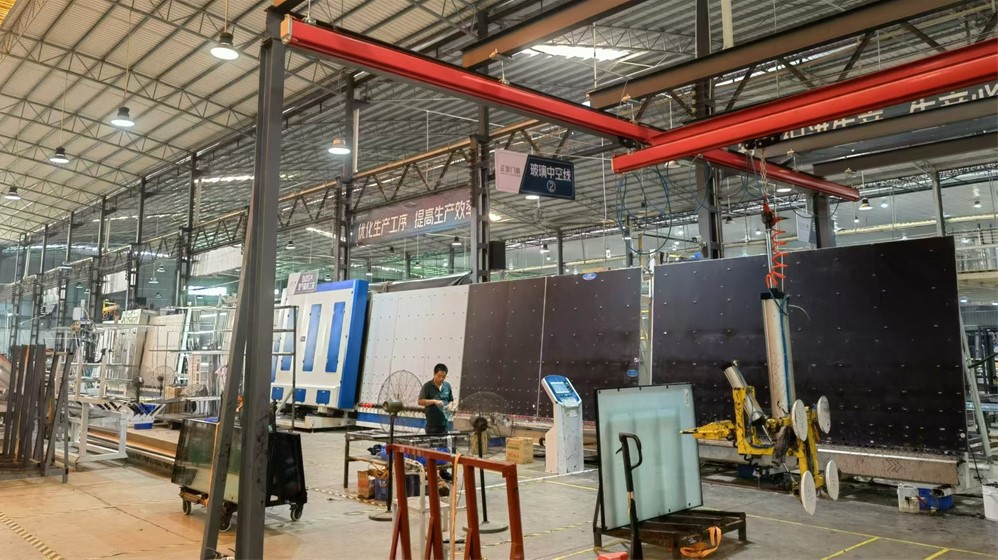 Hollow Line
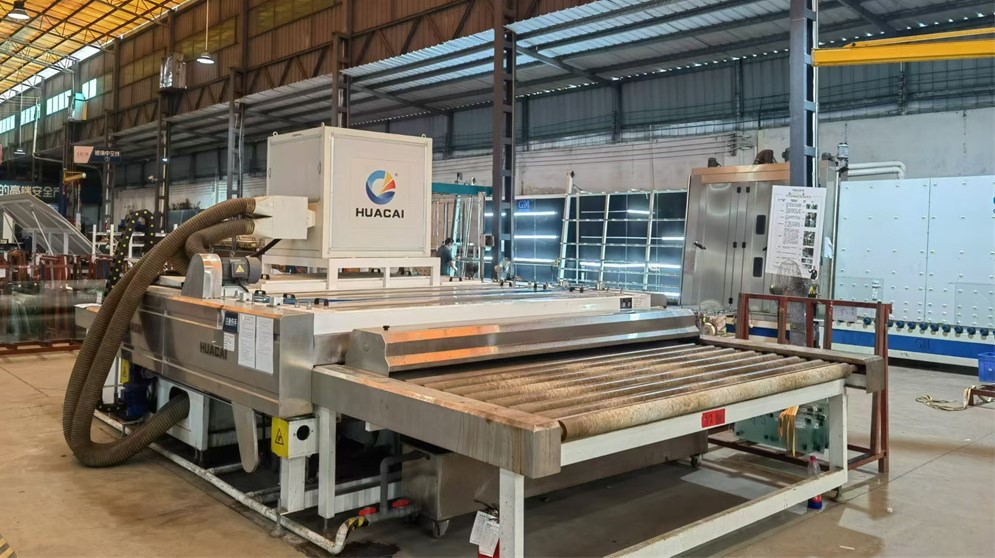 Glass Cleaning Machine
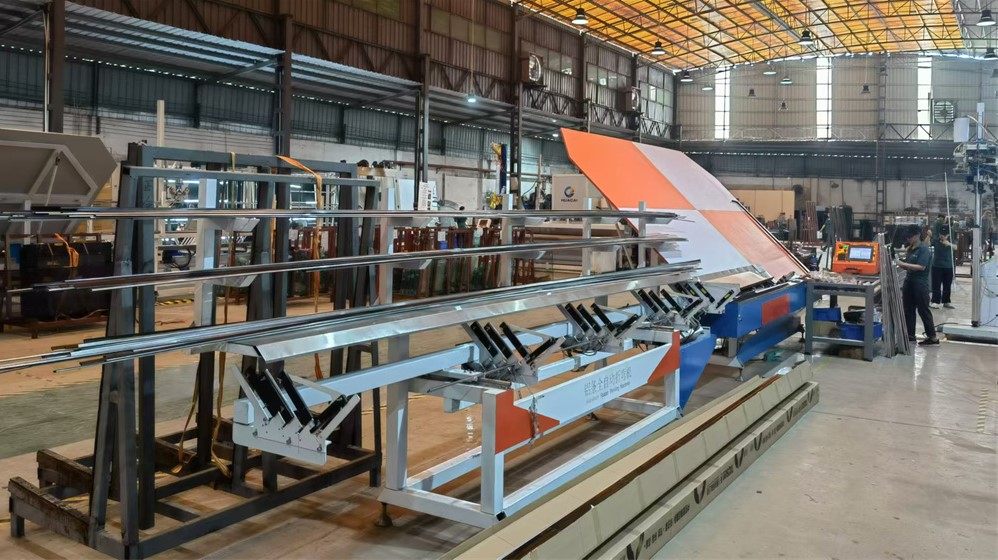 Bending Machine
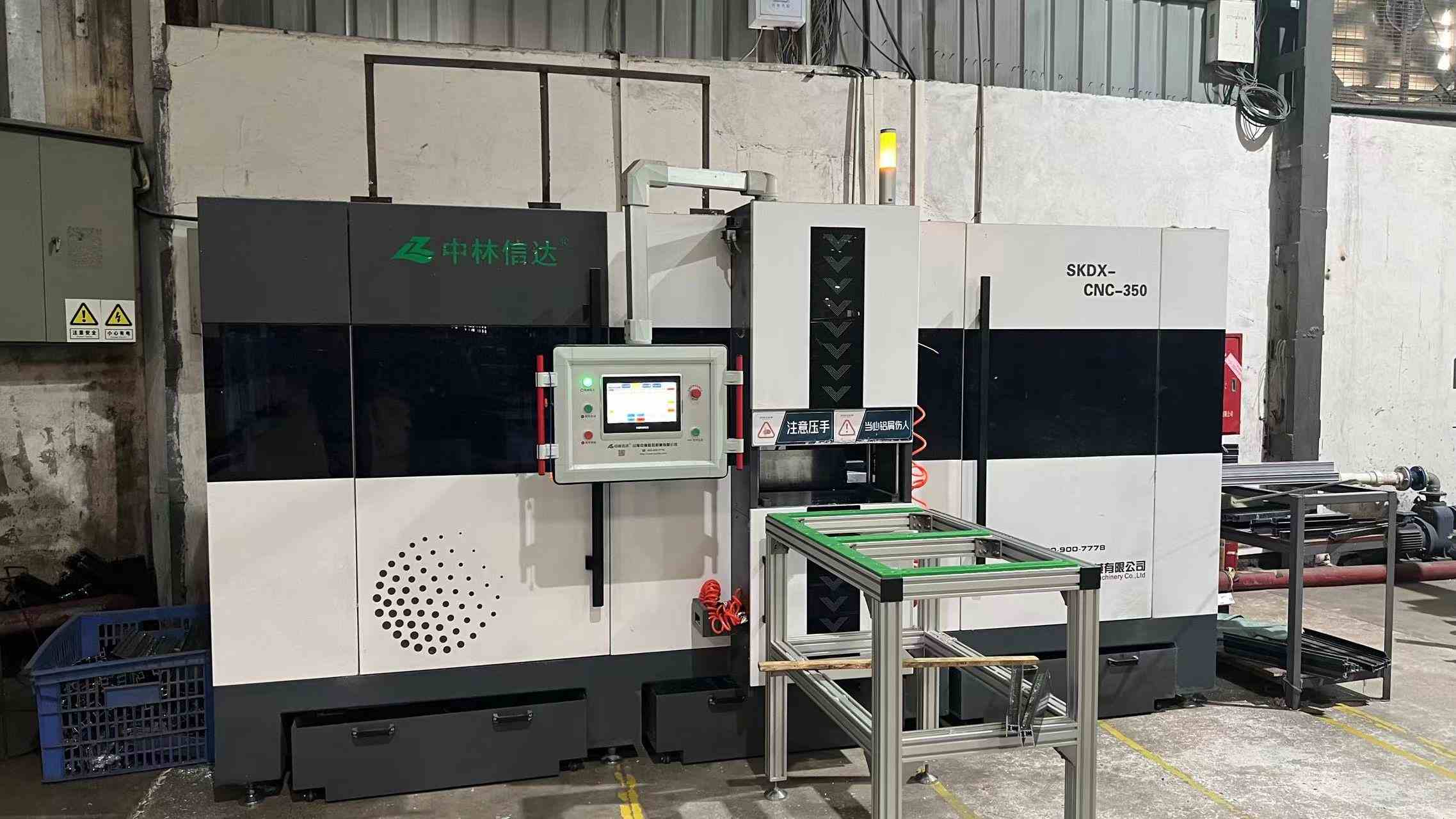 Automatic End Milling Machine
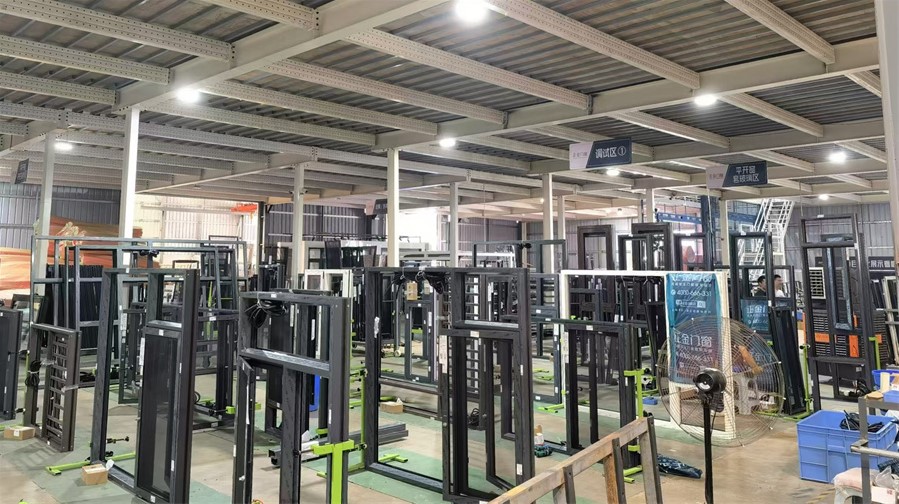 Debugging Station
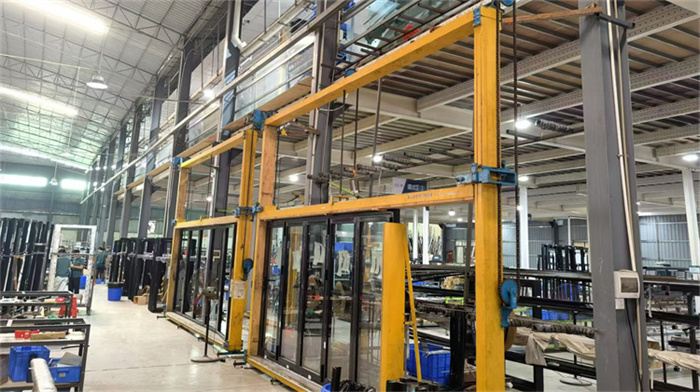 Debugging Frame
Comprehensive supply chain management tailored to the Port of Seattle & Port of Tacoma logistics corridors.
Direct ocean freight routes from our manufacturing hub directly into the Port of Seattle and Port of Tacoma. We provide Just-In-Time (JIT) containerized crate delivery directly to urban staging zones to minimize laydown space constraints.
All exporting profile units undergo independent lab verification for Air Infiltration (ASTM E283), Static Water Penetration (ASTM E331), Dynamic Water Penetration (AAMA 501.1), and Structural Performance (ASTM E330).
Our 60 R&D engineers furnish complete 3D BIM models (Revit format) and detailed CAD shop drawings detailing anchor attachment details, structural calculation reports, and thermal boundary modeling for fast local engineering review.
Pioneering future-proof technologies for zero-carbon high-rises in Seattle and global tech hubs.
Building-Integrated Photovoltaic (BIPV) spandrel glass modules that transform high-rise building envelopes into active clean power generation units without sacrificing architectural exterior aesthetic.
Next-generation VIG units delivering thermal insulation performance equivalent to solid masonry walls (U-factors as low as 0.06 BTU/h·ft²·°F) in ultra-slim double-pane profiles.
Deploying AI algorithms to optimize extrusion wall thicknesses based on specific Seattle building height and wind tunnel simulation metrics, reducing material weight while maximizing safety margins.
Addressing technical compliance, logistics timelines, and structural specifications for Seattle project managers.
Our engineering team designs facade assemblies featuring multi-chamber thermal breaks, polyamide structural insulation strips, triple-pane Low-E insulated glass units with warm-edge spacers, and argon gas fills. This yields overall system U-factors down to 0.18 BTU/h·ft²·°F, fully satisfying or exceeding C402 Seattle energy code benchmarks.
Once CAD/BIM shop drawings are approved and prototype mock-up testing is verified, fabrication takes approximately 4-6 weeks. Direct ocean shipping from our factory facility to the Port of Seattle typically requires 16-22 days, enabling total lead times of 8-10 weeks from final design approval to site arrival.
Yes. We provide certified laboratory test results from accredited third-party testing agencies under AAMA 501.1 (Dynamic Water Testing), ASTM E331 (Static Water Penetration), ASTM E330 (Structural Performance), and inter-story horizontal displacement seismic drift tests tailored to Seattle’s Zone D seismic requirements.
We manufacture 2-sided and 4-sided structural silicone glazing (SSG) unitized frames, utilizing high-performance structural silicone sealants from Dow Corning and Tremco. These systems deliver uninterrupted exterior glass vistas with concealed structural framing, ideal for tech corporate headquarters.
Our 48 certified QC specialists conduct rigorous salt spray corrosion testing (ASTM B117 standards) on aluminum extrusions, anodic coatings, and powder-coated finishes (Kynar 500 / PVDF). This guarantees long-term durability against marine mist and salt vapor across the Puget Sound coast.
Select from our comprehensive array of custom-engineered aluminum and structural glass exterior envelope systems.
Precision laser-cut modular framing for rapid tower installation.
Ultra-narrow sightline exterior profile maximizing interior natural daylighting.
Reinforced structural mullions rated for extreme high-altitude wind pressure.
Superior thermal break performance for extreme seasonal weather retention.
High-durability automated structural assembly with modern metallic finishes.
Automated hollow line insulated glass units with integrated solar control Low-E.
Engineered laminated glass configurations delivering maximum STC noise reduction.
Precision profile bending technology for complex geometric building corners.
Contact Wuhan Fortis Building Technology Co., Ltd. today for technical structural estimates, thermal calculations, and factory-direct export pricing tailored for Seattle developers and general contractors.
Send Inquiry Now Fortis Window