Engineered specifically for Southeast Asia's tropical climate, high wind shear forces, and strict energy compliance requirements.
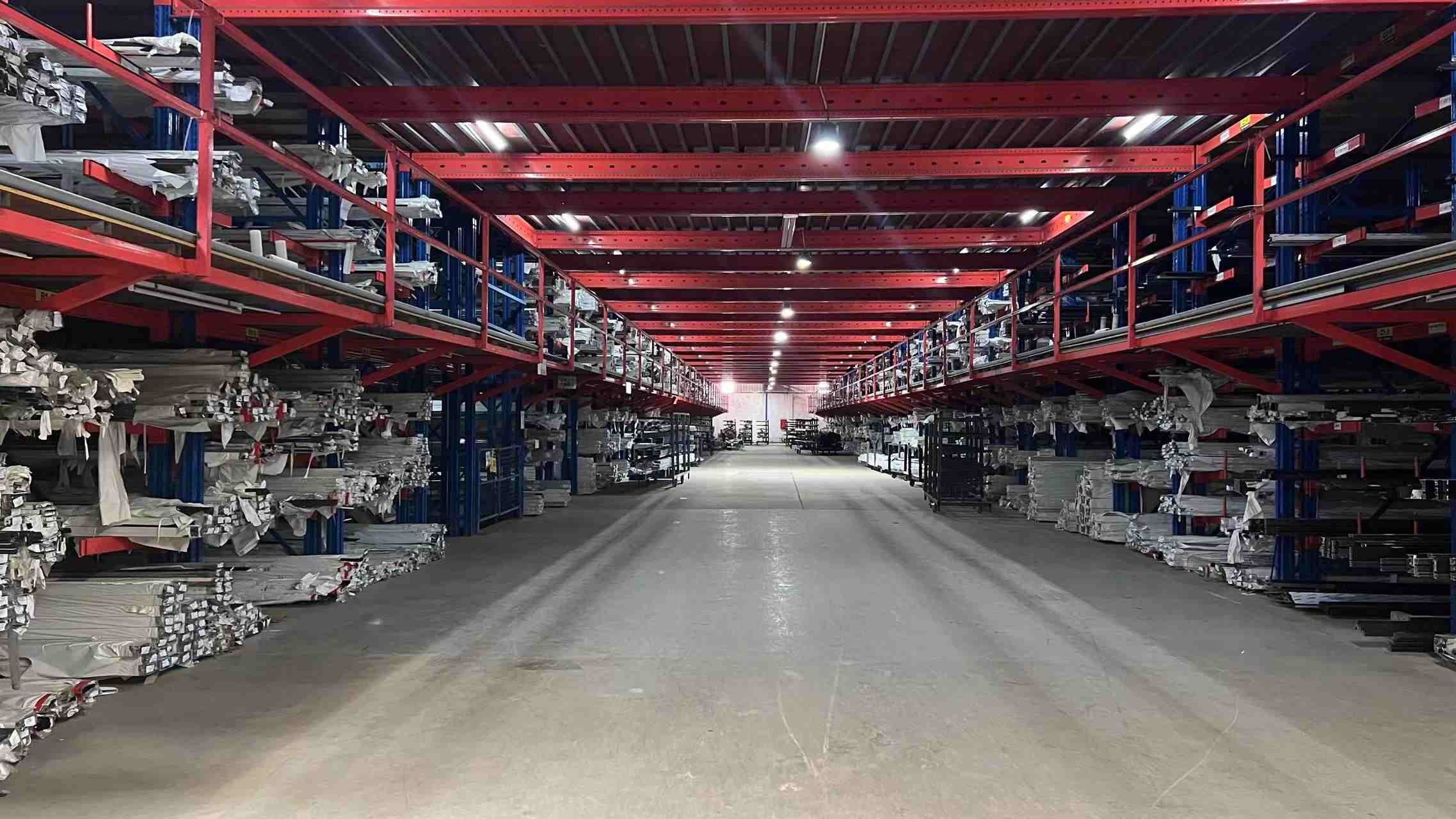
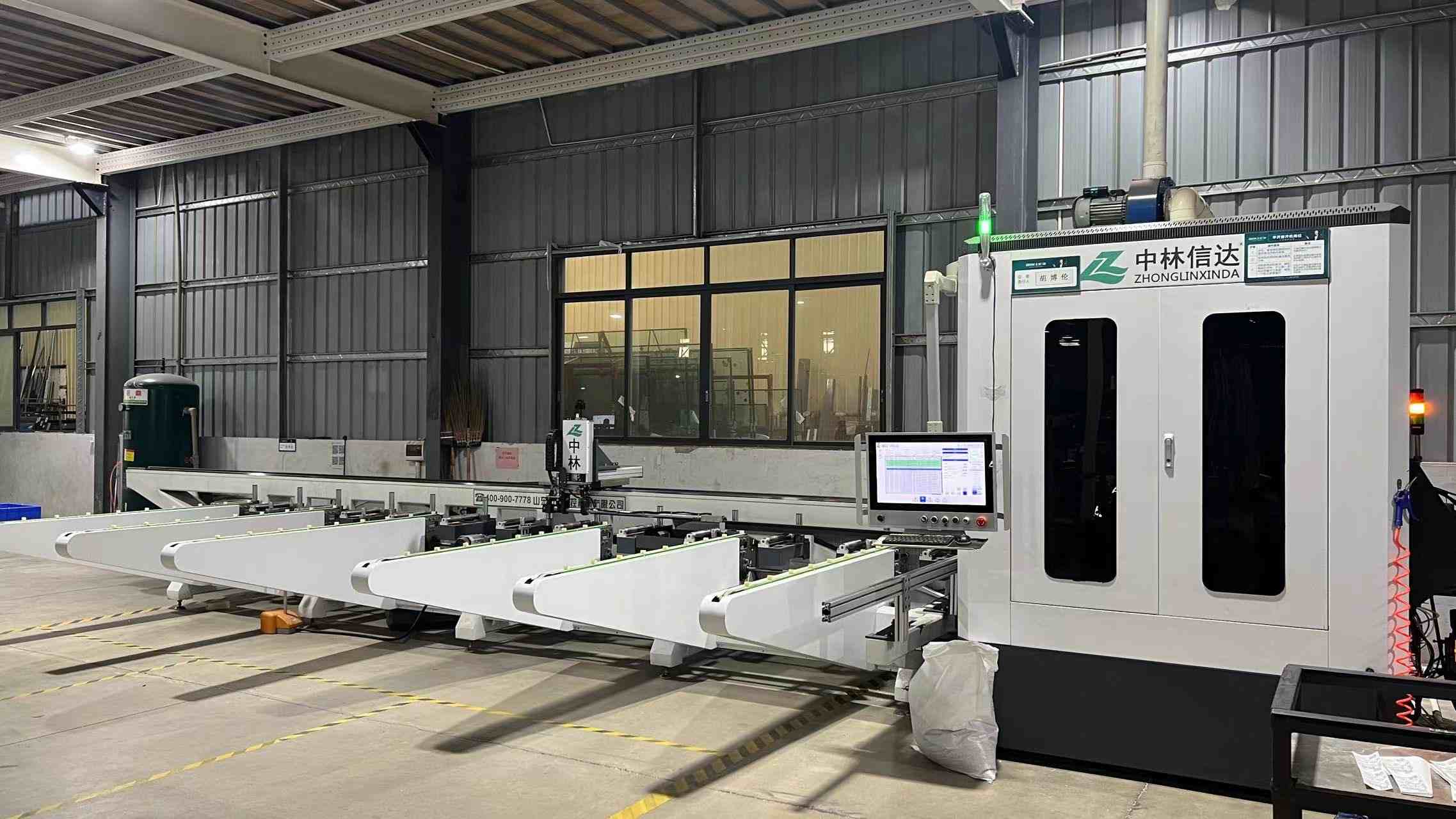
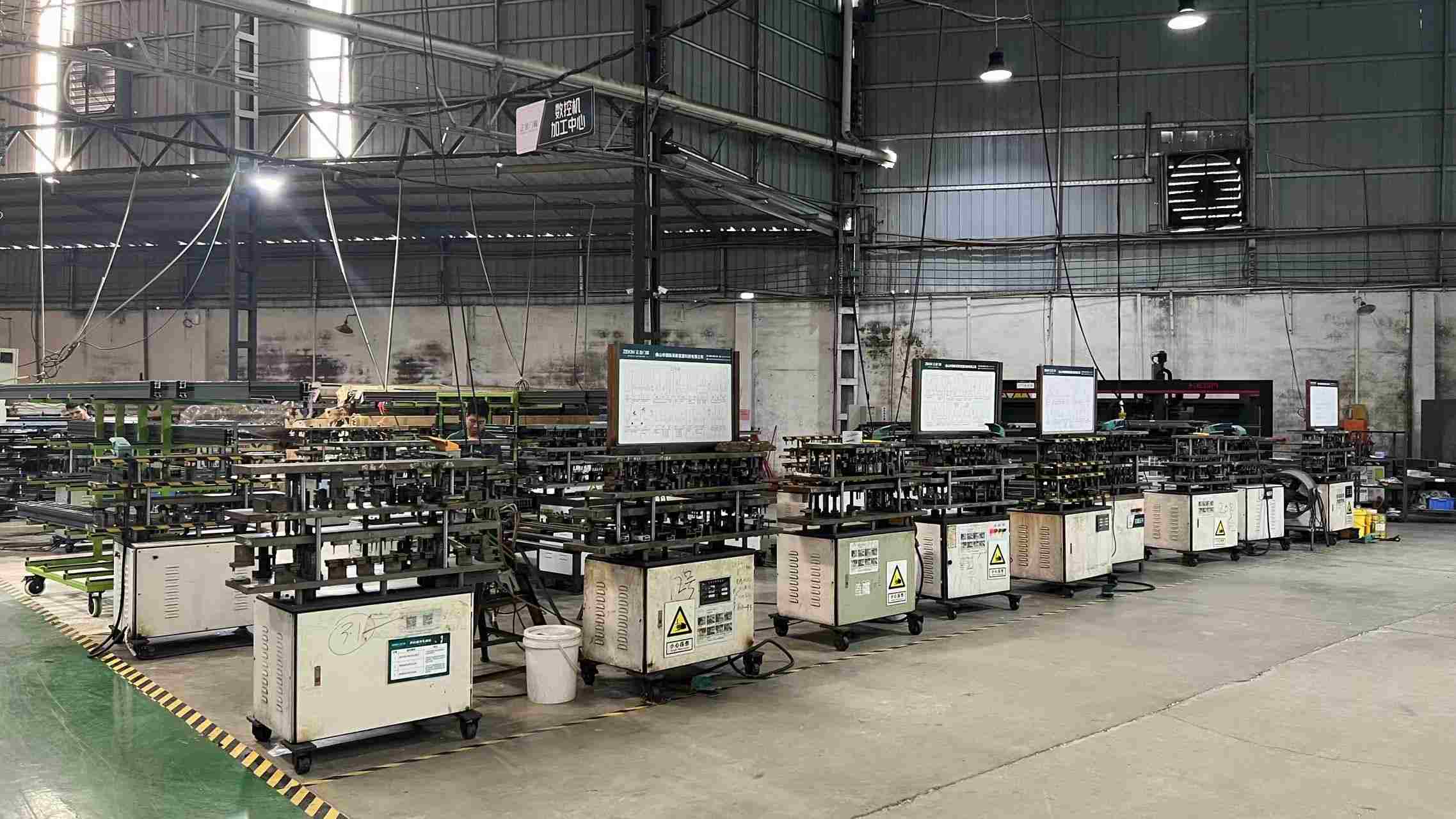
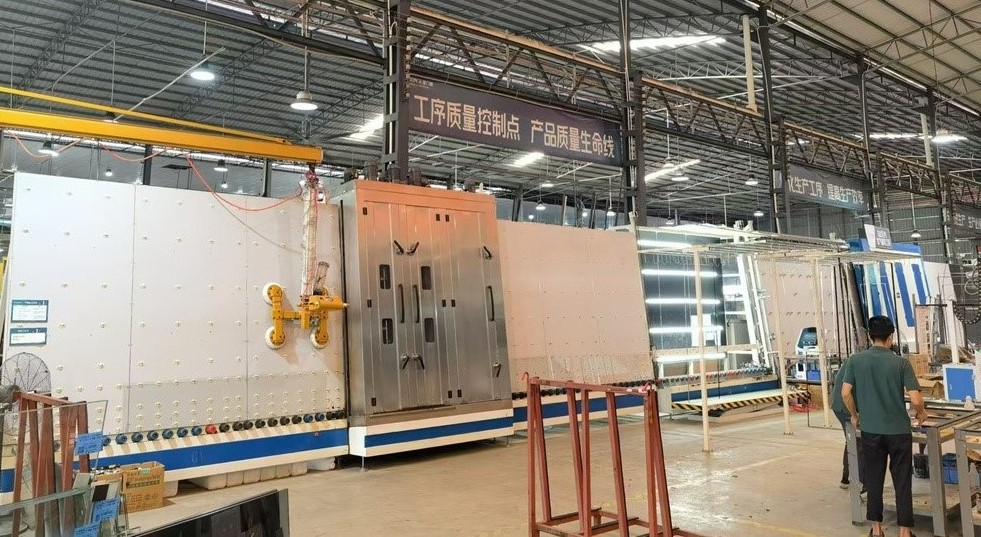
Established in 2014, Wuhan Fortis Building Technology Co., Ltd. spans an expansive production space of 38,000 square meters. Rooted in 12 years of specialized manufacturing experience and 9 years in international export operations, our annual export revenue reaches $34 million. We primarily serve real estate developers, hotel construction companies, and hardware distributors across Europe, North America, and Southeast Asia.
Product reliability is assured by 48 certified QC specialists executing structural stress tests, hardware cycle endurance checks, and salt spray corrosion testing. With a robust network of 950 supply chain suppliers, Fortis provides customized solutions ranging from motorized sliding mechanisms to ultra-narrow frame sightlines. Powered by 60 R&D engineers, the company introduced 75 new energy-efficient window models last year.
Request Corporate Profile & Audit ReportMalaysia’s architectural ecosystem is undergoing a major transformation. Driven by high-density urban expansion in the Klang Valley (Kuala Lumpur), major industrial corridors in Iskandar Malaysia (Johor), and high-tech manufacturing parks in Penang, demand for advanced facade envelope technology has escalated rapidly. Developing structural facades for Malaysia’s built environment requires navigating severe tropical weather dynamics—including extreme solar radiation, micro-burst torrential monsoon rains, dynamic high-altitude wind shear forces, and intense humidity levels.
Tropical weather dynamics present unique engineering hurdles for curtain wall systems. In city centers like Kuala Lumpur and Penang, high-rise buildings face wind velocity pressures ranging from 1.2 kPa up to 3.5 kPa at tower pinnacles. Curtain wall facades designed by Wuhan Fortis incorporate heavy-duty 6063-T6 or 6061-T6 structural aluminum extrusion alloys with reinforced wall thickness (up to 3.0mm–4.0mm) to eliminate structural deflection under tropical storm gusts.
Furthermore, rainwater ingress poses a significant risk to high-rise integrity. Our systems utilize pressure-equalized rainscreen design principles featuring dual-chamber EPDM (Ethylene Propylene Diene Monomer) gasket seals and concealed drainage channels. This guarantees superior performance under ASTM E331 static water penetration resistance tests (exceeding 600 Pa dynamic pressures), ensuring dry interiors even during severe monsoon seasons.
Malaysia’s year-round equatorial sunshine demands facade envelopes capable of rejecting high levels of solar radiation without sacrificing natural interior daylighting. Uncontrolled solar heat gain drastically increases air conditioning HVAC cooling loads, escalating operational expenditures for commercial real estate owners.
To combat this, Fortis integrates Low-Emissivity (Low-E) double-glazed unitized modules engineered with precise Solar Heat Gain Coefficients (SHGC < 0.25) and low U-values (< 1.4 W/m²K). By pairing soft-coat double Low-E solar control glass with high-density polyamide thermal break strips (PA66GF25), our curtain walls block over 78% of infrared thermal energy while permitting visible light transmittance (VLT > 45%). This thermal isolation directly assists property developers in achieving GBI Gold and Platinum certifications.
Acoustic comfort is vital in urban centers such as Bukit Bintang, Petaling Jaya, and Johor Bahru. Traffic noise, LRT mass transit vibrations, and municipal activities generate noise levels exceeding 75 dB. Fortis unitized curtain wall panels are engineered with asymmetrical acoustic laminated glass configurations (e.g., 8mm toughened + 1.52mm PVB + 6mm glass with a 12mm argon gas gap). This structure reduces urban acoustic transmission by up to 45 dB, ensuring serene indoor environments for luxury hotels, Grade-A office buildings, and high-end residential towers.
In coastal zones such as Penang Island, Melaka, and Kota Kinabalu, atmospheric salt spray rapidly oxidizes unprotected metal finishes. Fortis applies high-durability fluorocarbon (PVDF) 3-coat spray finishes and anodized surface coatings conforming to AAMA 2605 specifications. Our coatings undergo rigorous 3,000-hour salt spray testing within our certified testing labs, guaranteeing resistance against pitting corrosion, chalking, and UV discoloration over a 25-year service lifespan.
How next-generation curtain wall manufacturing is driving zero-carbon buildings and smart city infrastructure globally.
Transitioning from traditional stick-built facades to factory-assembled unitized modules reduces job-site installation timelines by up to 60%. Pre-assembled units complete with glass, gaskets, and structural silicone undergo 100% factory QA, ensuring structural integrity and eliminating weather-related site delays.
Transforming standard building envelopes into clean energy generators. Our smart BIPV curtain walls integrate cadmium telluride (CdTe) or crystalline silicon solar cells directly into the outer architectural glass, producing green electricity for high-rise commercial structures.
Utilizing low-voltage electrical impulses to dynamically tint window surfaces based on outdoor solar intensity. Electrochromic glazing reduces total building glare and lowers summer peak air conditioning demand by up to 30%, optimizing indoor visual comfort.
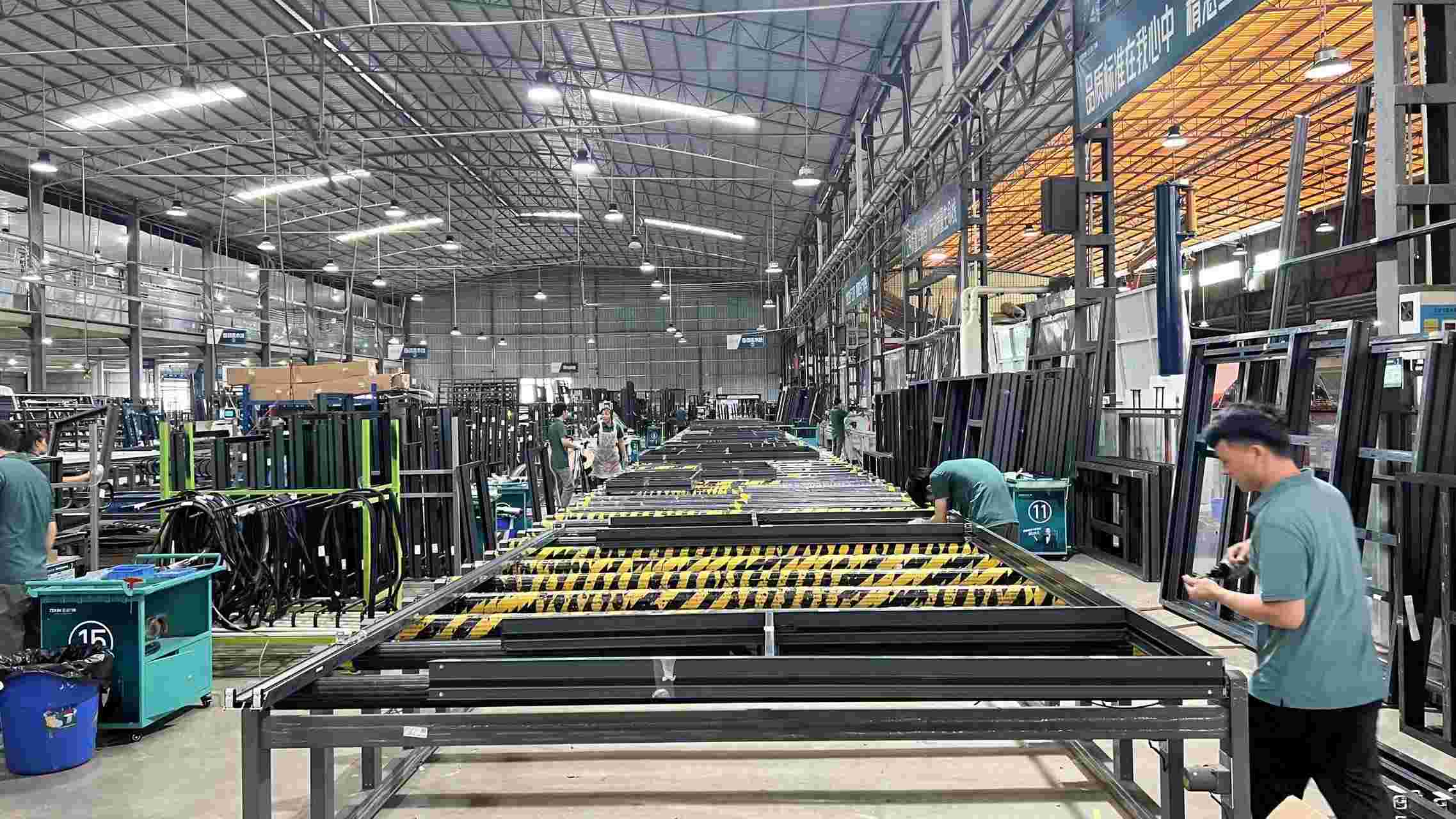
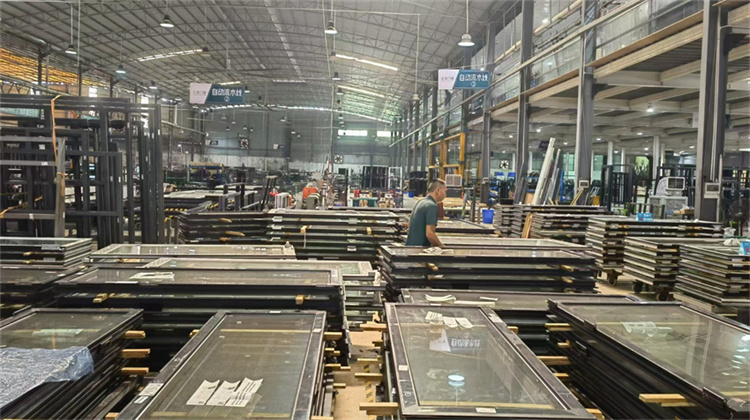
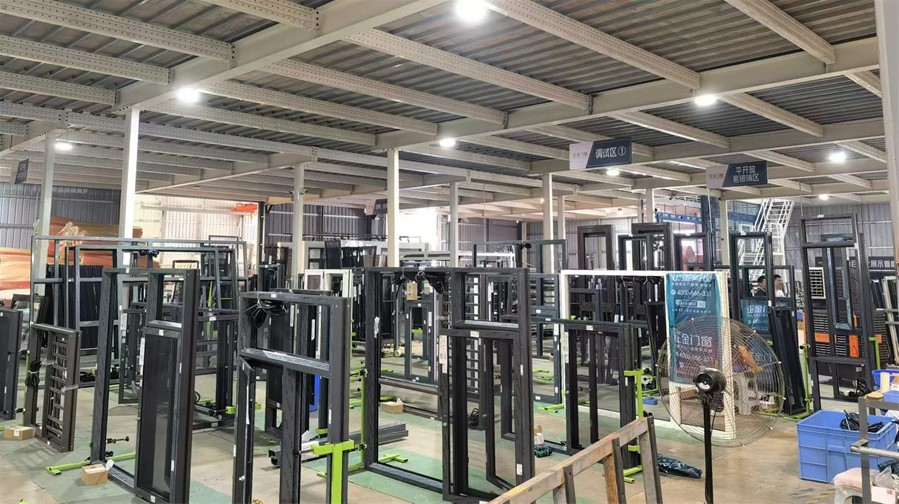
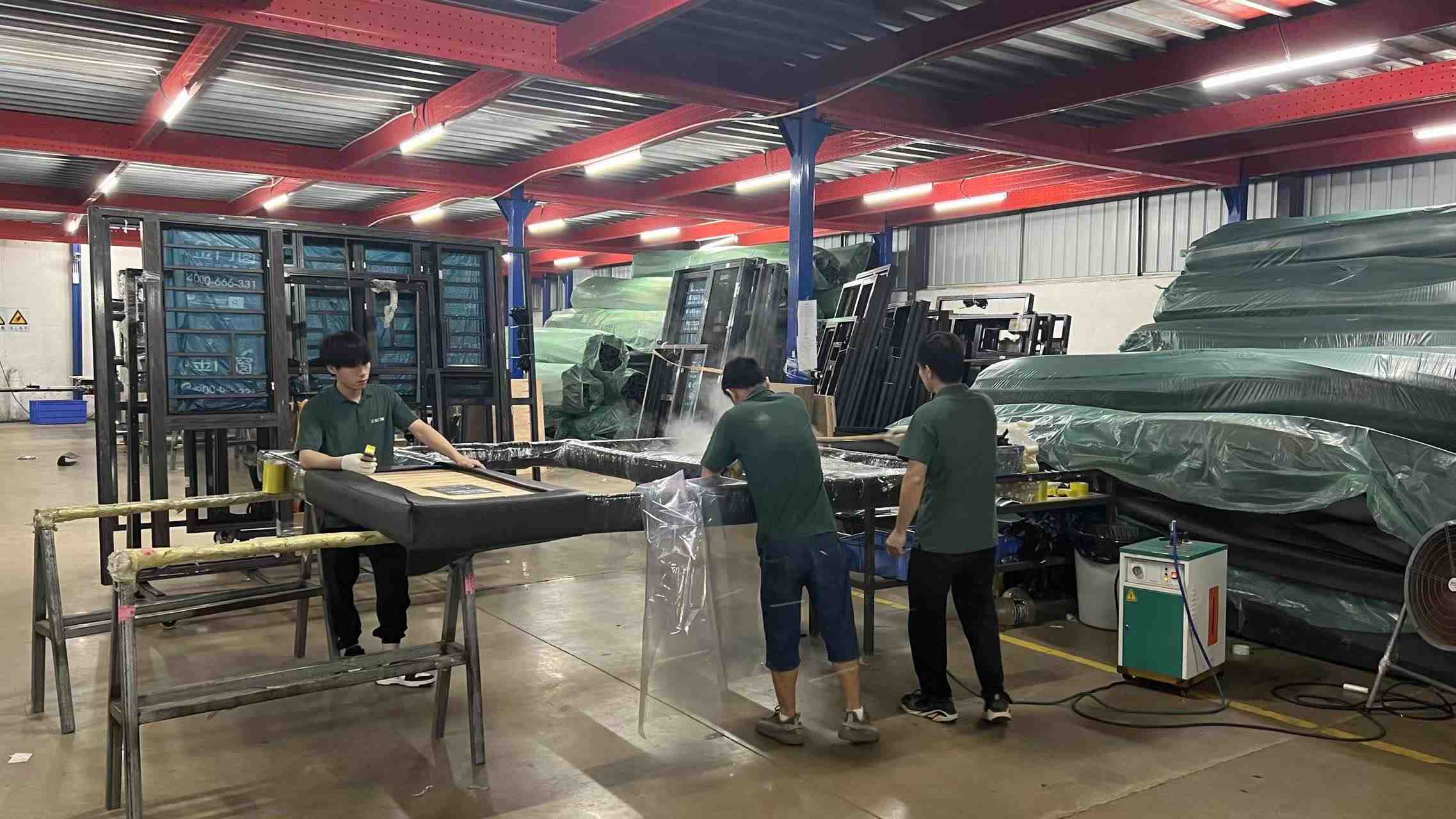
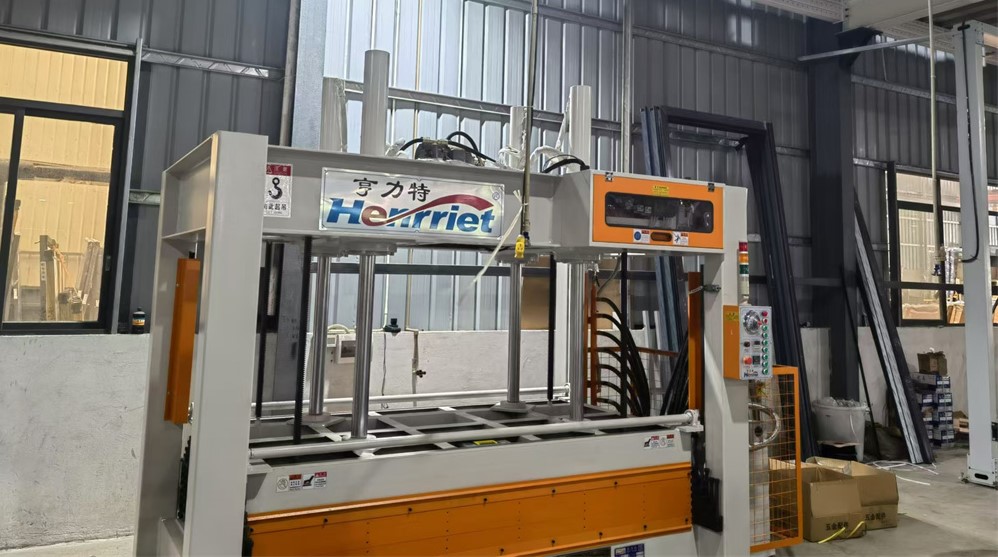
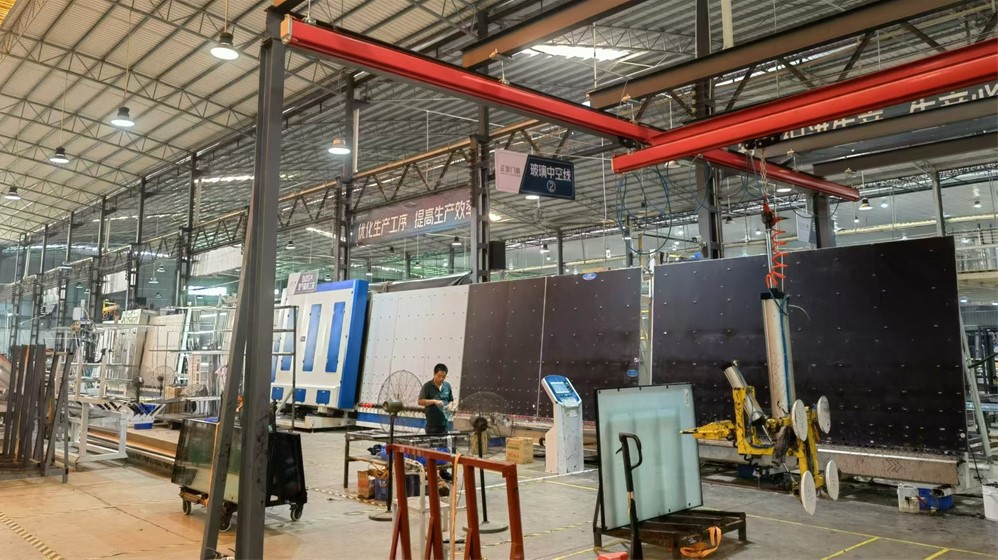
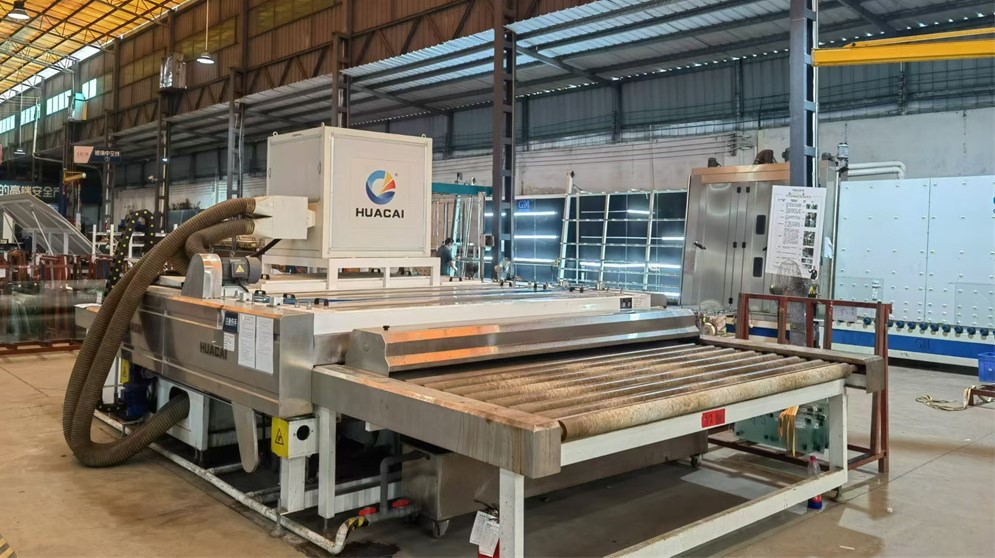
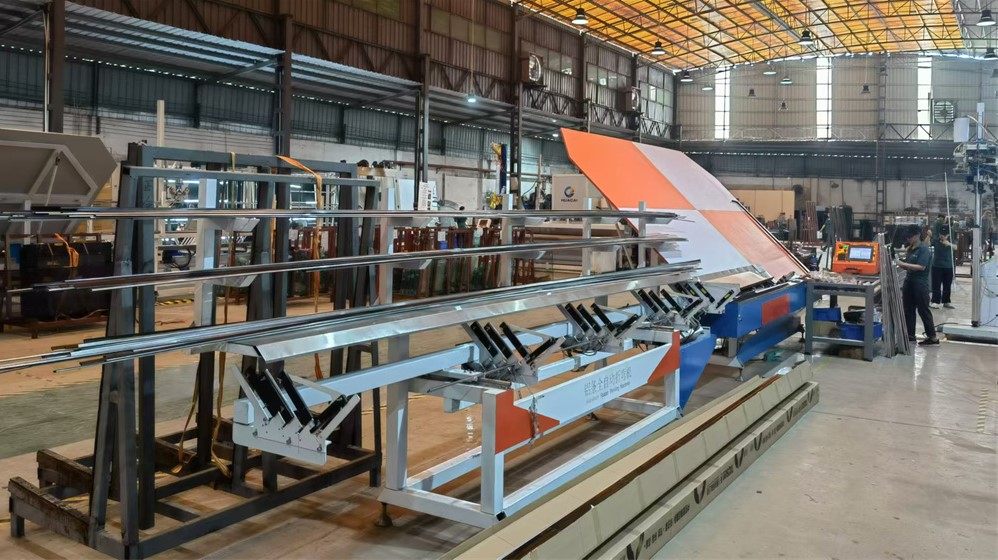
Inside Wuhan Fortis: Precision CNC machining, automated insulating glass assembly lines, and rigorous quality control routines across 38,000 square meters.
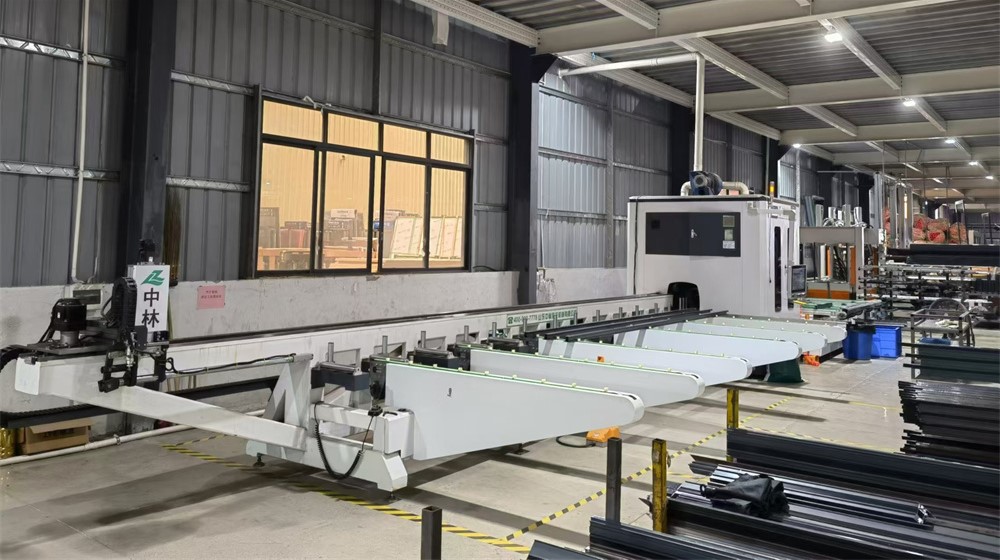
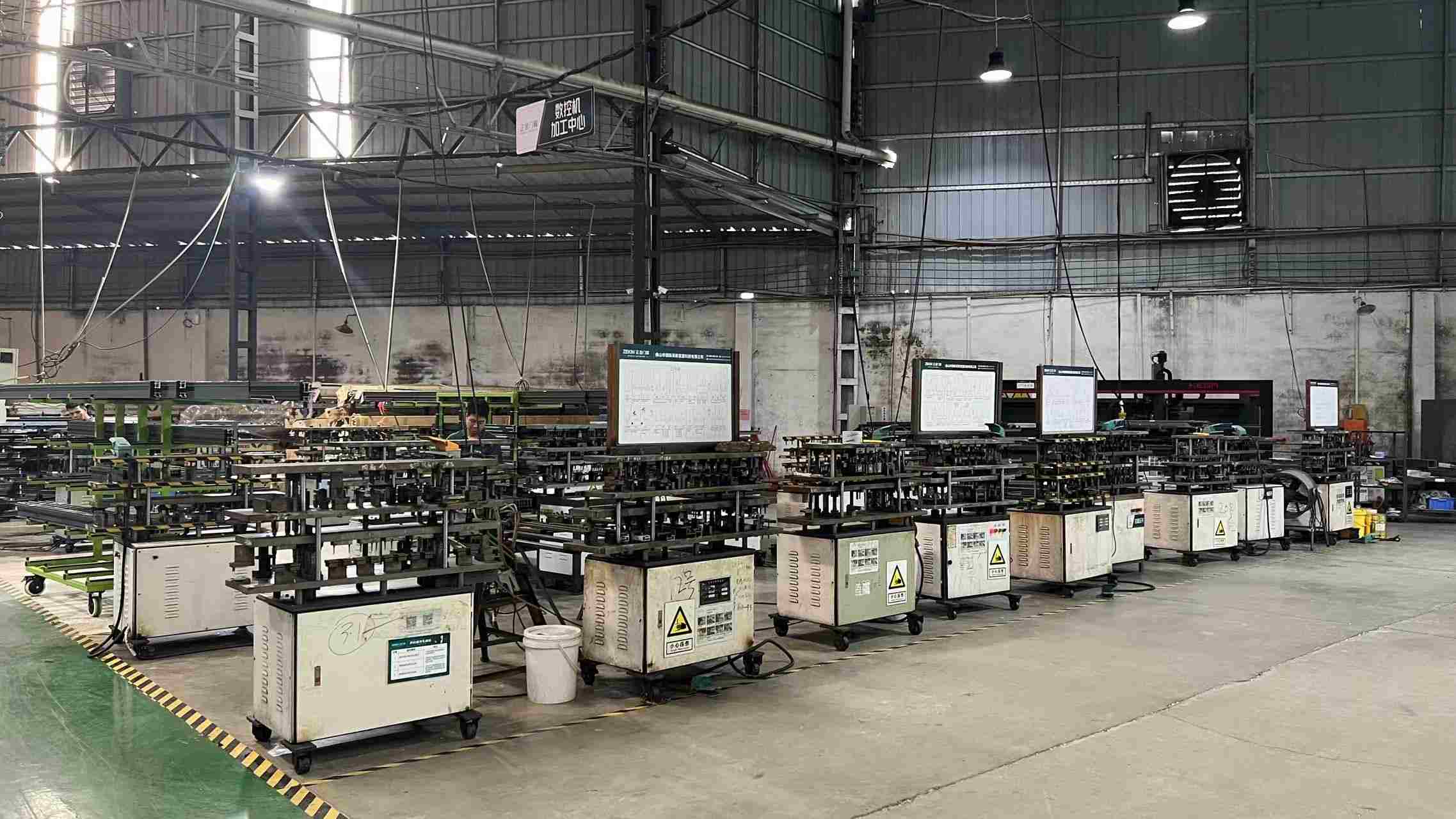
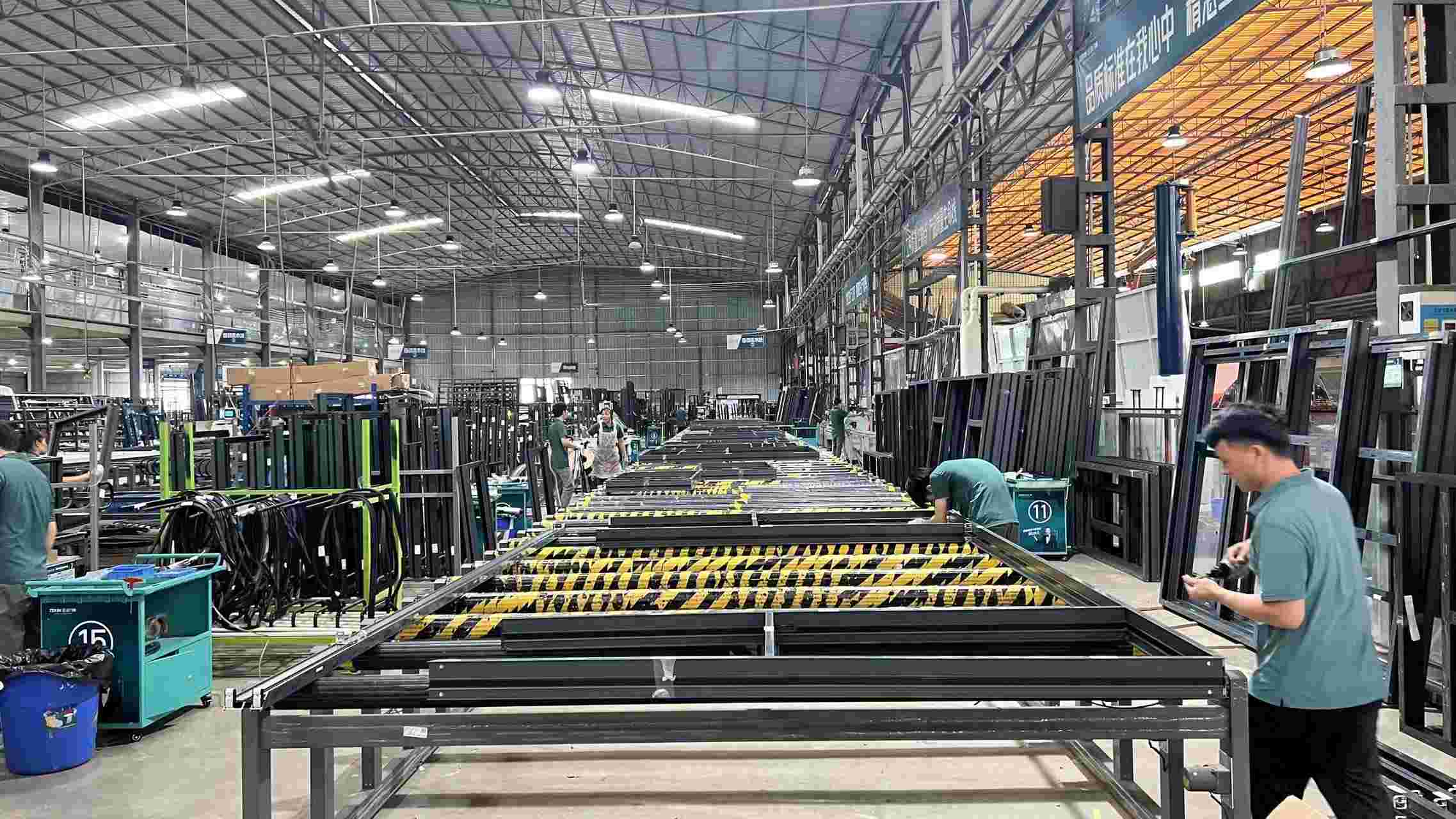
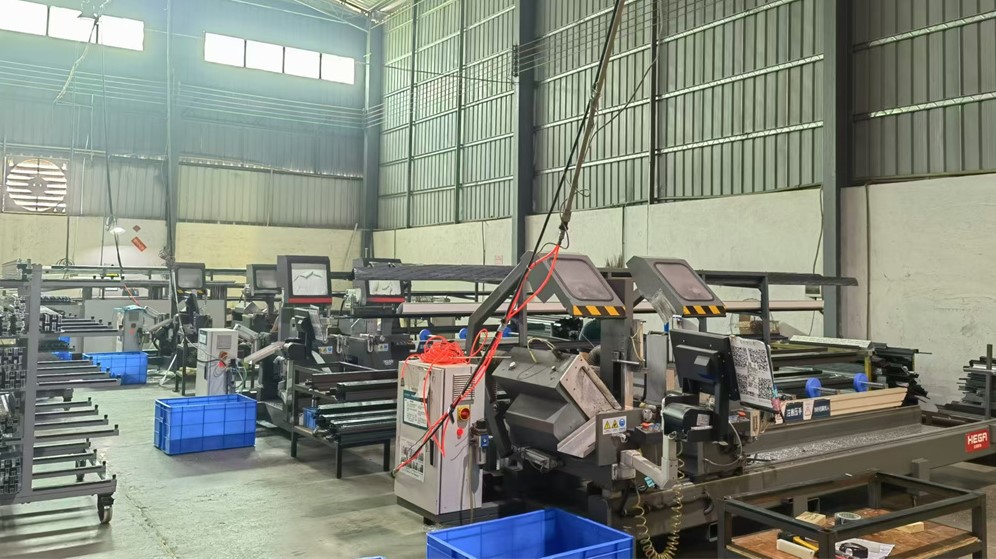
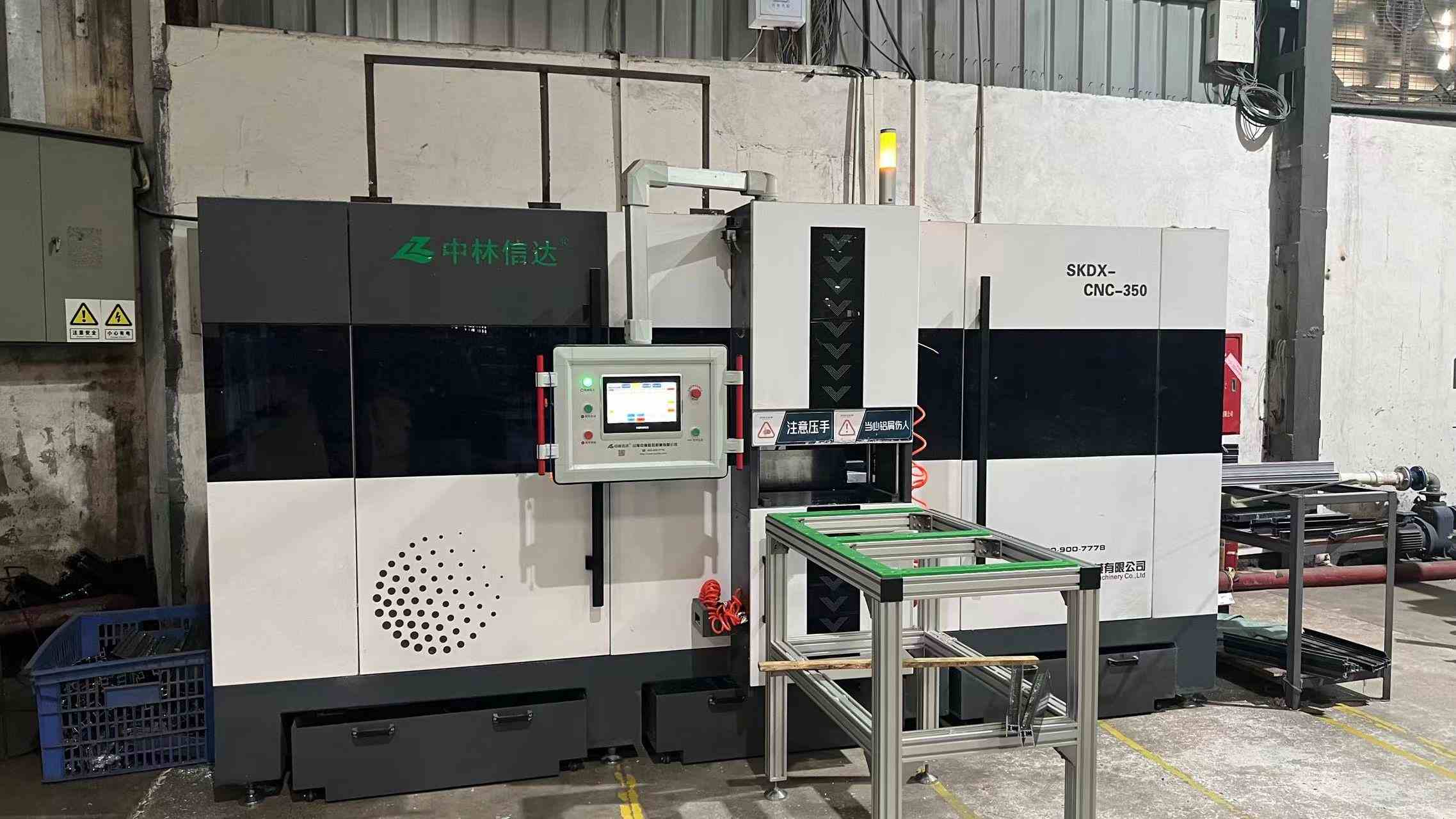
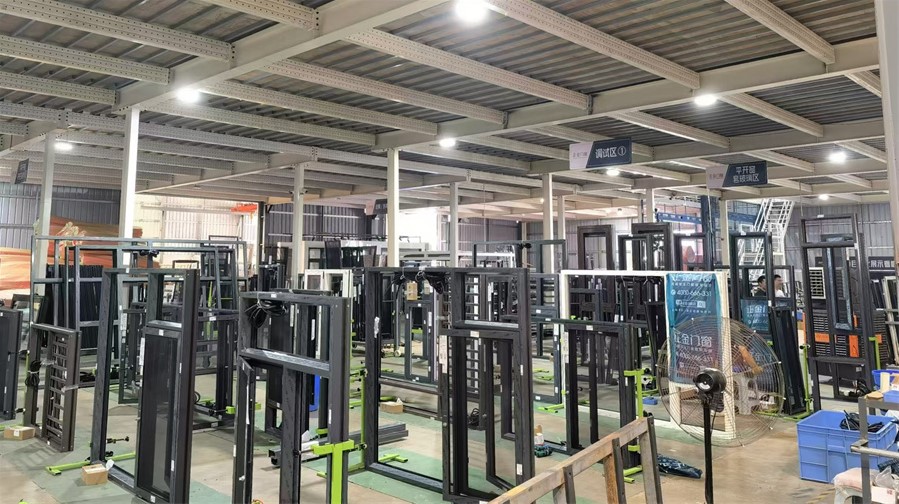
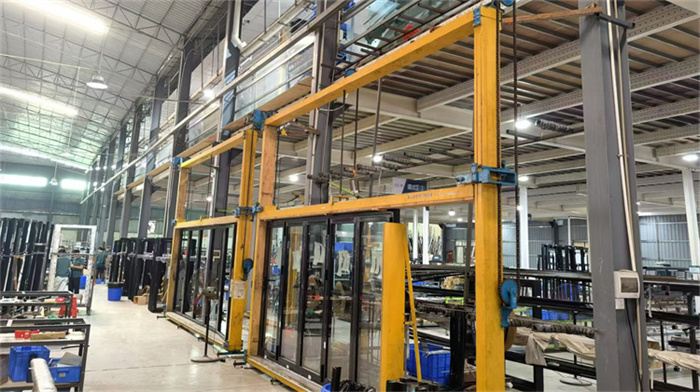
Tailored architectural engineering designed to meet the aesthetic, acoustic, and structural needs of specific commercial niches.
Designed for urban icons in Greater Kuala Lumpur. Features integrated structural glazing, automated motorization for window vents, and custom exterior aluminum fins to provide natural shading while accentuating vertical lines.
Engineered for high-end coastal developments in Penang, Langkawi, and Desaru Coast. Focuses on expansive panoramic views with ultra-narrow sightlines, high wind-driven rain rejection, and C5-M marine-grade hardware systems.
Optimized for logistics hubs and data centers in Cyberjaya and Iskandar Malaysia. Prioritizes thermal insulation, high security, sound dampening, and fire-rated aluminum composite facade cladding.
Answers to common structural, logistics, and compliance inquiries from Malaysian real estate developers and facade consultants.
Complete line of engineered window, door, and curtain wall solutions tailored for export markets.
Contact our structural engineering team today for custom shop drawings, wind load calculations, and competitive direct-from-factory quotations.
Send Inquiry Now Fortis Window