High-Performance Thermal Break, Seismic-Resistant & Architectural French Door Systems Engineered for Japan's ZEH Building Standards
Discover our flagship exterior and interior French door systems designed to meet Japan’s stringent JIS certification, thermal insulation mandates, and extreme weather durability requirements.
Featuring PA66 nylon thermal insulation strips and low-E triple glazing, achieving U-values as low as 1.1 W/m²K tailored for Tokyo residential energy-efficiency goals.
Request Japan Specs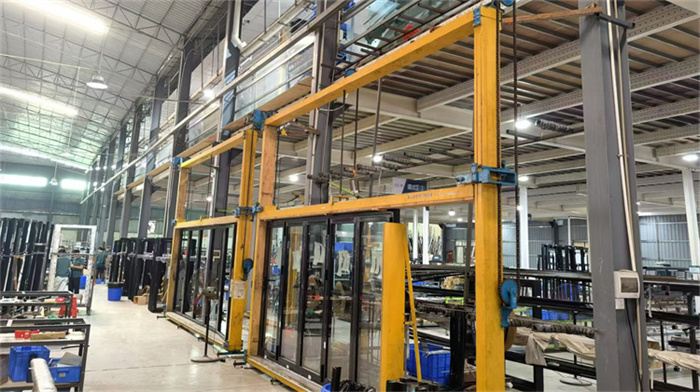
Reinforced structural aluminum profile (6063-T6) with multi-point stainless steel latching systems. Engineered to absorb seismic movement up to Grade 7 intensity.
Request Japan Specs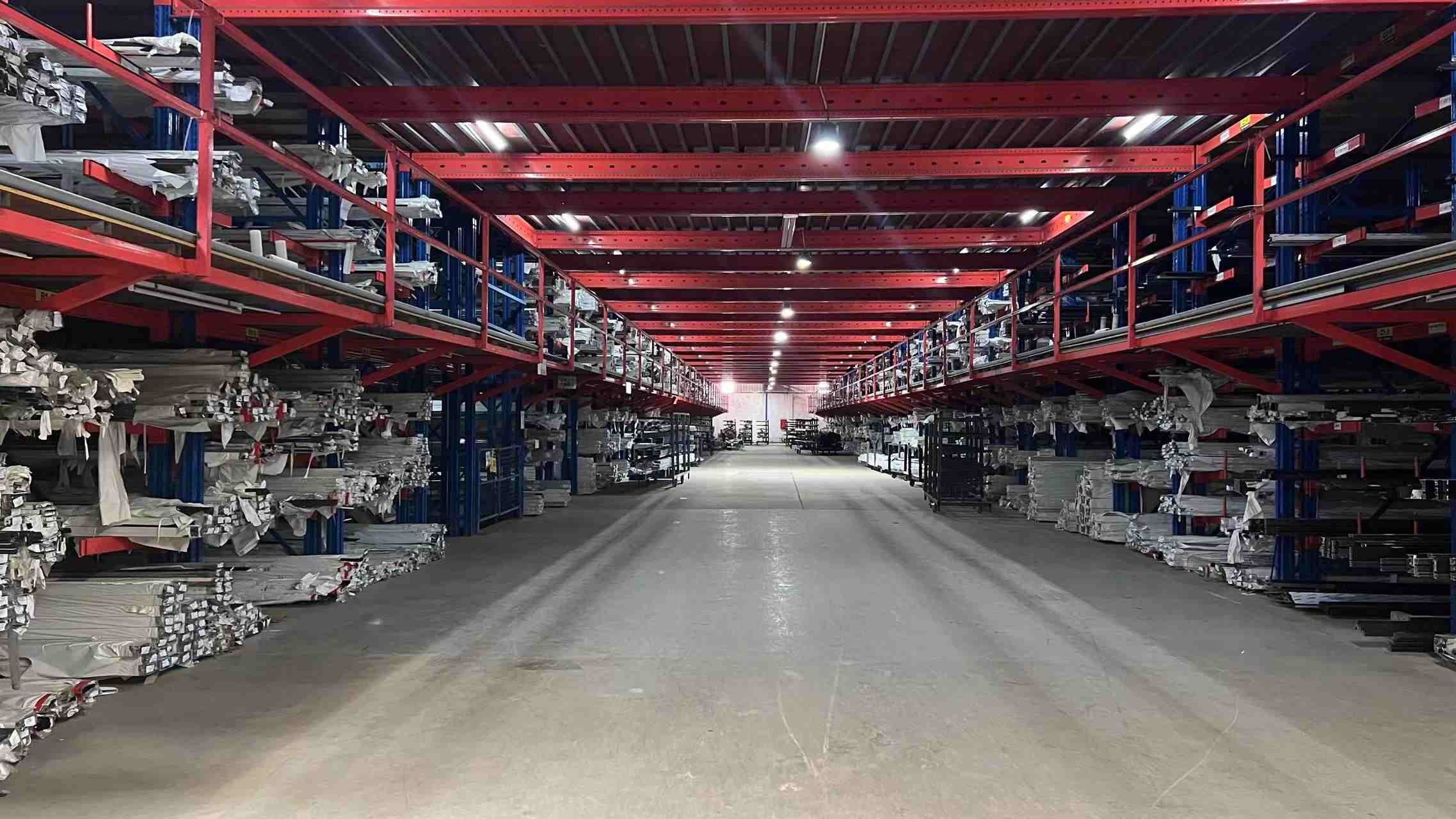
Designed with multi-layered EPDM gaskets and continuous water-drainage channels, delivering wind load resistance up to 3600 Pa for coastal Japanese regions.
Request Japan Specs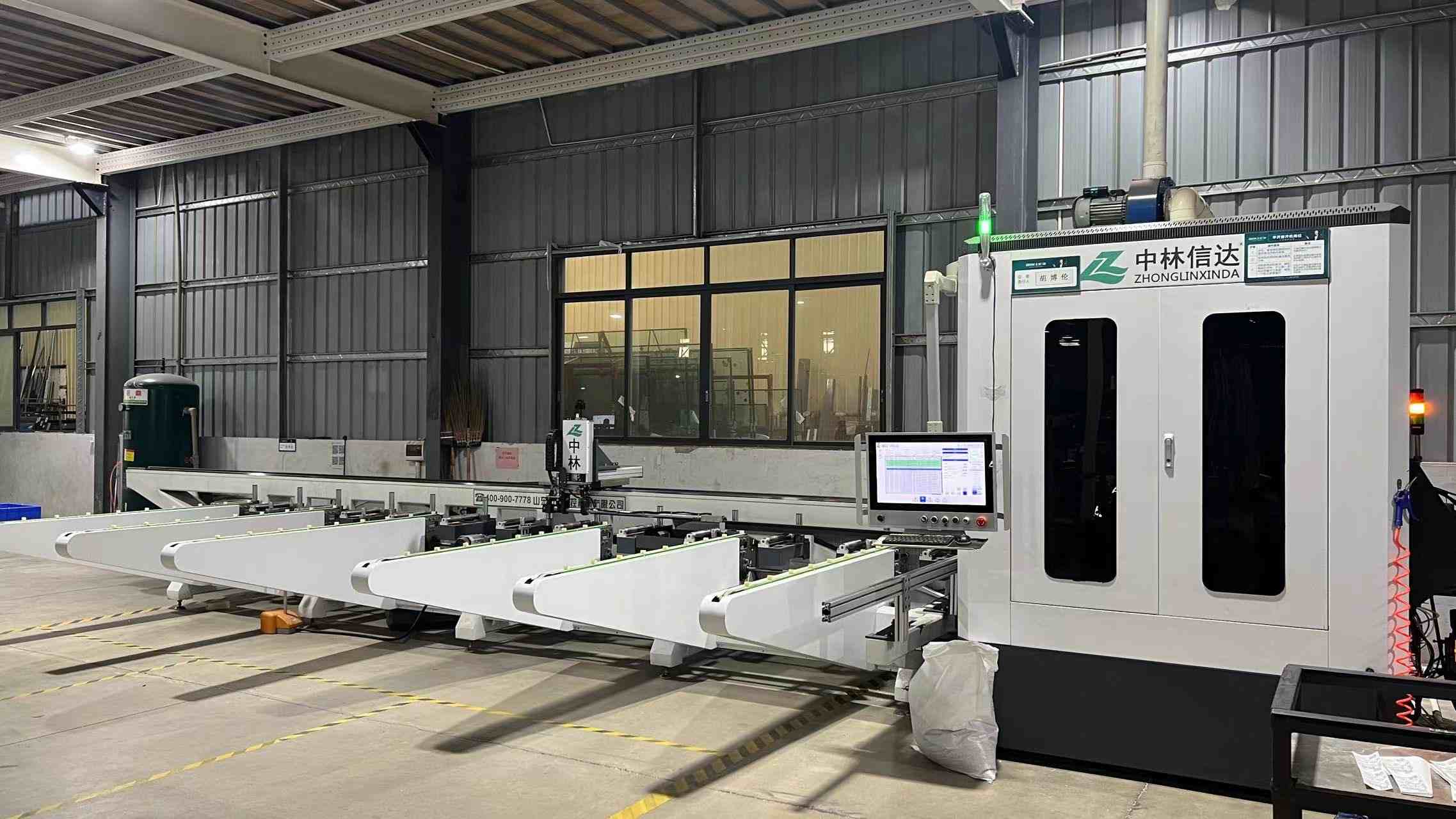
Ultra-narrow sightline framing with acoustic laminated glass, providing T-3 noise reduction (35dB+) for high-end Japanese boutique hotels and traditional ryokan modernizations.
Request Japan SpecsEstablished in 2014, Wuhan Fortis Building Technology Co., Ltd. spans an expansive production space of 38,000 square meters. Rooted in 12 years of specialized manufacturing experience and 9 years in international export operations, our annual export revenue reaches $34 million. We primarily serve real estate developers, hotel construction companies, and hardware distributors across Europe, North America, Southeast Asia, and specifically the demanding Japanese market.
Product reliability is assured by 48 certified QC specialists executing structural stress tests, hardware cycle endurance checks, and salt spray corrosion testing. With a robust network of 950 supply chain suppliers, Fortis provides customized solutions ranging from motorized sliding mechanisms to ultra-narrow frame sightlines. Powered by 60 R&D engineers, the company introduced 75 new energy-efficient window models last year.
Understanding the technical, cultural, and environmental drivers shaping the demand for high-performance fenestration systems in Japan.
Japan’s Ministry of Land, Infrastructure, Transport and Tourism (MLIT) has aggressively pushed for Net Zero Energy Houses (ZEH) and ZEH-M (multi-family buildings) compliance. Standard single or double-glazed French doors fail to meet regional thermal insulation performance requirements (U-values ≤ 1.3 to 1.9 W/m²K depending on the climate zone from Hokkaido to Kyushu). Fortis supplies advanced thermal barrier profiles utilizing high-density Polyamide PA66GF25 thermal breaks and Low-E double/triple argon-filled glass units specifically designed to eliminate condensation and reduce HVAC thermal loads in Japanese residential complexes.
Given Japan’s high seismic activity, building components must withstand dynamic shear forces without structural failure or glass shatter. Fortis French door frames integrate floating corner connectors, flexible structural silicone sealant channels, and high-tensile 6063-T6 aluminum alloys. These engineering parameters allow controlled micro-deformations under earthquake stresses while maintaining air and water tightness post-seismic events, fulfilling Japanese Building Standard Law (BSL) safety parameters.
In dense Japanese metropolitan zones such as Tokyo, Yokohama, and Osaka, maximizing natural daylight while minimizing profile footprint is critical. Contemporary Japanese architectural aesthetics favor ultra-narrow sightlines ("Sukkiri" design language). Fortis French doors feature slim-frame profile designs with hidden hinges and multi-point concealed flush bolts, allowing maximum daylight transmission into interior spaces without sacrificing mechanical load capacity.
Technical Insight for Japanese General Contractors: Our custom French door series engineered for Japan integrates dual-flush sill options (barrier-free flat sills conforming to Japanese accessibility guidelines) combined with hidden drainage slots that prevent rain backflow during heavy Pacific monsoon rains and typhoon seasons.
Engineered to exceed Japanese Industrial Standards (JIS A 4702 / JIS A 4706) for structural integrity, airtightness, and thermal performance.
| Performance Indicator | JIS / Japanese Standard Test Target | Fortis Engineered French Door Benchmark | Structural / Material Engineering Detail |
|---|---|---|---|
| Wind Pressure Resistance | JIS A 4702 Class S-5 (2400 Pa) ~ S-6 (3000 Pa) | Exceeds S-6 (Up to 3600 Pa / Grade 16 Typhoon) | 6063-T6 Extruded Aluminum Profile, 2.0mm - 2.5mm Wall Thickness |
| Water Tightness | JIS A 4702 Class W-5 (500 Pa) | Class W-5 (750 Pa continuous rating) | EPDM Dual-Layer Vulcanized Gaskets & Pressure Equalized Drainage |
| Air Infiltration Rate | JIS A 4702 Class A-4 (2.0 m³/h·m²) | Class A-4 (0.8 m³/h·m²) | Concealed Multi-Point Locking Gears by Siegenia / HOPPE Hardware |
| Thermal Transmittance (U-Value) | JIS A 2102-1 H-5 Grade (≤ 2.33 W/m²K) | H-6 Grade (U ≤ 1.1 - 1.3 W/m²K) | 24mm - 34mm Polyamide PA66 Thermal Break with Argon Gas Low-E Glass |
| Acoustic Insulation | JIS A 4702 Class T-2 (30 dB reduction) | Class T-3 ~ T-4 (35 dB - 42 dB reduction) | Double/Triple Glazed Laminated Acoustic PVB Film Configuration |
| Operating Durability Cycle | JIS Standard 100,000 Cycles | 200,000 Cycles (Certified) | Heavy-Duty Stainless Steel 304/316 Concealed Friction Hinges |
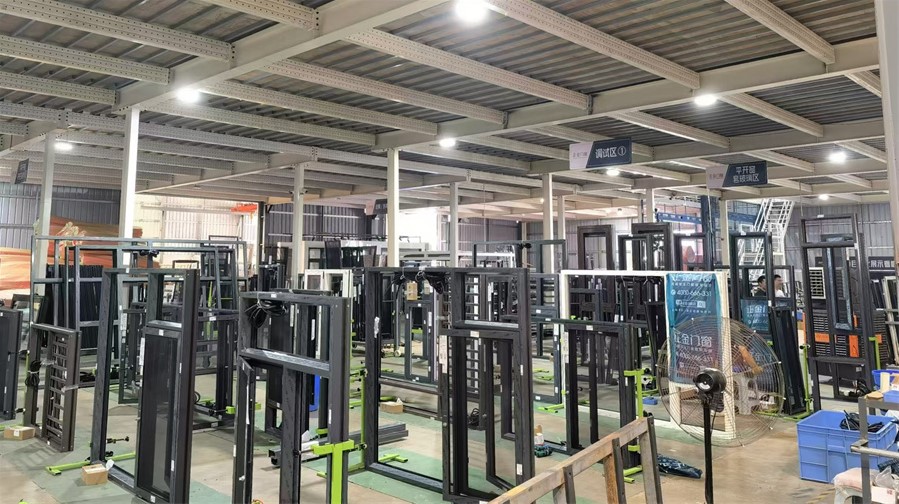
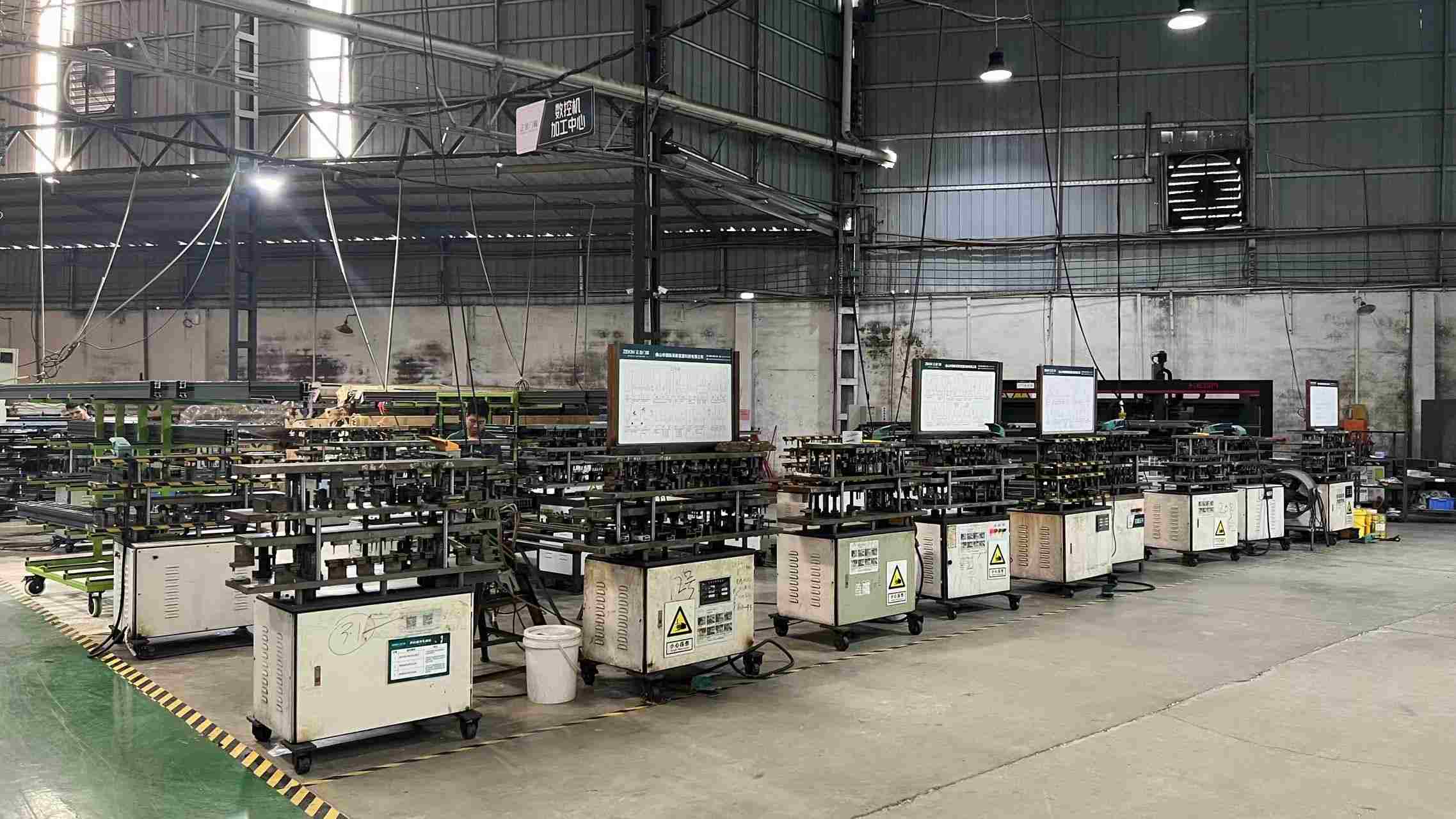
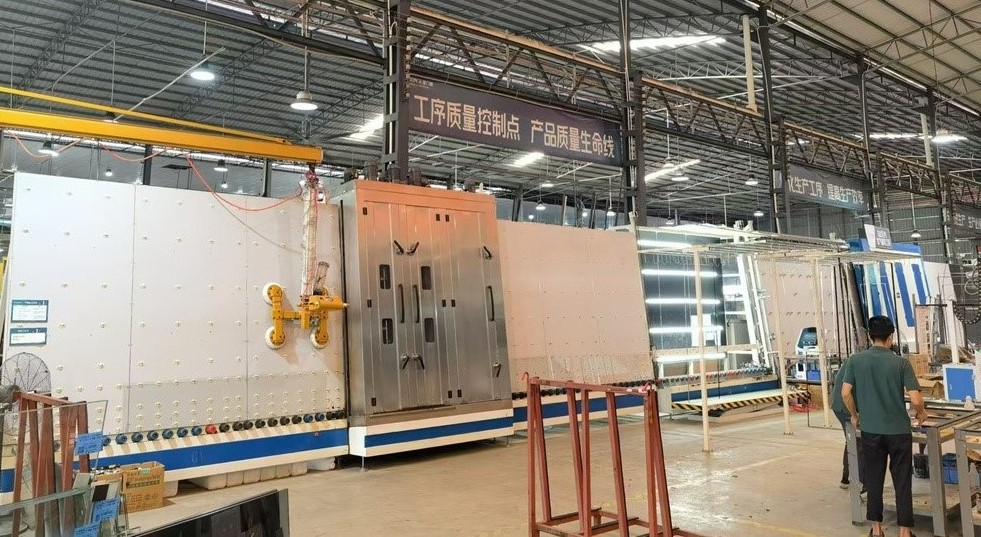
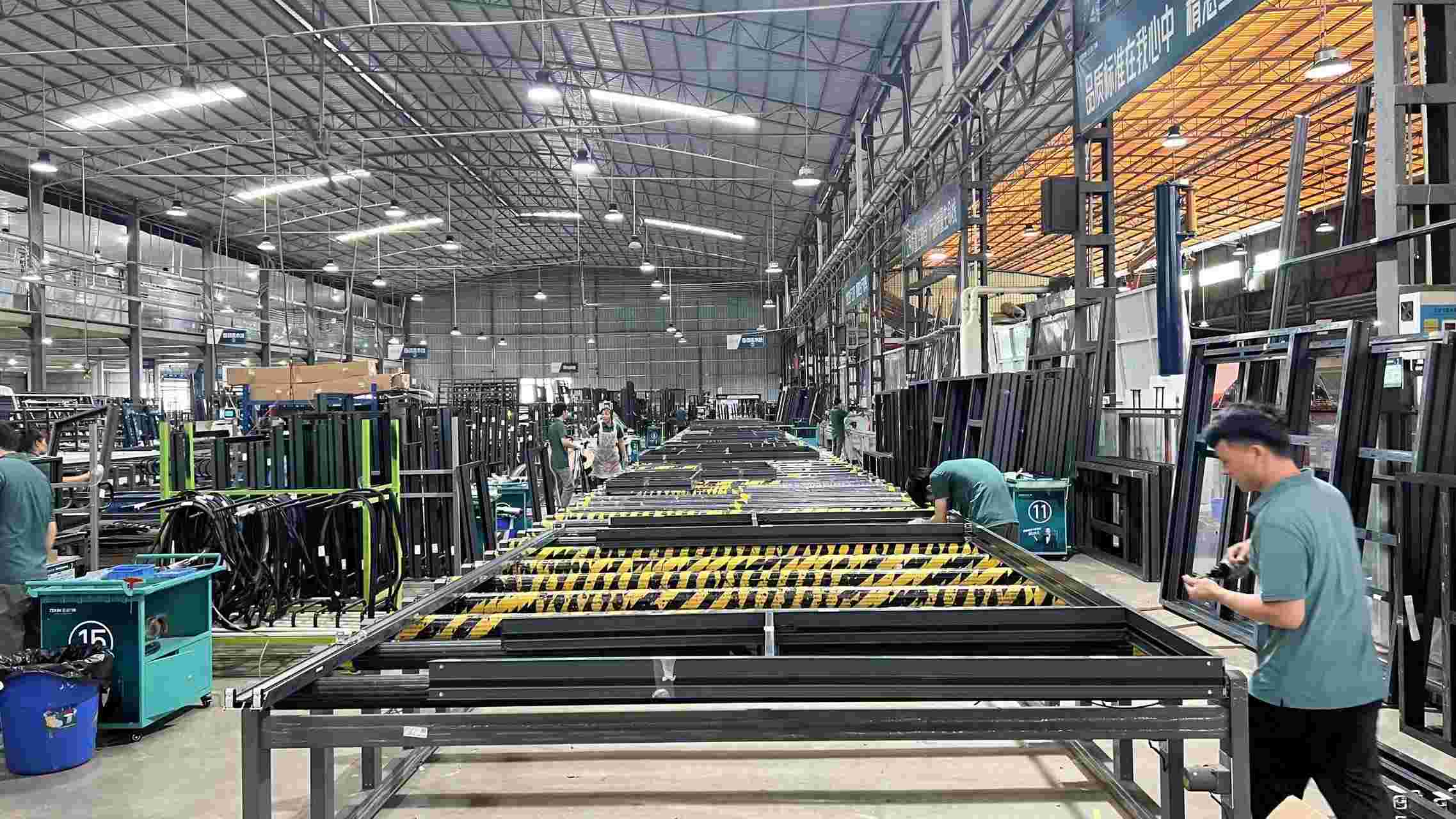
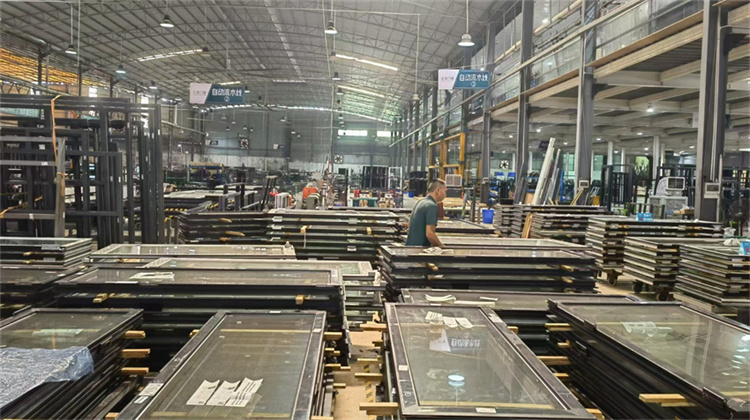
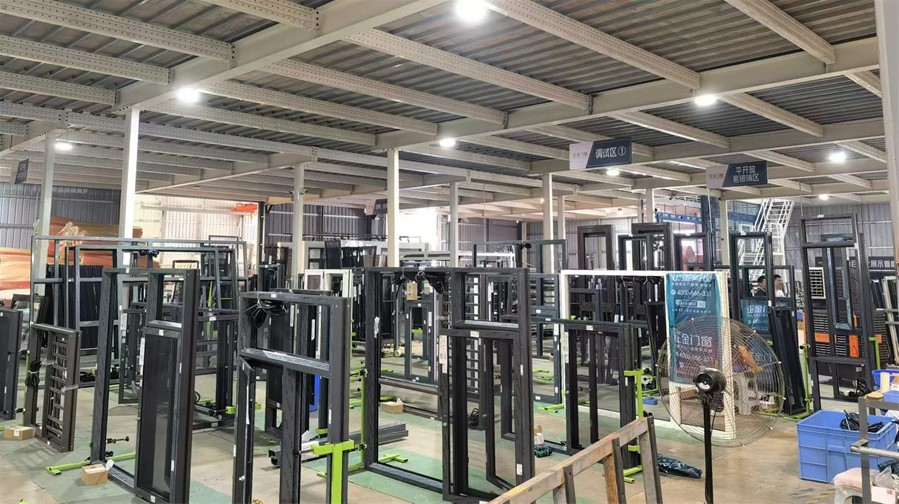
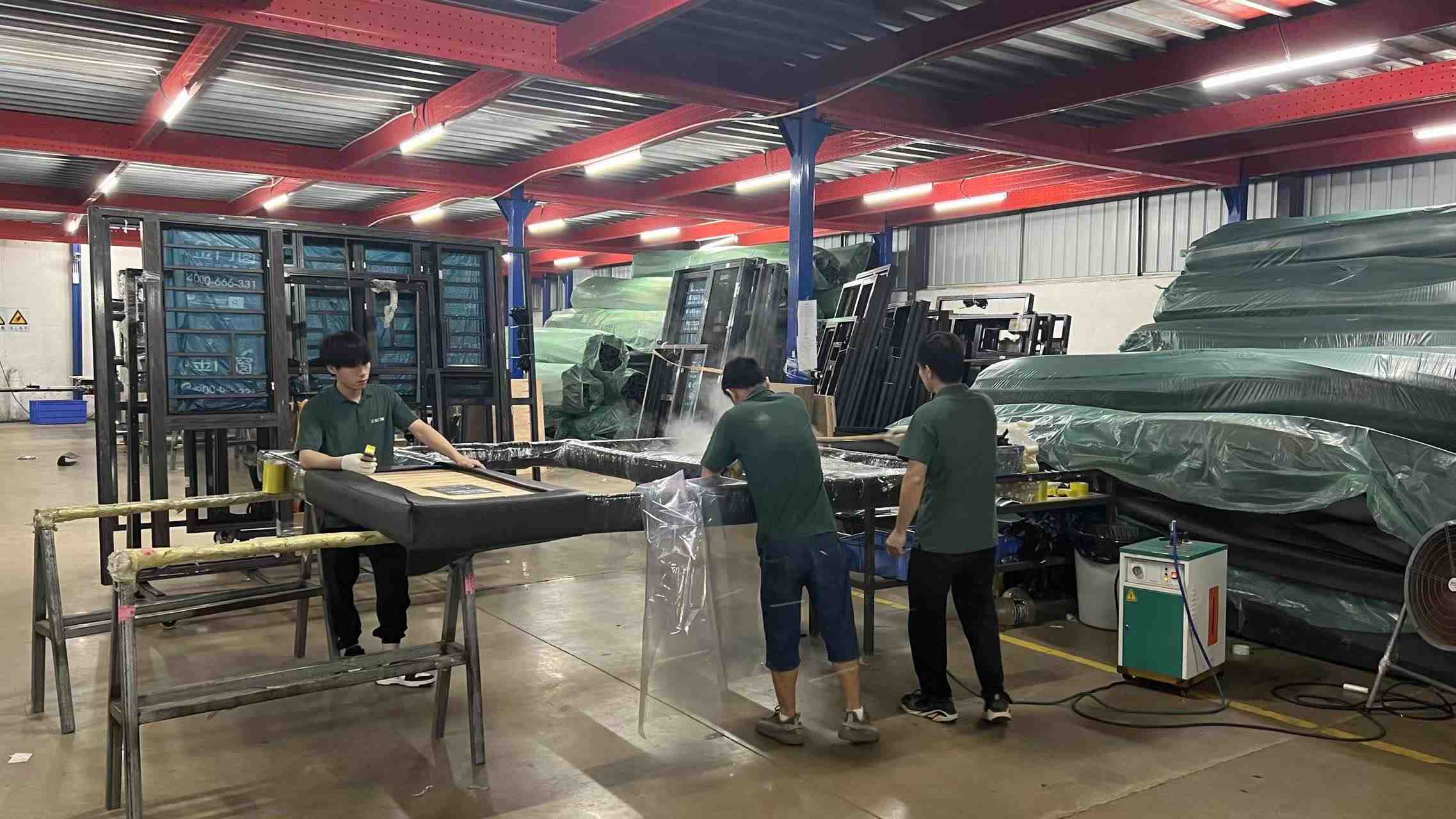
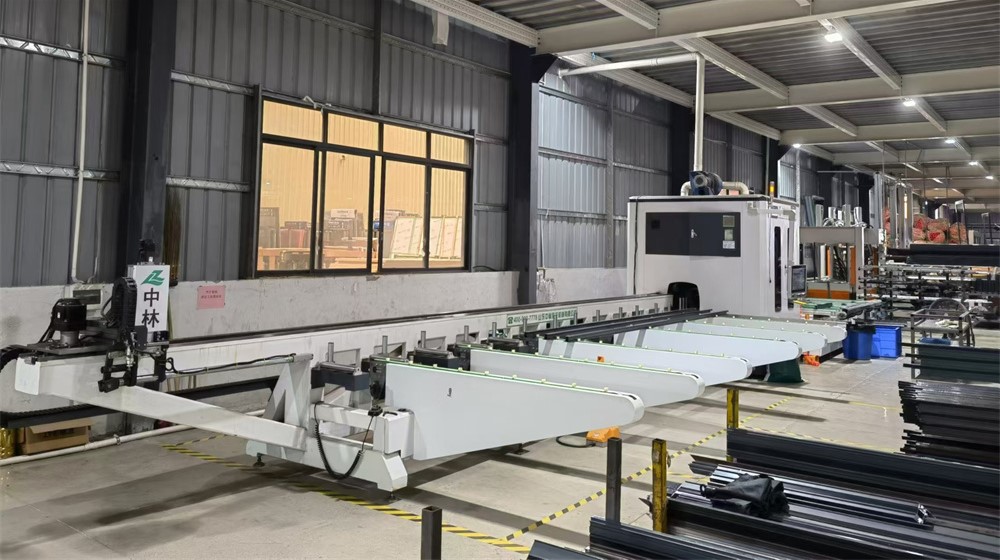
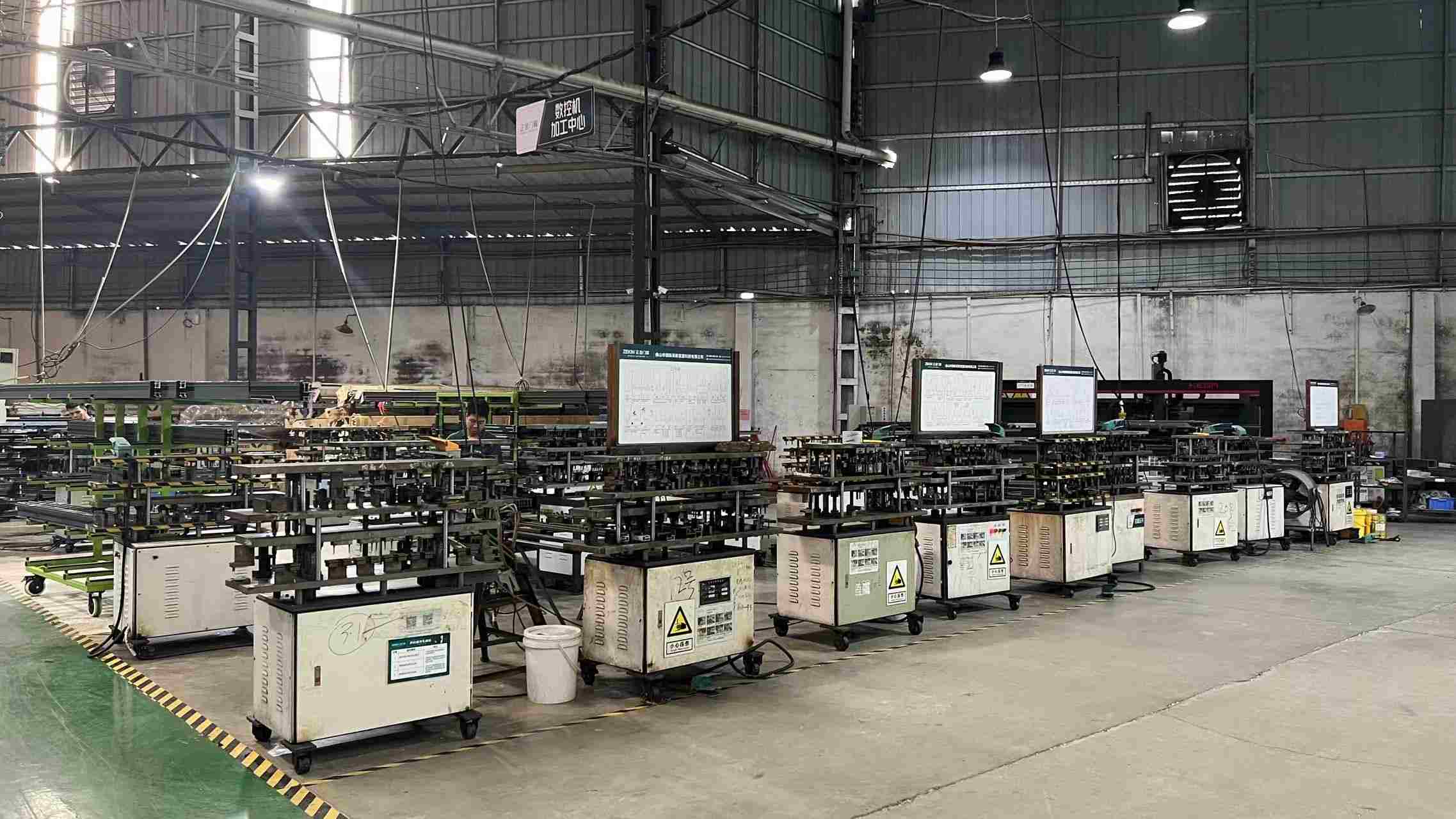
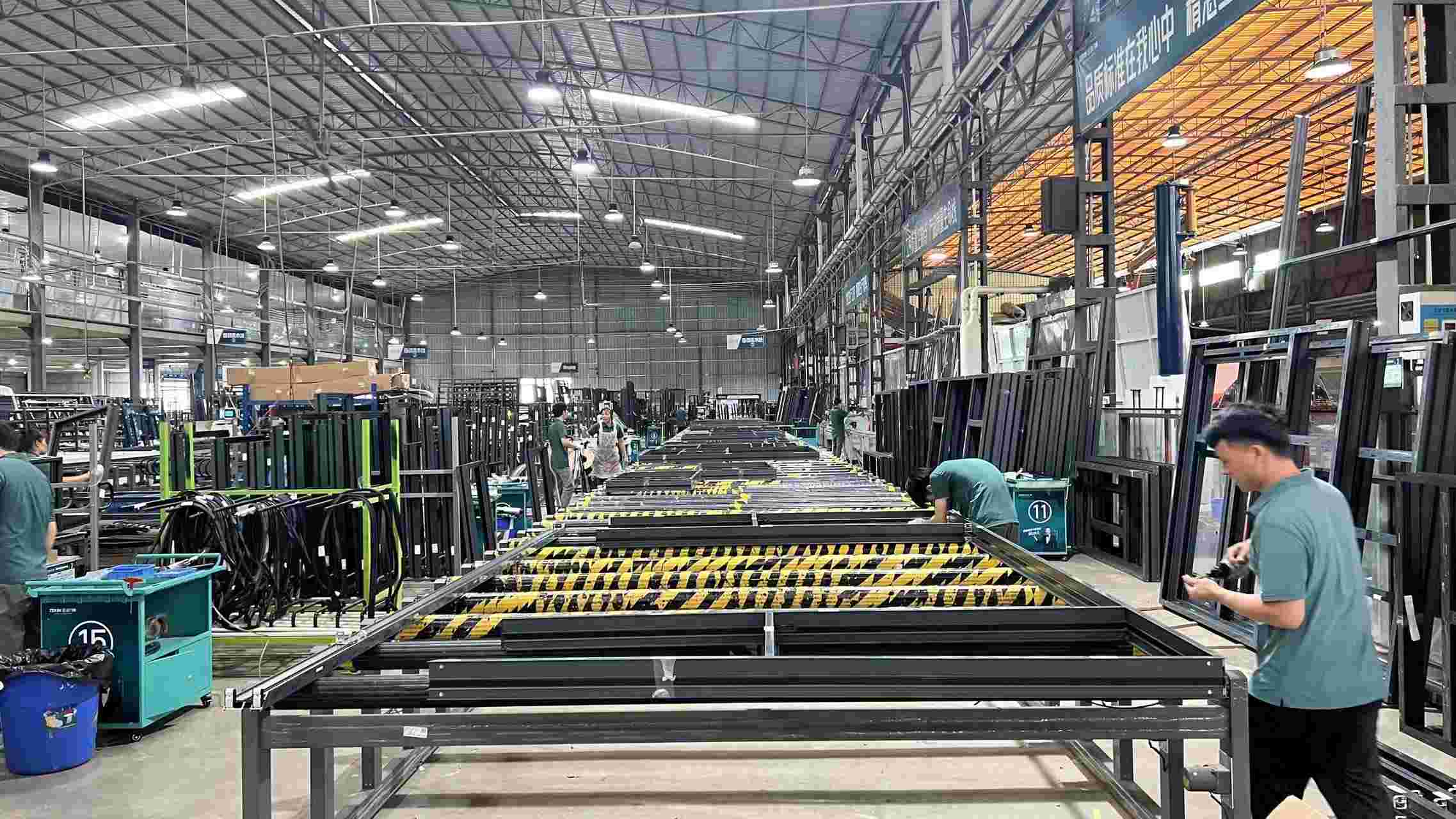
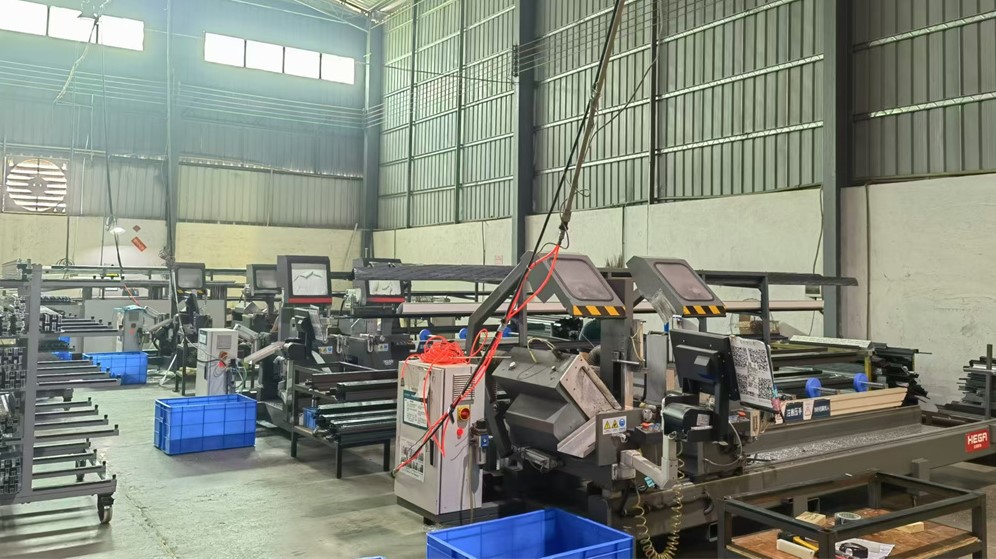
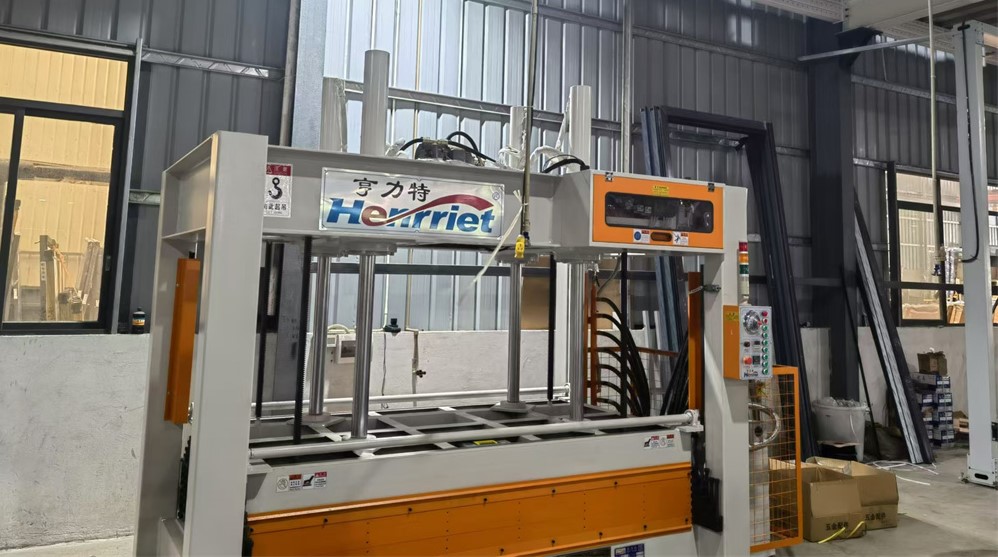
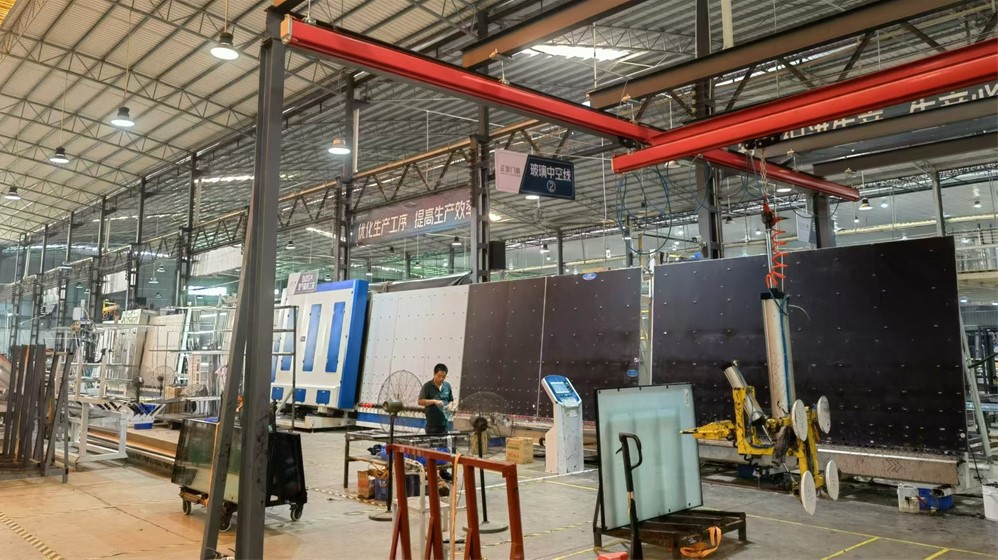
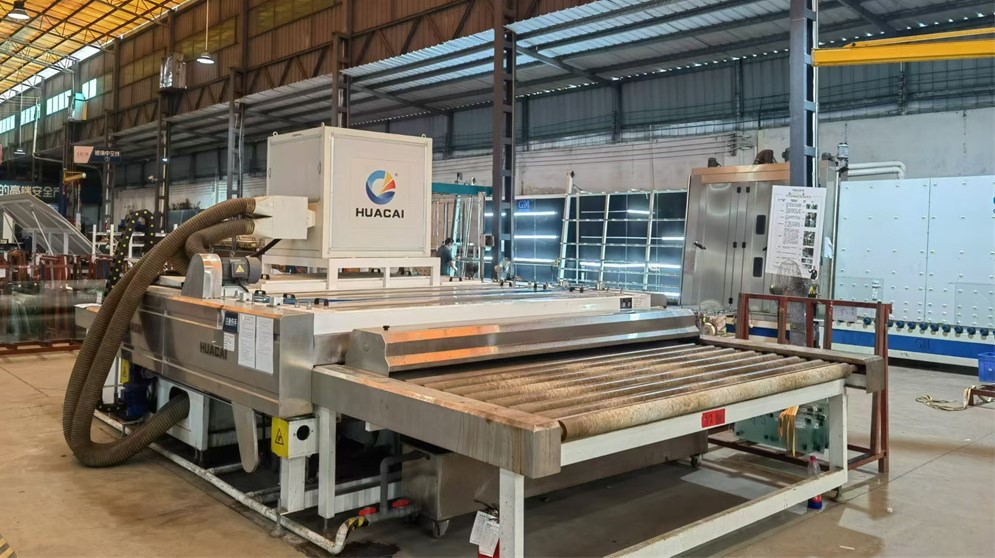
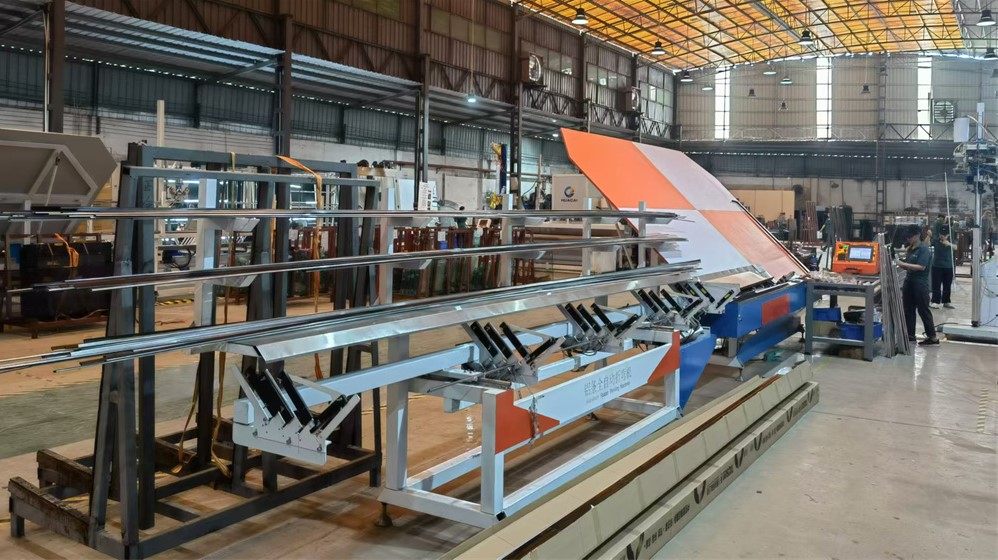
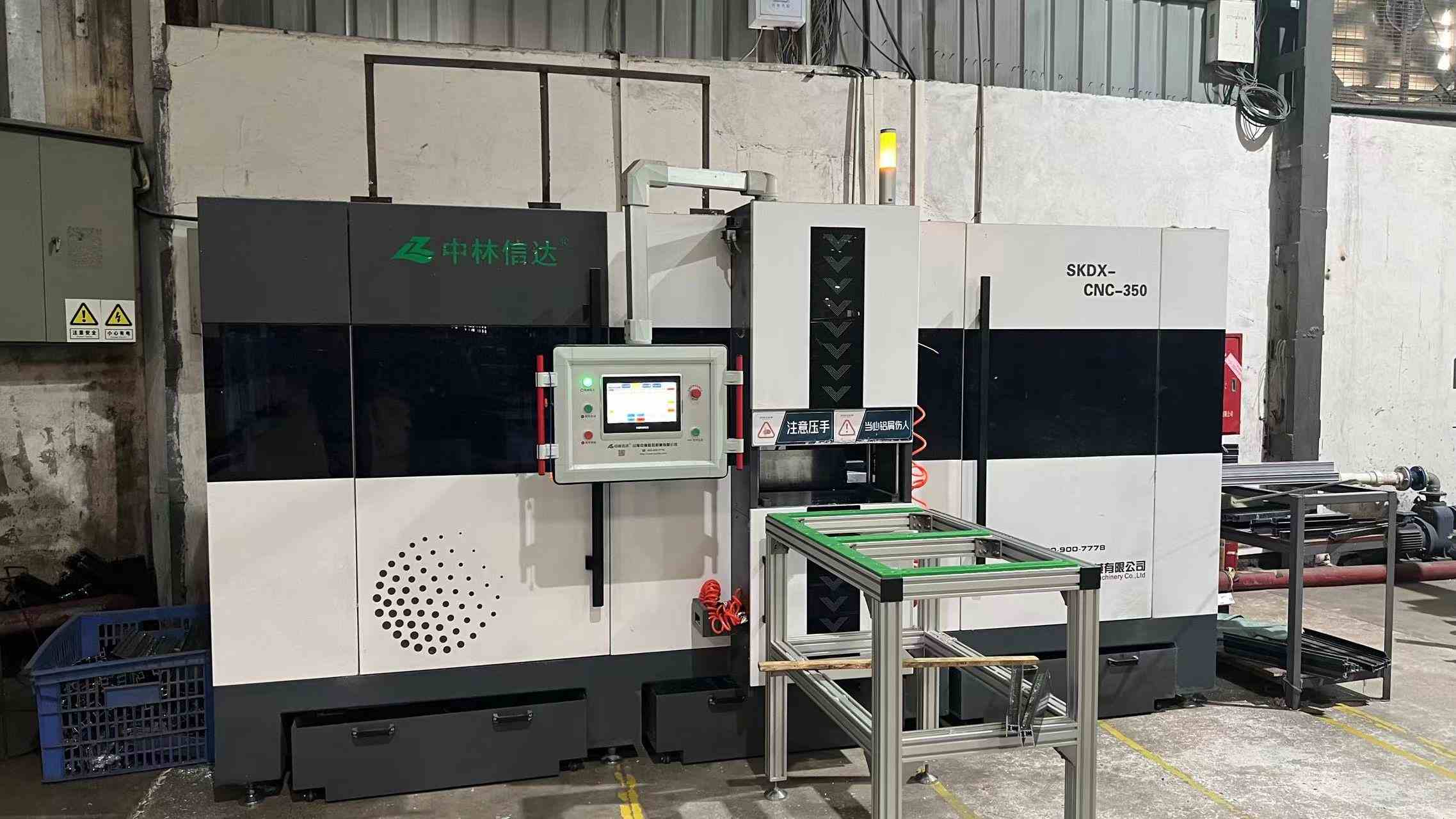
Our 38,000㎡ automated production facility utilizes European-grade CNC machinery and stringent 48-point QC verification processes.
How Wuhan Fortis leverages China's robust industrial matrix and Wuhan's multimodal transport hubs to serve Japanese projects faster and more economically.
With an integrated network of 950 certified raw material and component vendors across Central and Eastern China, Fortis secures top-grade primary aluminum ingots, Technoform thermal break strips, and PPG PPG-certified fluorocarbon coatings at highly competitive cost structures. This strategic supply depth insulates Japanese clients from global commodity price spikes.
Our team of 60 full-time structural R&D engineers offers Design for Manufacturability (DFM) support tailored to Japanese architectural CAD/BIM blueprints. Custom extrusion die creation, thermal simulation analysis, and shop drawing approvals are completed within 7 to 10 days, accelerating overall project procurement timelines.
Located along the Yangtze River maritime corridor, Wuhan provides direct river-to-sea feeder lines to Shanghai and Ningbo ports, offering seamless containerized shipping routes directly to Major Japanese ports (Tokyo, Yokohama, Nagoya, Osaka, Kobe, and Fukuoka) with typical transit times of just 5–9 days.
Explore targeted solutions engineered for residential villas, modern apartments, commercial storefronts, and hospitality resorts throughout Japan.
Optimized for interior space management with concealed multi-locking points, offering enhanced weatherproofing against torrential rains.
Inquire This Model
Engineered with marine-grade 316 stainless steel hinges and dual-seal EPDM perimeter gaskets for coastal salt air corrosion resistance.
Inquire This Model
Quadruple-seal technology with 34mm thermal break inserts and warm-edge spacer triple glazing, maintaining interior comfort down to -25°C.
Inquire This Model
Combines classic French door visual aesthetics with smooth lift-sliding mechanisms. Capable of supporting sash weights up to 400kg.
Inquire This Model
Bespoke curved aluminum profiles designed for heritage building renovations and Western-influenced luxury residential developments in Kobe.
Inquire This Model
Featuring matte black anodized surface treatments resistant to UV fading, integrated with electromagnetic lock options for smart homes.
Inquire This Model
Constructed with multi-layered acoustic glass units (8mm + 1.52PVB + 8mm), reducing ambient traffic and urban noise down to comfortable indoor levels.
Inquire This Model
Equipped with a flush 5mm threshold track and magnetic rain-drop seal, enabling effortless wheelchair and elderly access without water leakage risk.
Inquire This ModelHow Fortis guarantees smooth customs clearance, regulatory acceptance, and seamless on-site installation for Japanese partners.
Navigating Japanese building regulations requires thorough verification. Fortis supplies comprehensive documentation packages for every shipment, including mill test certificates (MTC) for aluminum profiles, structural calculation reports certified by licensed engineers, glass thermal efficiency verification reports, and salt spray test results. We assist importers and main contractors in submitting required data to local Japanese building officials.
Overseas shipments demand zero-defect packaging. Our products undergo a 5-layer protective wrapping process: protective surface film, corner buffer guards, bubble wrap, fully enclosed fumigated wooden crates, and steel-strap container bundling. This rigorous protocol ensures that pristine, mirror-finish powder coatings and double-glazed units arrive at Japanese jobsites undamaged.
Anticipating future environmental standards and smart building automation trends in East Asia.
Fortis R&D is pioneering ultra-thin Vacuum Insulated Glass (VIG) units into our French door frames. VIG technology achieves thermal U-values under 0.6 W/m²K in profiles as thin as 60mm, allowing ultra-lightweight French door sashes that significantly reduce structural dead load while meeting Japan’s strict 2030 net-zero targets.
By filling profile internal chambers with high-porosity nanoporous aerogel material, thermal conductivity is reduced by an additional 35%. This innovation provides exceptional cold-climate insulation for Northern Japan without increasing profile sightlines or frame depth.
We are embedding low-voltage motorized locking drive units and biometric sensors directly inside the aluminum French door profiles. Fully compatible with Japanese IoT smart home networks (such as ECHONET Lite protocols), allowing remote mobile monitoring and integrated automated ventilation management.
Clear answers to key commercial, technical, and logistical questions regarding sourcing French doors for Japan.
Connect directly with our engineering and export team for custom CAD shop drawings, technical specifications, and factory-direct pricing for your developments across Japan.
 Fortis Window