Precision-engineered aluminum sliding fenestration tailored for Saudi Arabian thermal parameters, dust proofing, and luxury architectural aesthetics.
An in-depth structural analysis of window engineering requirements under Saudi Building Code (SBC 601/602) and extreme desert micro-climates.
The Kingdom of Saudi Arabia, propelled by its ambitious Saudi Vision 2030 strategy, is witnessing an unprecedented urban transformation. At the epicenter of this renaissance lies Riyadh, a metropolis undergoing massive structural expansions including Giga-projects such as Diriyah Gate, New Murabba, King Salman Park, and vast residential master developments by ROSHN. As building envelopes evolve, architectural fenestration—specifically aluminum sliding window systems—must adapt to complex performance metrics that transcend traditional structural standards.
Riyadh’s regional climate imposes extraordinary physical demands on building facades. Operating within an environment characterized by summer temperatures exceeding 50°C, direct solar radiation flux, high diurnal temperature swings (up to 25°C variance within 12 hours), and frequent particulate-laden sandstorms (Haboobs), passive architectural elements undergo severe thermal shock and abrasive friction. Consequently, tier-one property developers, real estate investment trusts (REITs), and engineering contractors in Riyadh no longer treat sliding windows as simple fenestration openings, but rather as critical building envelope thermal barriers.
Standard non-thermal sliding windows deployed in temperate regions fail prematurely when subjected to Riyadh’s arid solar loading. The primary vector of energy loss in commercial and high-end residential towers stems from conductive aluminum thermal bridging and air leakage across interlock profiles during sandstorms.
To achieve compliance with the mandatory Saudi Building Code (SBC 601 energy conservation code for residential buildings and SBC 602 for commercial structures), sliding windows must maintain a Solar Heat Gain Coefficient (SHGC) ≤ 0.23 and an overall U-value ≤ 1.5 W/m²K. Achieving these stringent performance thresholds requires custom-machined extruded aluminum profiles crafted from 6063-T6 or 6060-T66 alloys, combined with imported structural polyamide (PA66GF25) thermal breaks measuring between 24mm to 34mm in width.
Furthermore, fine desert sand dust (PM2.5 to PM10 silica particles) creates mechanical wear on conventional nylon sliding rollers and degrades perimeter weather-stripping. Wuhan Fortis Building Technology addresses this through multi-barrier continuous EPDM (Ethylene Propylene Diene Monomer) gasket systems paired with high-density finned woven weather-strips, achieving an air infiltration rating meeting ASTM E283 (<0.1 cfm/ft²) and water penetration resistance per ASTM E331 at pressures up to 700 Pa.
| Performance Criterion | Standard Commercial Window | Fortis Riyadh-Spec Sliding Window | SBC Compliance Target |
|---|---|---|---|
| Thermal Transmittance (U-Value) | 2.8 - 3.5 W/m²K | 1.1 - 1.4 W/m²K | ≤ 1.5 W/m²K |
| Solar Heat Gain Coefficient (SHGC) | 0.45 - 0.60 | 0.18 - 0.22 | ≤ 0.23 |
| Sandstorm Air Infiltration (ASTM E283) | 0.50 cfm/ft² | < 0.05 cfm/ft² | < 0.15 cfm/ft² |
| Structural Wind Load (ASTM E330) | 1.8 kPa | 3.5 - 4.5 kPa (High-Rise Ready) | 2.5 kPa |
| Acoustic Attenuation (STC Rating) | 28 - 32 dB | 42 - 48 dB (Triple Double-Ar Low-E) | ≥ 38 dB |
Rooted in 12 years of specialized engineering excellence and 9 years of international export operations, Wuhan Fortis delivers custom architectural glazing worldwide.
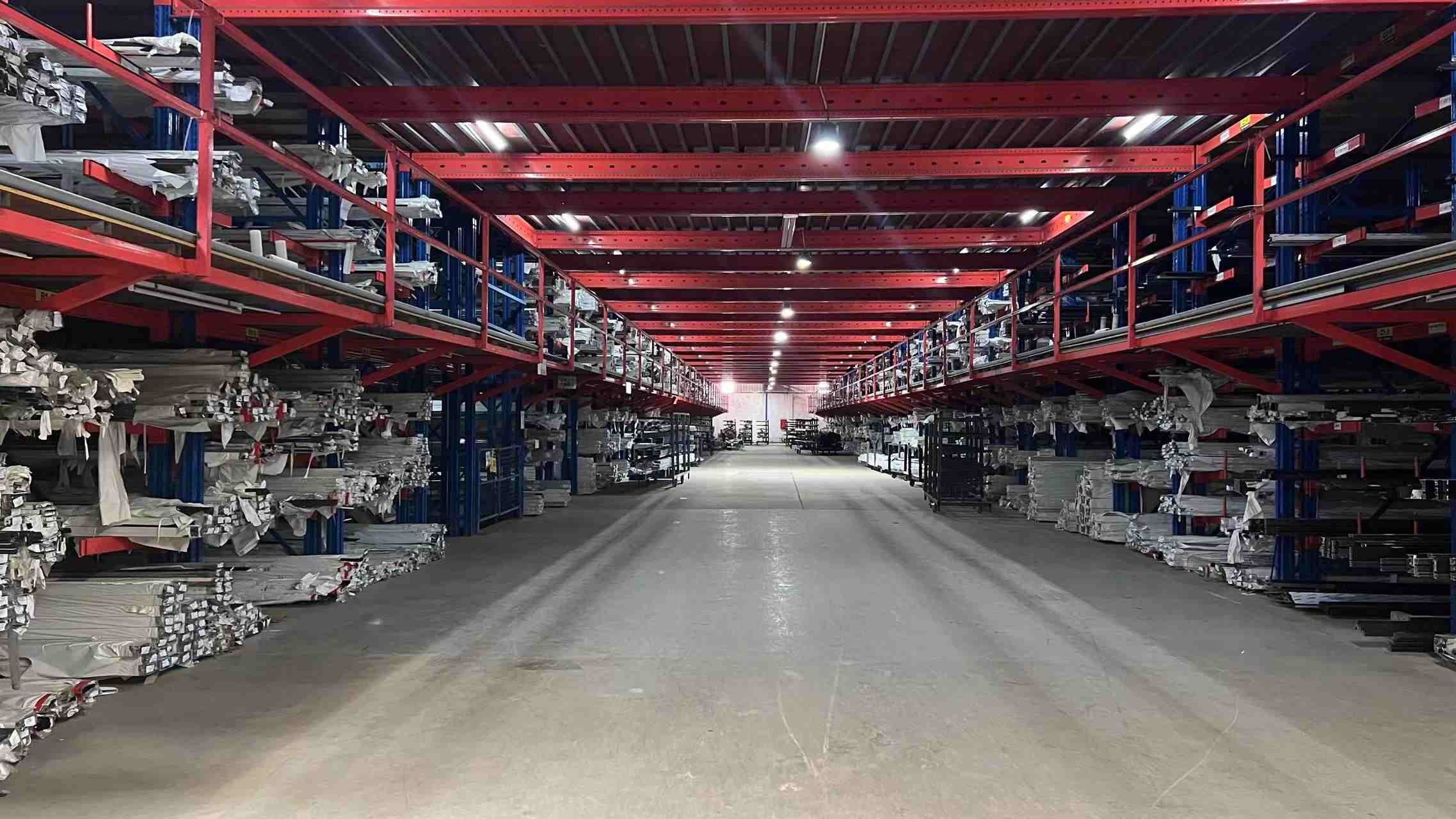
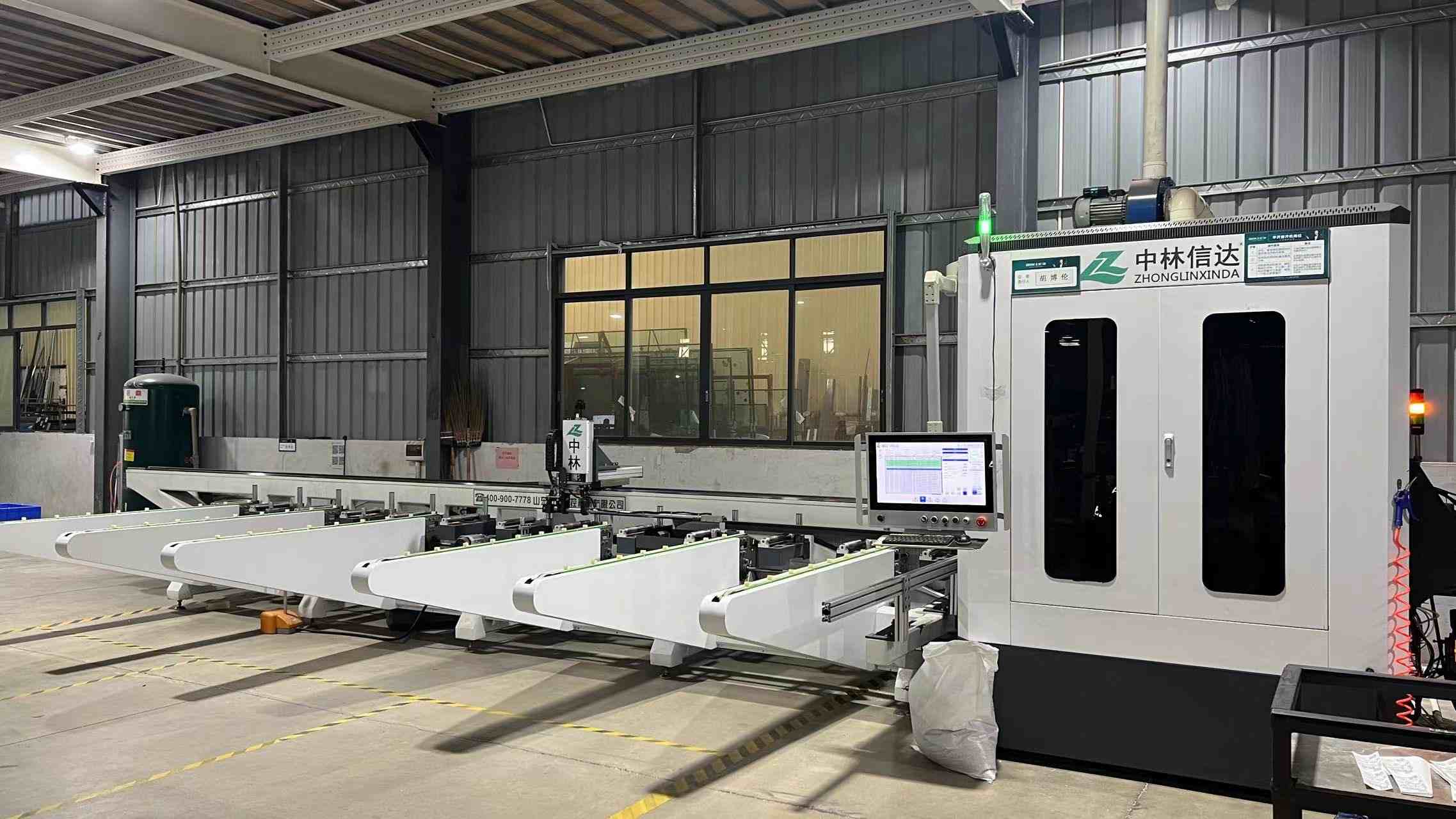
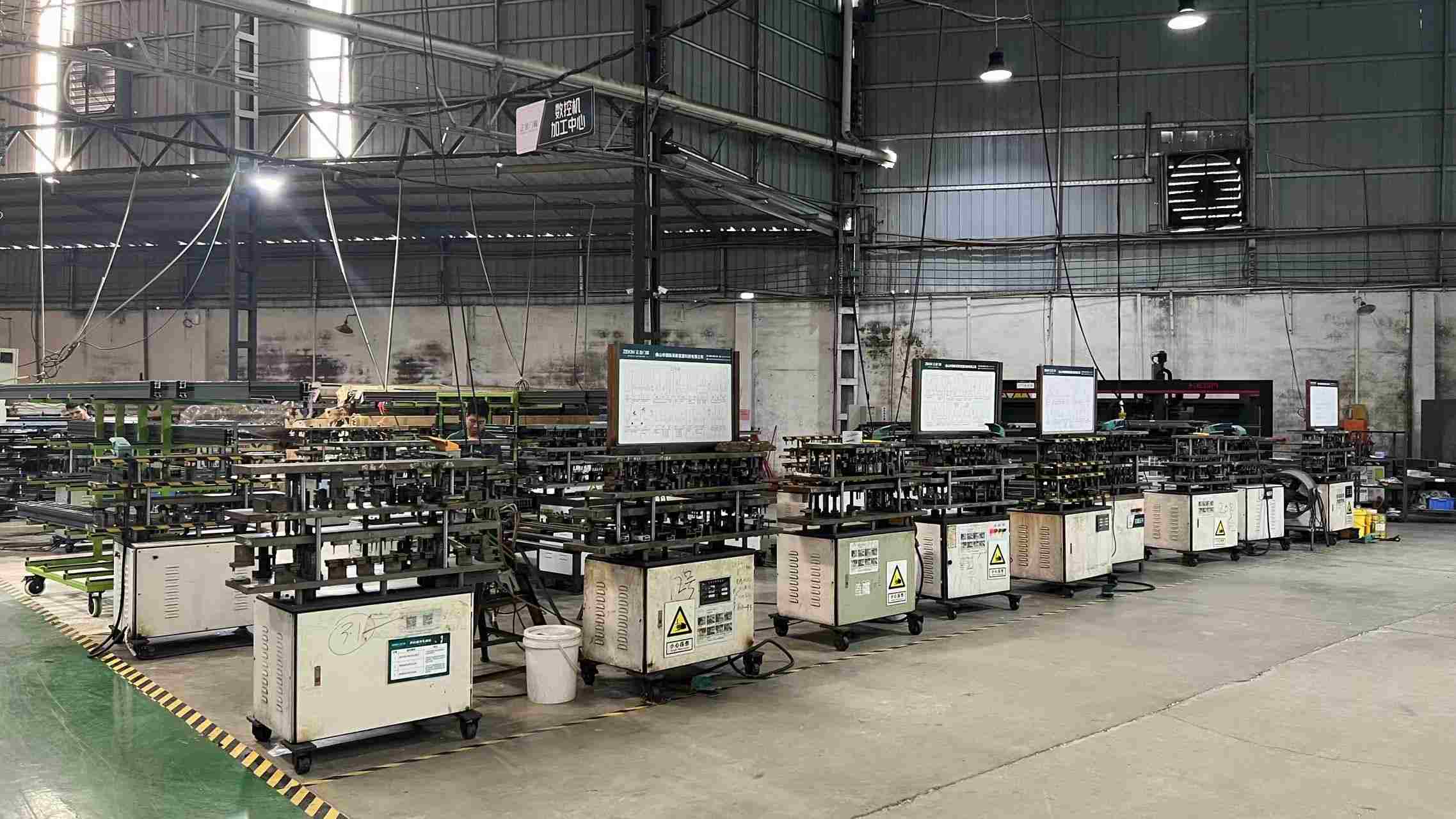
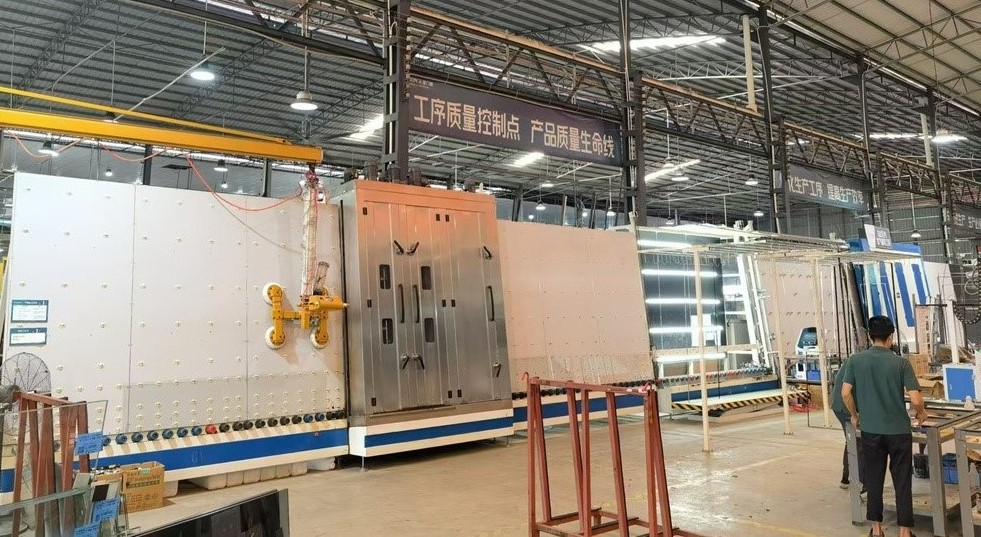
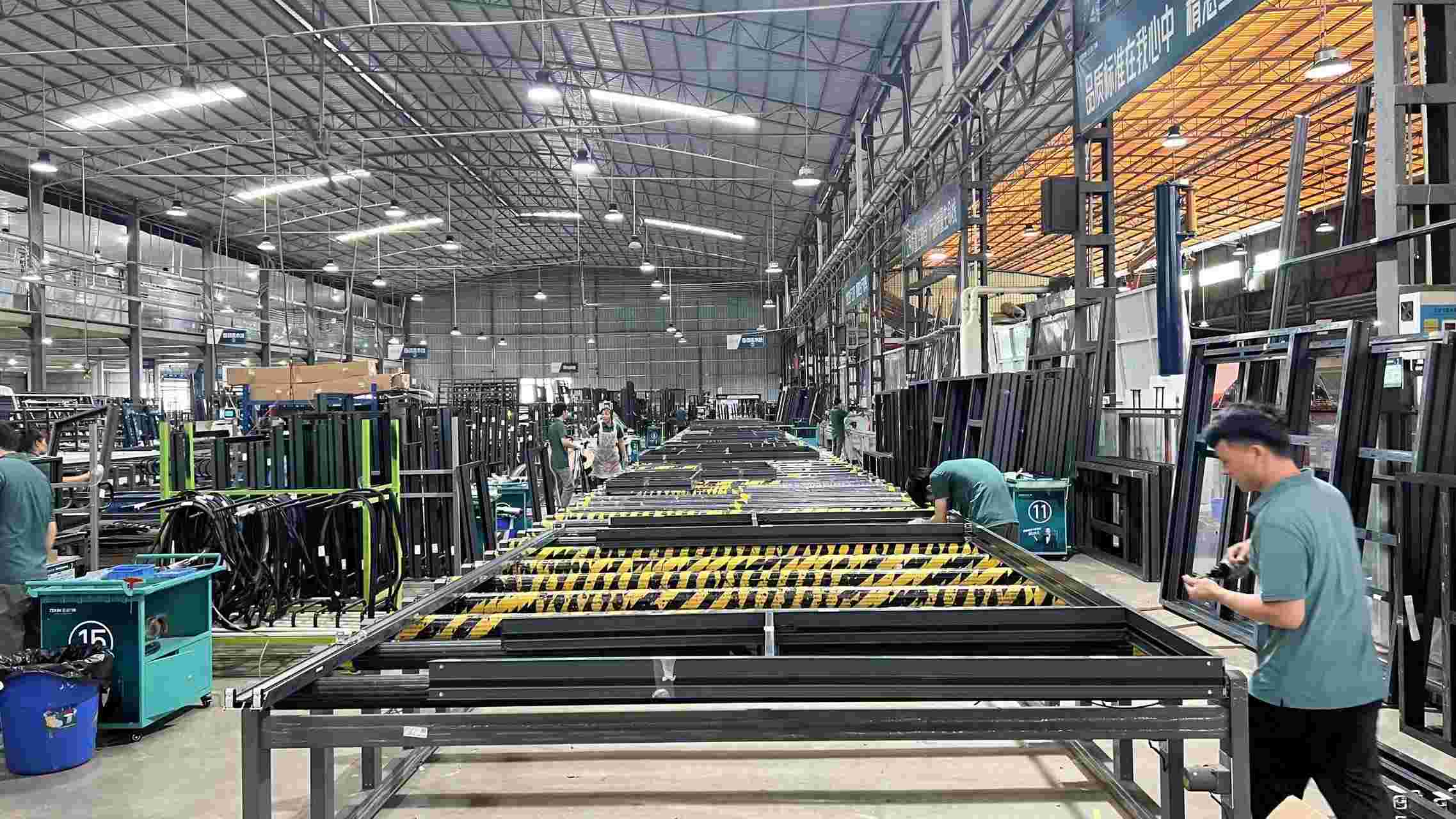
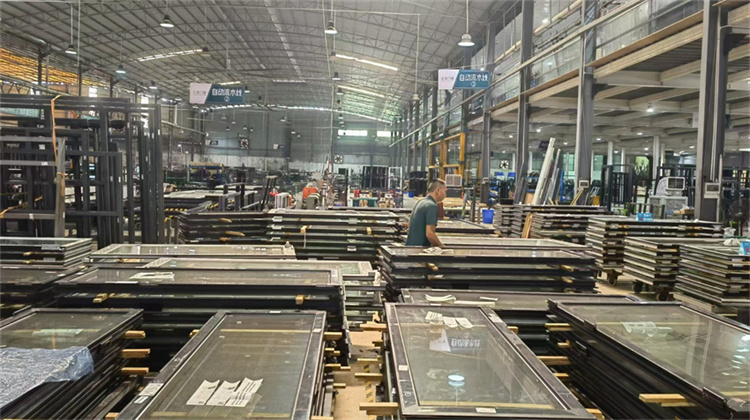
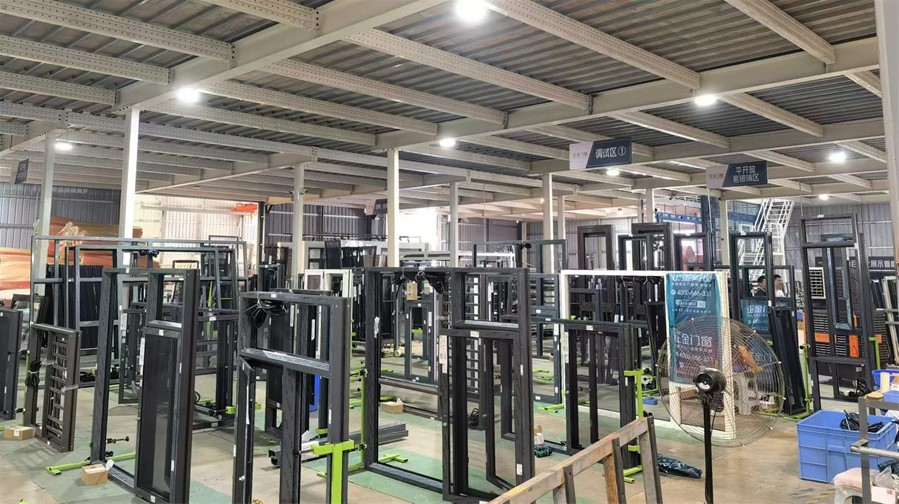
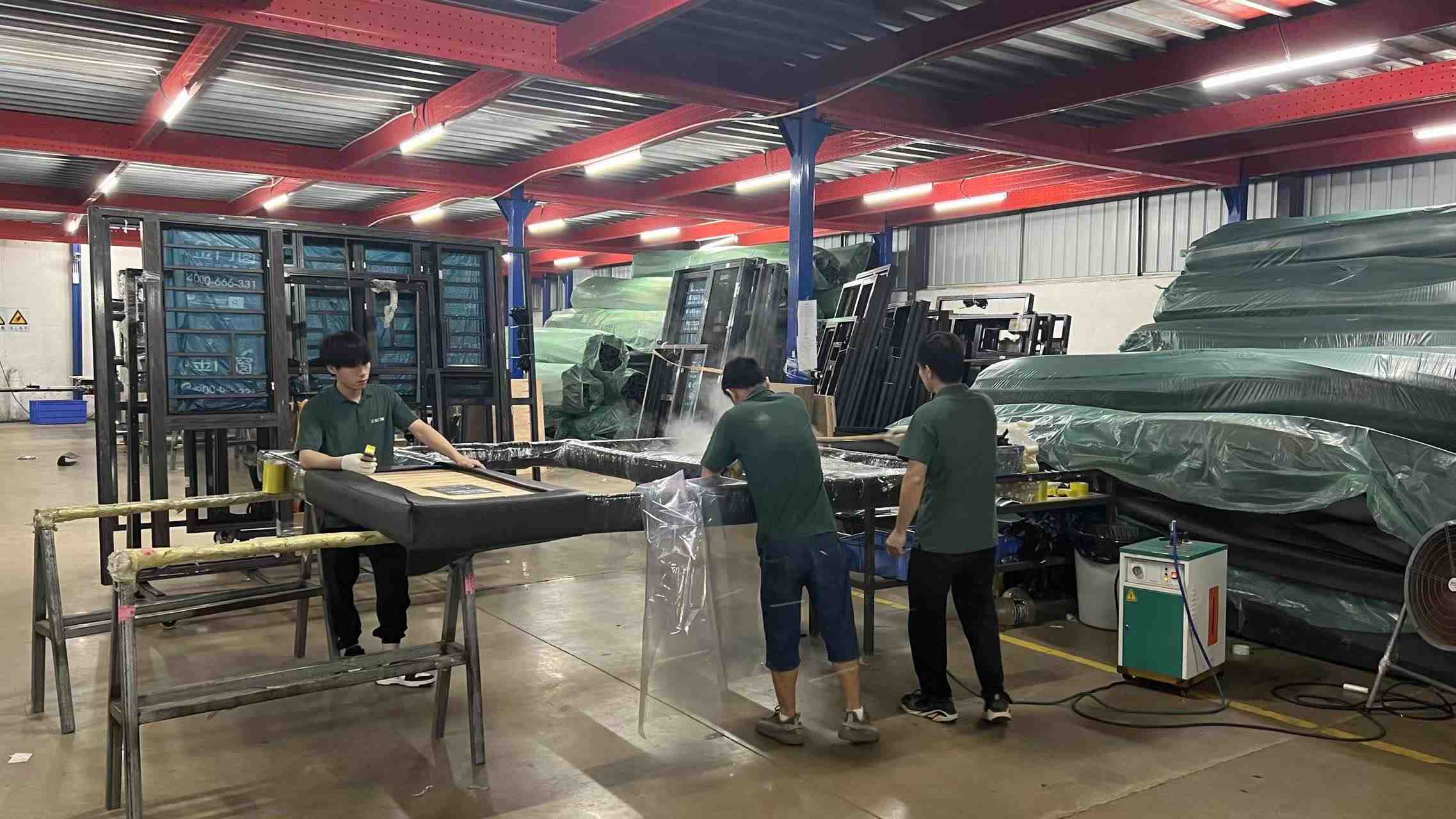
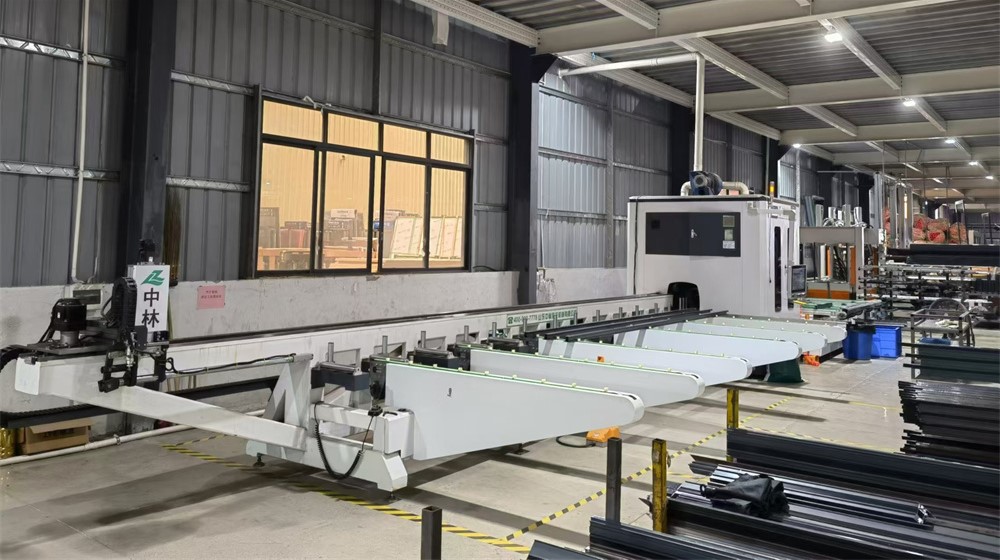
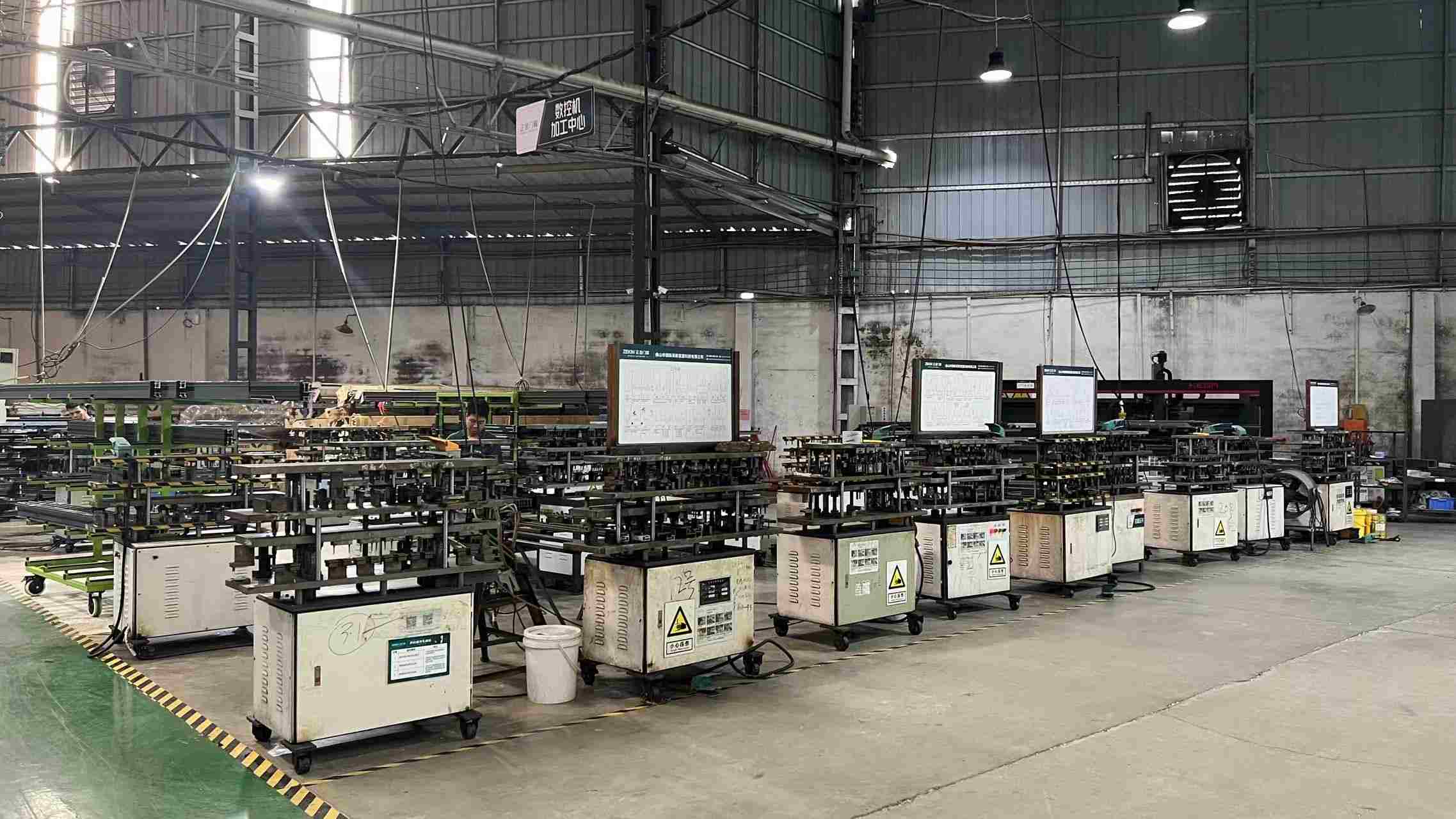
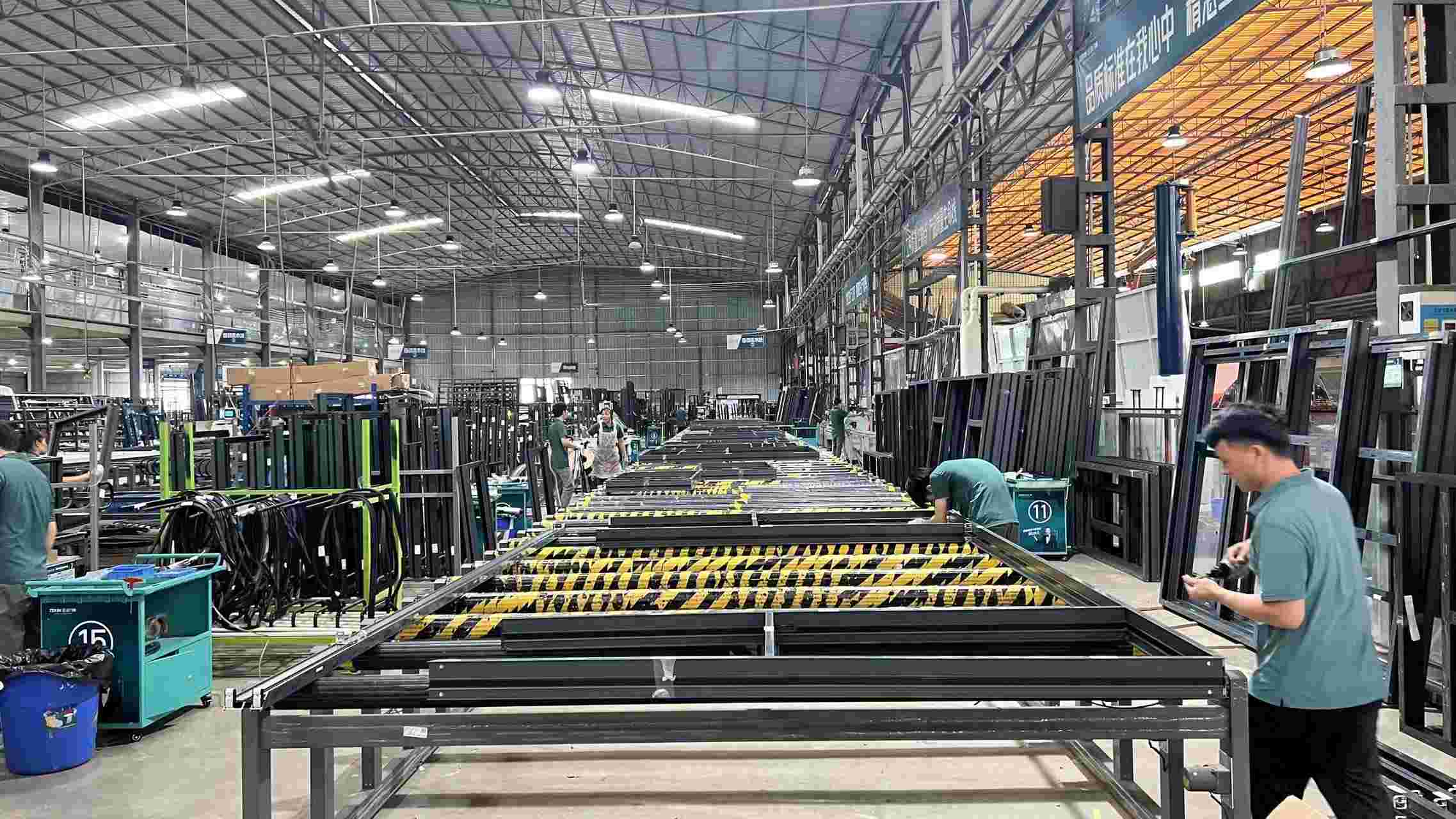
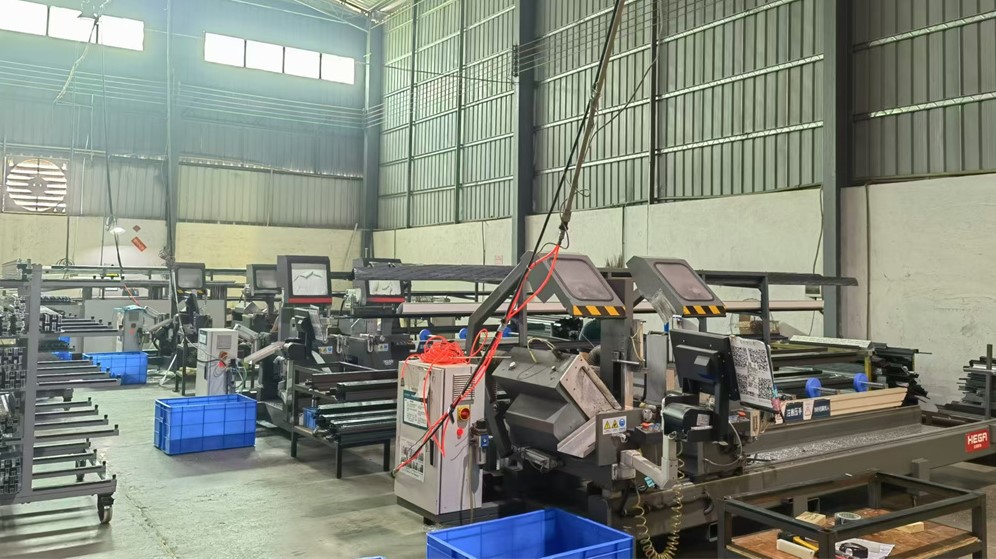
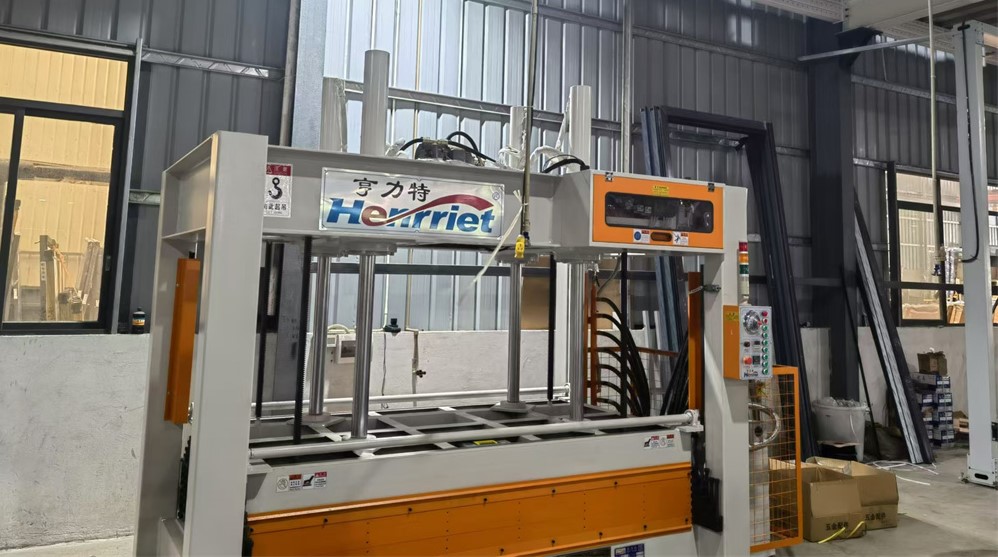
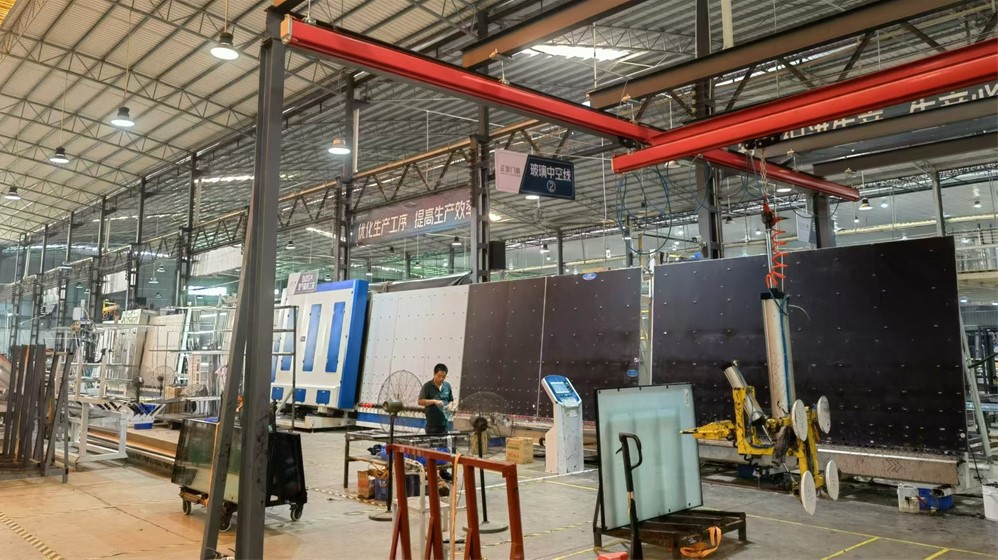
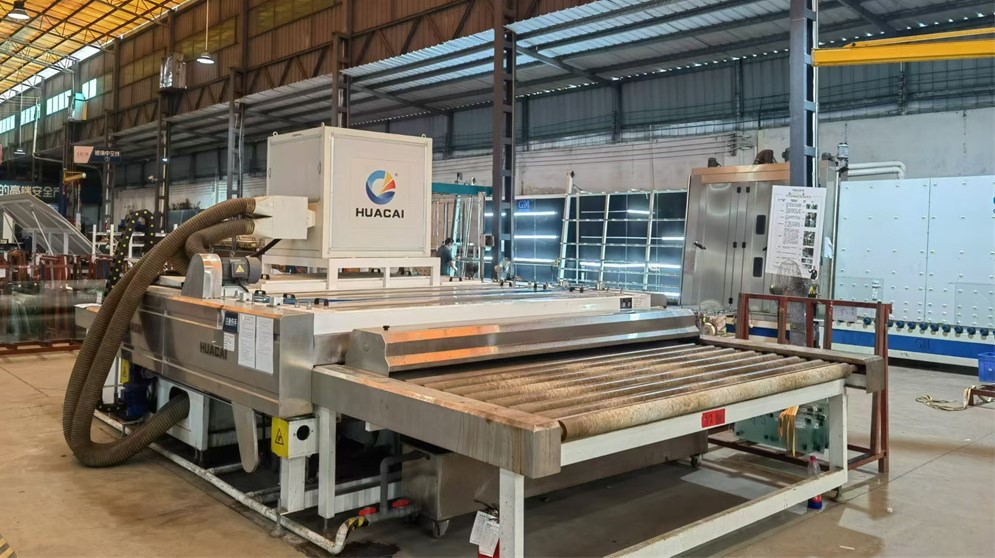
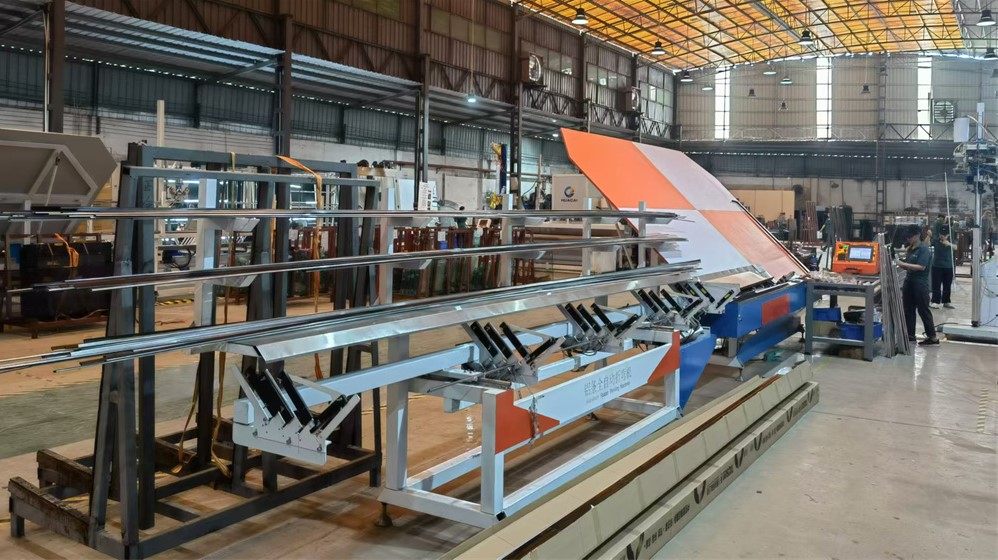
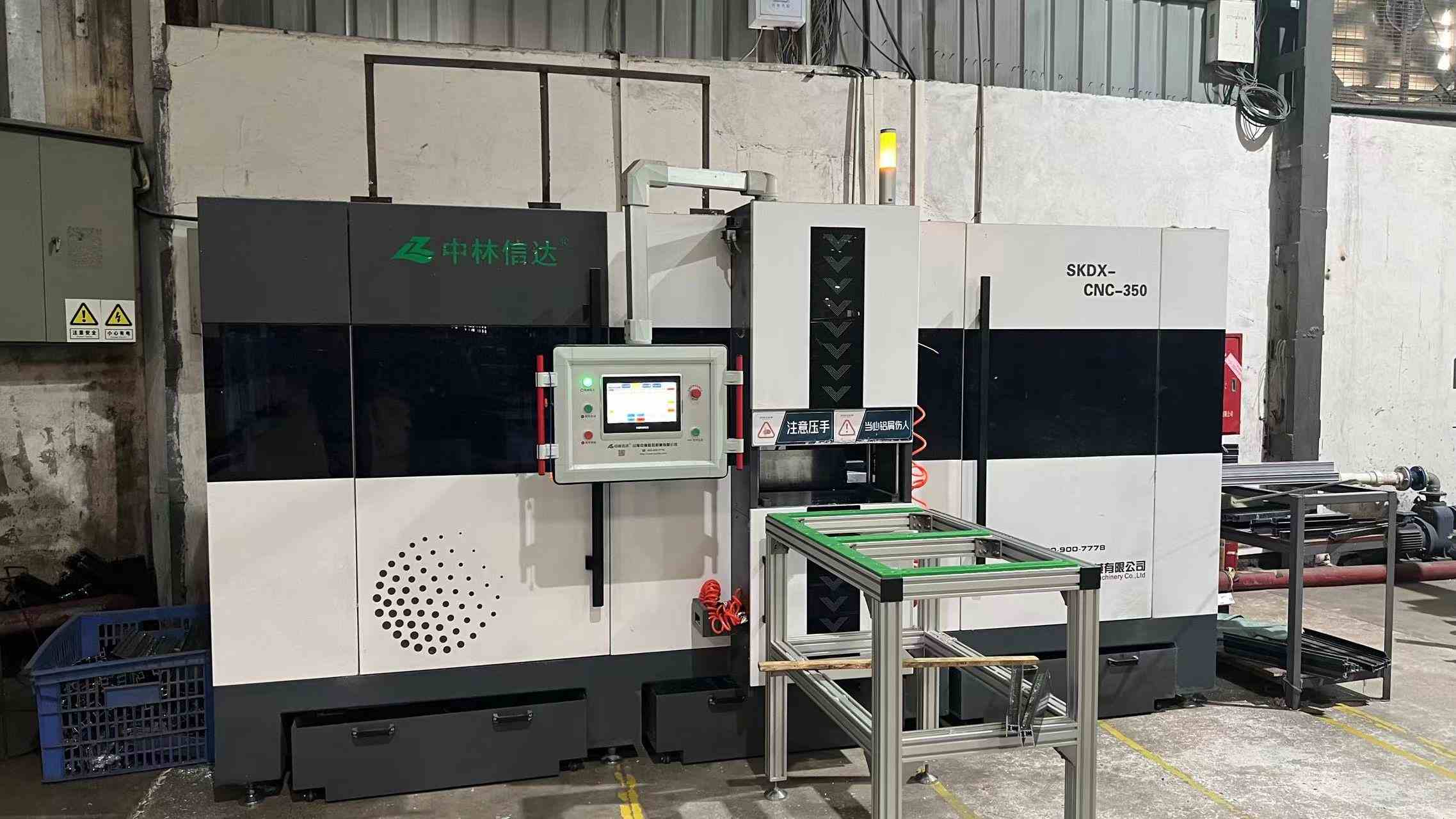
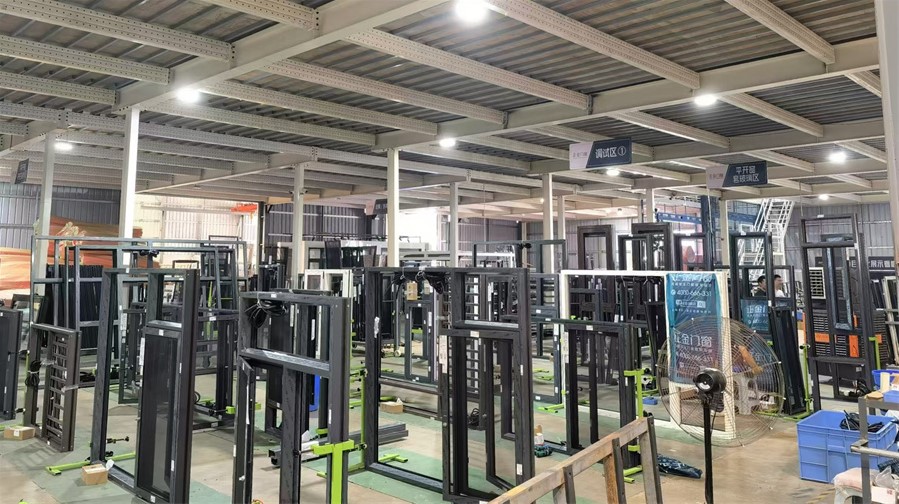
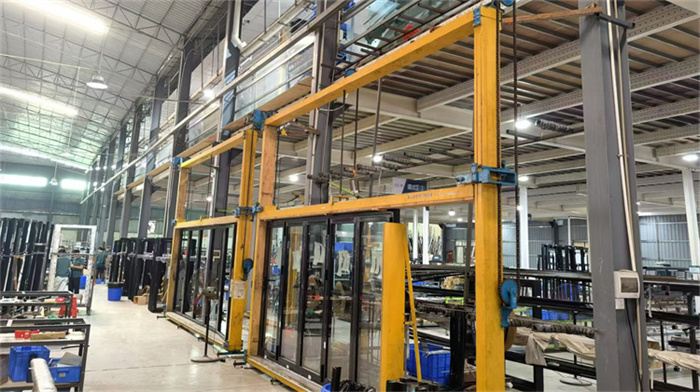
Established in 2014, Wuhan Fortis Building Technology Co., Ltd. spans an expansive production space of 38,000 square meters. Rooted in 12 years of specialized manufacturing experience and 9 years in international export operations, our annual export revenue reaches $34 million. We primarily serve real estate developers, hotel construction companies, and hardware distributors across Europe, North America, Southeast Asia, and the Middle East.
Product reliability is assured by 48 certified QC specialists executing structural stress tests, hardware cycle endurance checks, and salt spray corrosion testing. With a robust network of 950 supply chain suppliers, Fortis provides customized solutions ranging from motorized sliding mechanisms to ultra-narrow frame sightlines. Powered by 60 R&D engineers, the company introduced 75 new energy-efficient window models last year.
Optimized fenestration typologies tailored for luxury residential districts, high-rise commercial cores, and mega-hospitality projects.
Deploying ultra-narrow multi-track sliding doors and windows in districts such as Al-Hada, Al-Yasmint, and Hittin. Incorporates heavy-duty stainless steel track assemblies (SUS316) that withstand sand accumulation while delivering panoramic views of private courtyards and pools.
Engineered for King Abdullah Financial District and urban high-rises. Featuring structural silicone structural glazing (SSG) sliding inserts tested for negative wind pressure spikes exceeding 4,500 Pascals during localized desert gust events.
Tailored solutions for eco-resorts and boutique hotels in Diriyah Gate and Qiddiya. Systems integrate hidden motorized actuators with micro-sensor safety stops, providing seamless indoor-outdoor transitions with zero-threshold accessible tracks.
Navigating Saudi customs requires strict adherence to the SABER platform and SASO (Saudi Standards, Metrology and Quality Organization) technical regulations for building materials. Wuhan Fortis provides turn-key export compliance documentation, including:
Pioneering the intersection of artificial intelligence, solar energy harvesting, and smart material science for Saudi Arabia’s future smart cities.
Incorporating semi-transparent Building-Integrated Photovoltaics (BIPV) into sliding window panes. Generates clean solar energy from Riyadh’s high solar irradiance while filtering infrared radiation to reduce HVAC cooling loads by up to 35%.
Electronically switchable glazing that adjusts light transmittance based on real-time solar intensity data. Dynamically changes from clear to dark blue tint without requiring external motorized blinds, eliminating dust trap points.
Embedded pressure and air quality sensors within sliding tracks that automatically trigger micro-pneumatic gasket inflations when airborne dust or sandstorm conditions are detected, creating an absolute airtight seal.
Explore our export-ready architectural configurations tested for durability, thermal performance, and wind resistance.
Expert engineering insights regarding custom sliding window procurement, SASO certification, and local Saudi installation support.
Contact our structural engineering team today to receive CAD shop drawings, free thermal calculation reports, and competitive direct-factory pricing for your upcoming developments.
Send Inquiry Now Fortis Window