Architectural-Grade Thermal, Seismic, and Typhoon-Resistant Fenestration Systems Manufactured to Japanese JIS Standards for Commercial, Industrial, and High-Density Residential Developments.
Engineered specifically to handle the microclimatic challenges of Aichi Prefecture—from winter Ibuki-oroshi winds to summer coastal humidity and seismic story-drift requirements.
Designed for high-rise residential towers in Meieki and Sakae, featuring 24mm polyamide thermal breaks and structural shear-deflection tracks capability.
Engineered for commercial showrooms and corporate R&D facilities across Toyota City and Kariya. Accommodates glass payloads up to 600kg per sash.
Specially engineered for Ise Bay coastal exposures and Nagoya Port waterfront developments, providing 38dB noise attenuation and salt-spray resistance.
Optimized for Japanese Zero Energy House (ZEH) standards with barrier-free floor integration and U-values as low as 0.98 W/m²K.
Nagoya, as the heart of Japan's Chubu industrial hub and Aichi Prefecture, presents a unique microclimate and structural engineering matrix. Architectural projects in Greater Nagoya demand sliding window systems capable of withstanding contrasting environmental stresses:
Wuhan Fortis Building Technology Co., Ltd. delivers high-gain fenestration engineering designed specifically to bridge international manufacturing precision with Japanese technical requirements.
Nagoya lies within high-risk seismic zones. Fortis sliding systems incorporate patented elastomeric perimeter gaskets and flexible inter-story drift structural joints (capable of sustaining 1/150 to 1/100 rad story drift ratio). This prevents glass cracking and sash binding under intense shear strain.
To comply with Japan's ZEH/ZEB energy conservation laws, our windows incorporate imported Technoform 24mm to 34mm PA66GF25 thermal barrier strips combined with Argon-gas filled triple glazing (Low-E coatings). This reduces thermal transference to achieve U-values under 1.1 W/m²K.
Projects near Port of Nagoya or along Ise Bay require robust anti-corrosion protection. Fortis applies fluorocarbon (PVDF) 3-coat finishes and high-grade anodic electrodeposition coating (JIS H 8602 standard), enduring over 1,500 hours of neutral salt spray testing (ASTM B117) without micro-pitting.
| Performance Metric | Japanese JIS Standard | Fortis Nagoya Spec Series | Engineering Advantage |
|---|---|---|---|
| Wind Pressure Resistance | JIS A 4702 Grade S-5 (2400 Pa) | Grade S-7 (3600 Pa+) | 50% higher wind resistance; withstands Category 4-5 typhoon gusts in coastal Aichi. |
| Air Permeability | JIS A 4702 Grade A-4 | Ultra-Sealed A-4 Standard | Prevents draft leakage during winter Ibuki-oroshi winds; reduces HVAC energy loads by 28%. |
| Water Tightness | JIS A 4702 Grade W-5 (500 Pa) | Custom High-Sill 750 Pa | Multi-tiered hidden drainage channels prevent water ingress during localized torrential rain (Guerilla Rainstorms). |
| Acoustic Insulation | JIS A 4706 Grade T-2 (30 dB) | Grade T-3 / T-4 (38-42 dB) | Laminated acoustic interlayer dampens heavy industrial and railway noise along Nagoya transit lines. |
| Frame Profile Material | Standard Extruded Aluminum | 6063-T6 High-Tensile Alloy | Superior structural yield strength allowing ultra-narrow sightlines without structural flex. |
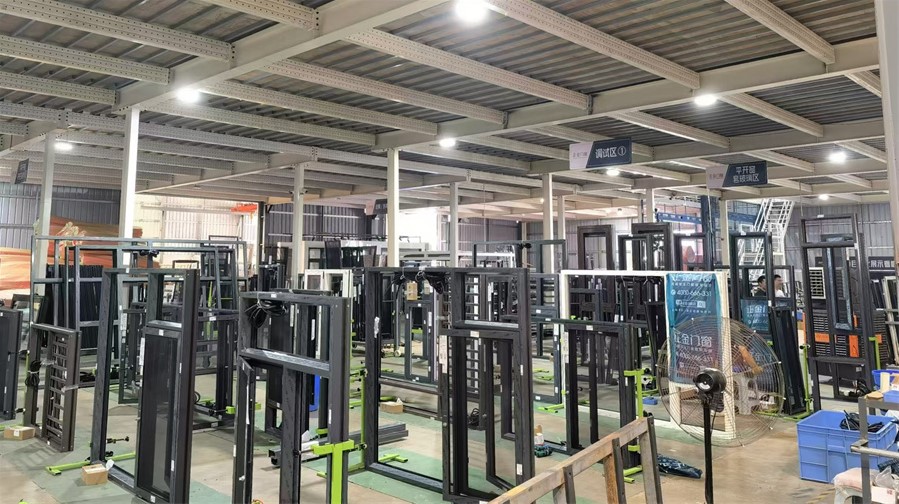
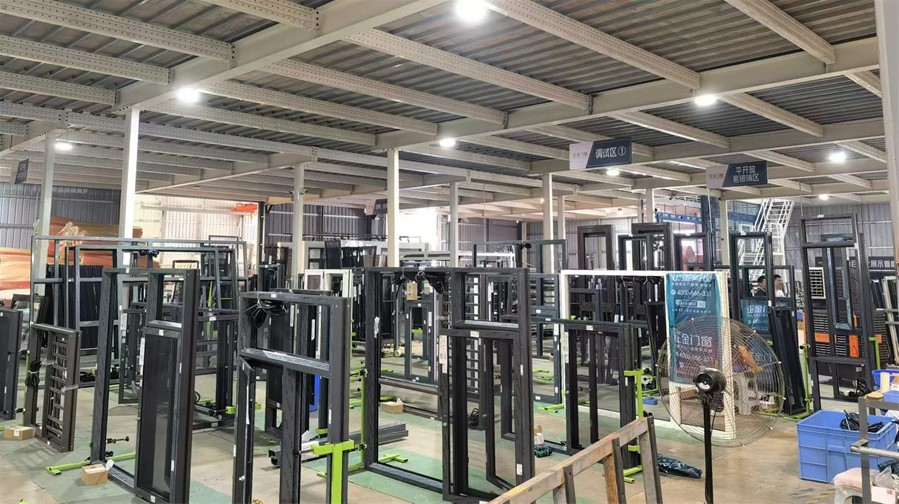
Established in 2014, Wuhan Fortis Building Technology Co., Ltd. spans an expansive production space of 38,000 square meters. Rooted in 12 years of specialized manufacturing experience and 9 years in international export operations, our annual export revenue reaches $34 million. We primarily serve real estate developers, hotel construction companies, and hardware distributors across Europe, North America, and Southeast Asia.
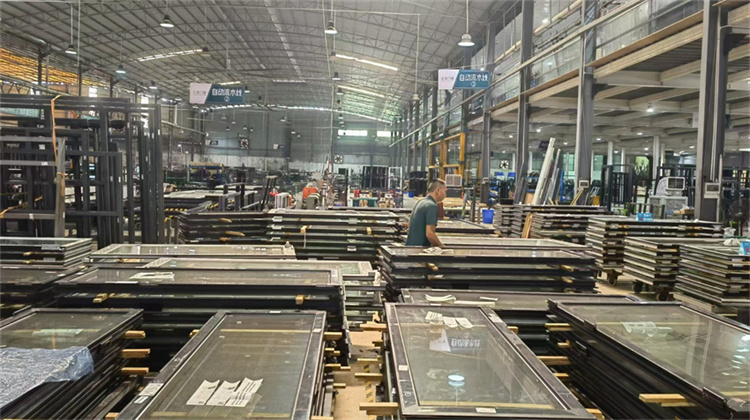
Product reliability is assured by 48 certified QC specialists executing structural stress tests, hardware cycle endurance checks, and salt spray corrosion testing. With a robust network of 950 supply chain suppliers, Fortis provides customized solutions ranging from motorized sliding mechanisms to ultra-narrow frame sightlines. Powered by 60 R&D engineers, the company introduced 75 new energy-efficient window models last year.
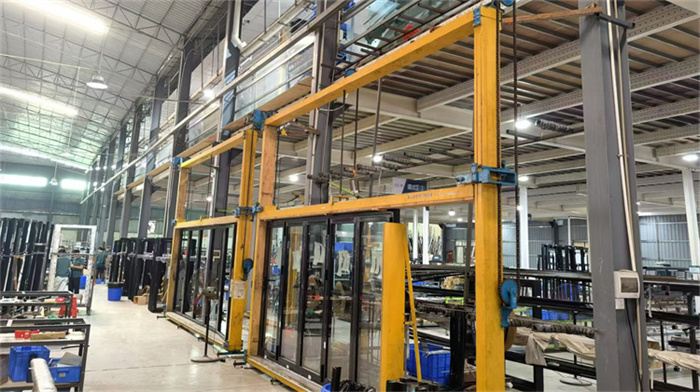
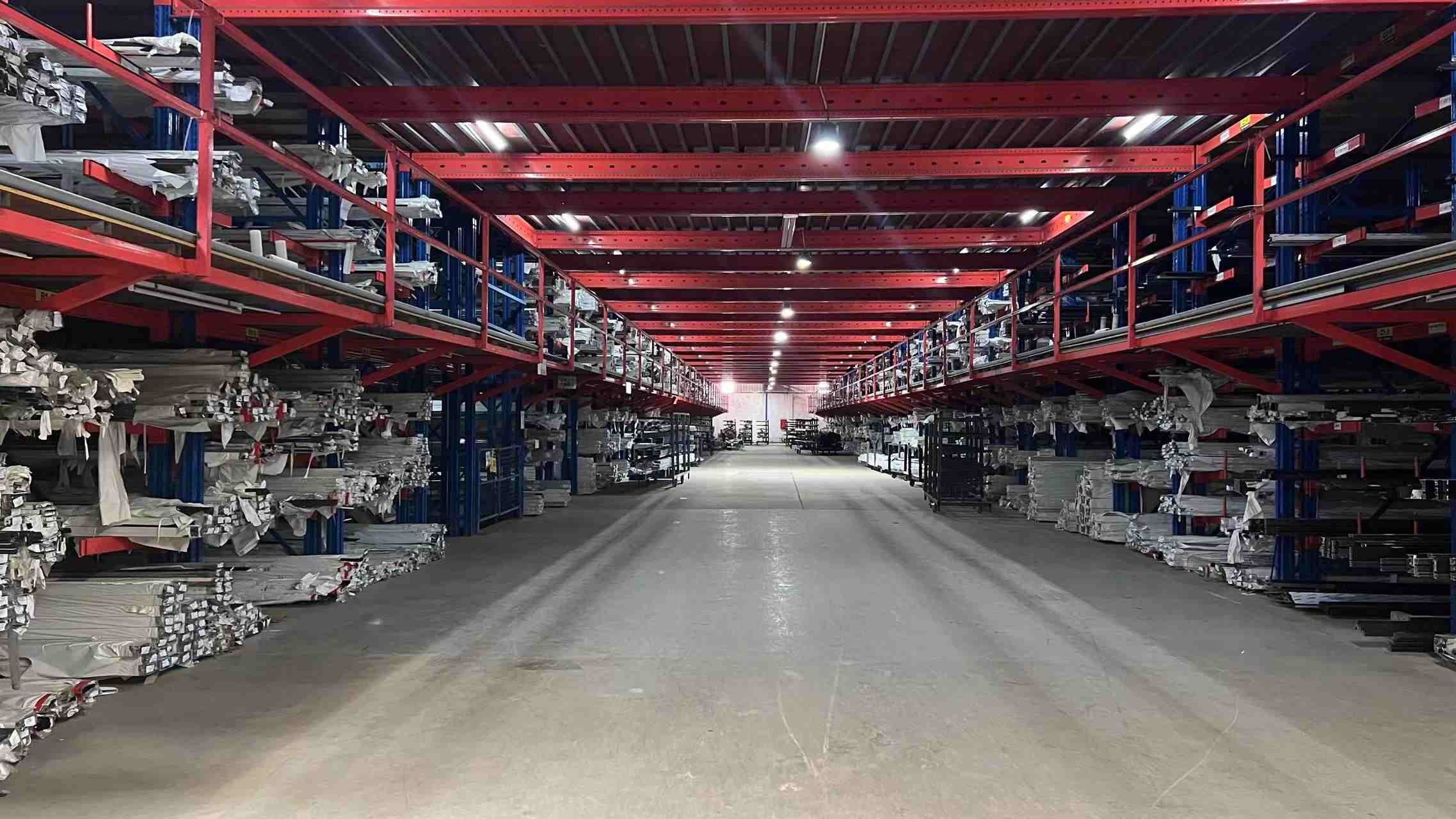
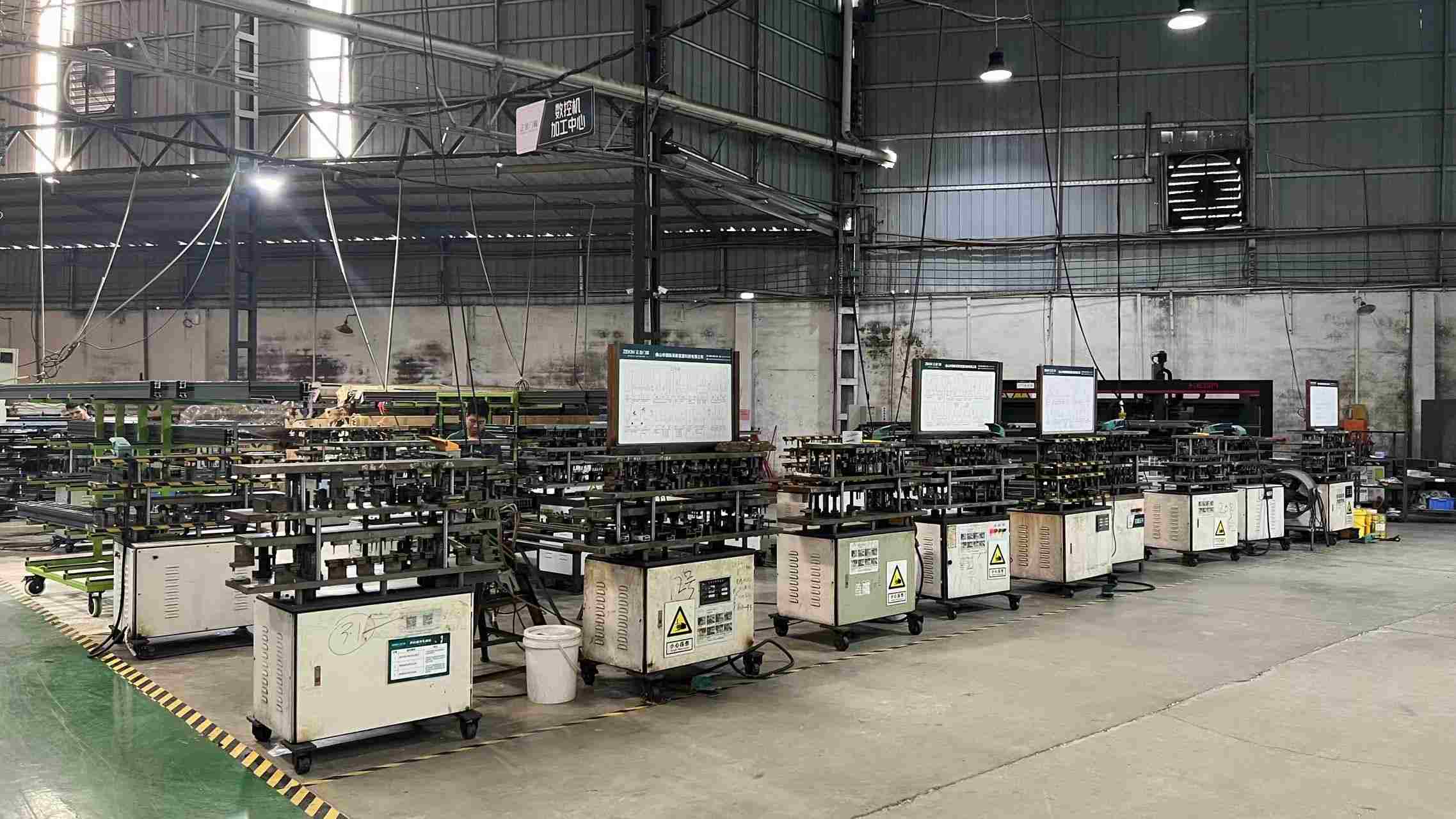
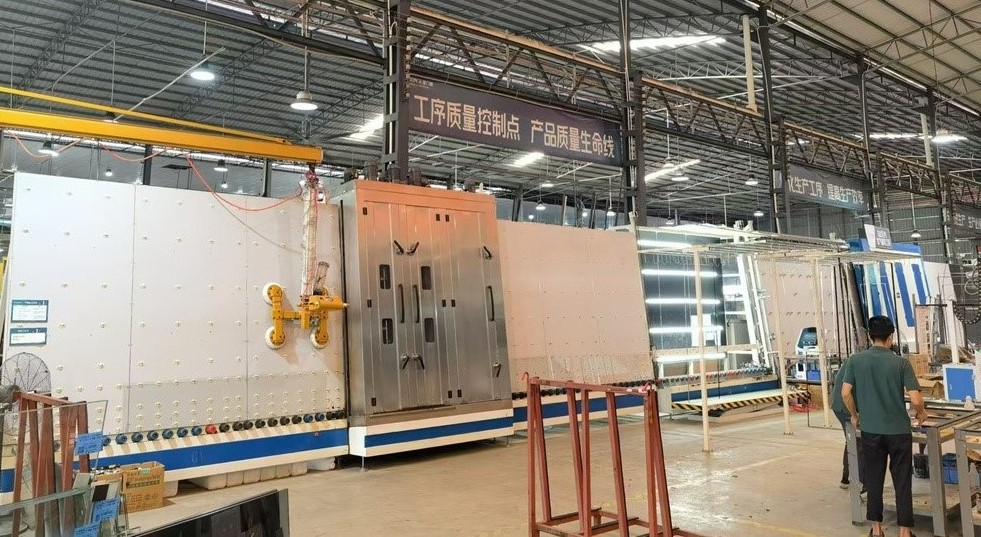
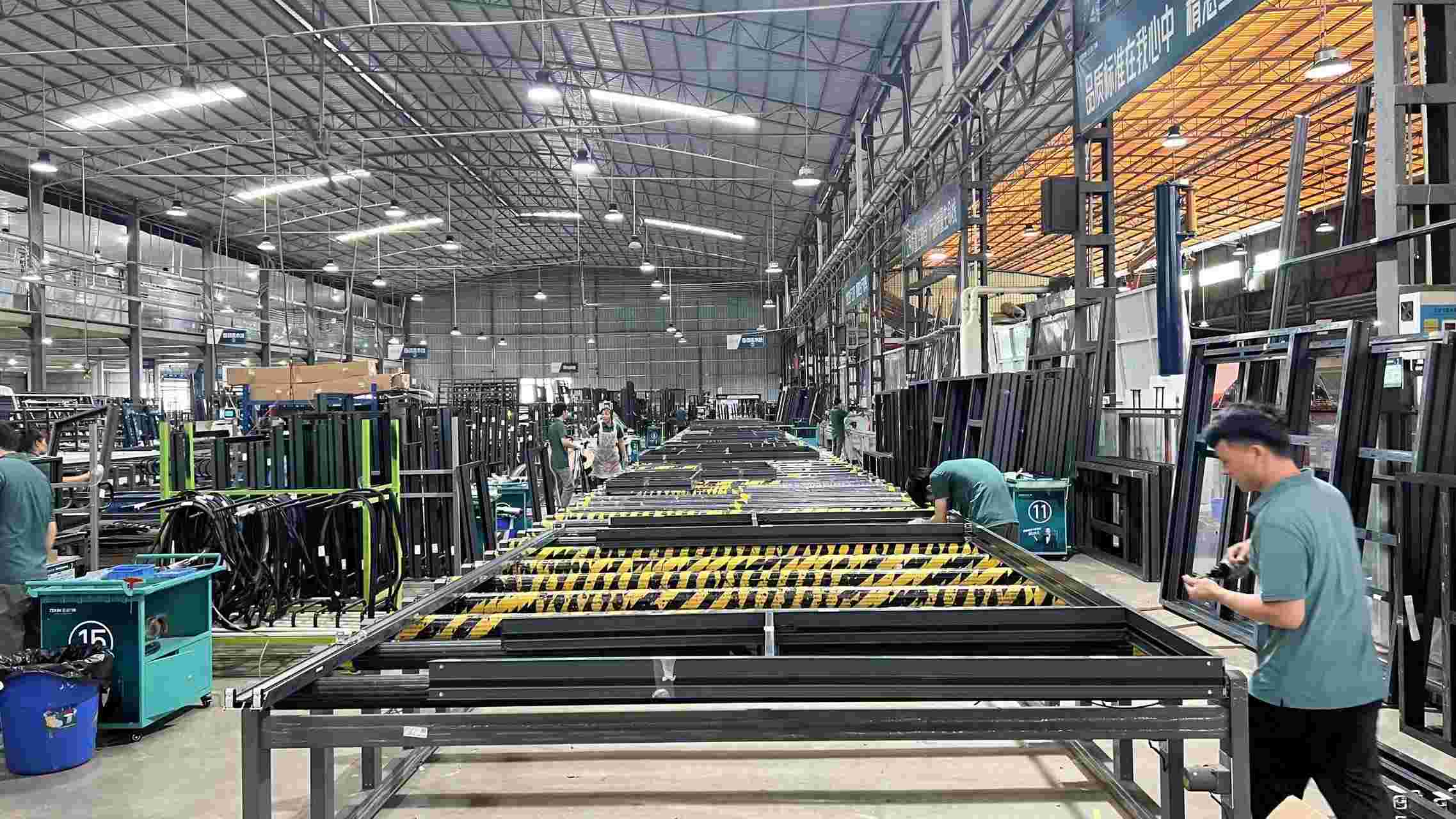
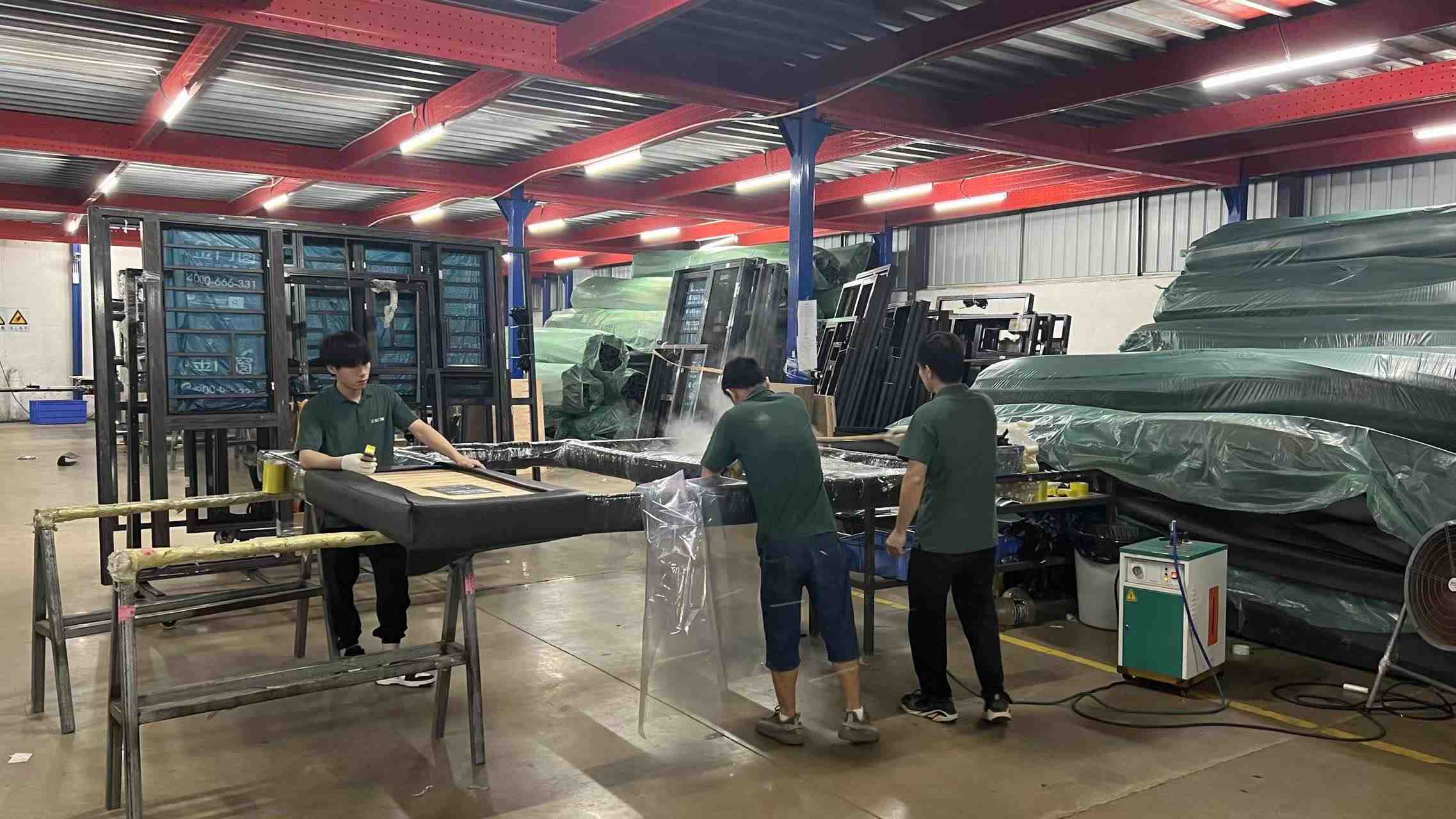
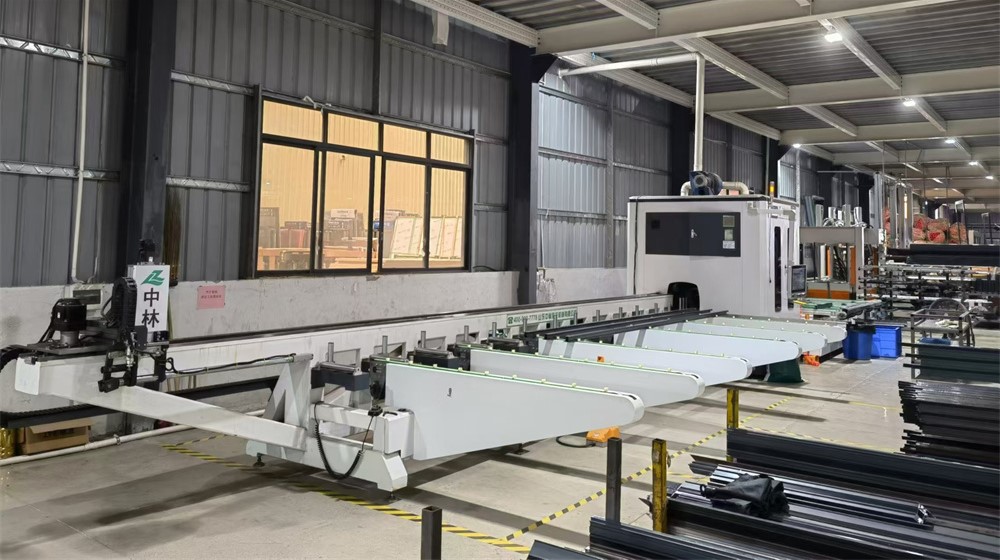
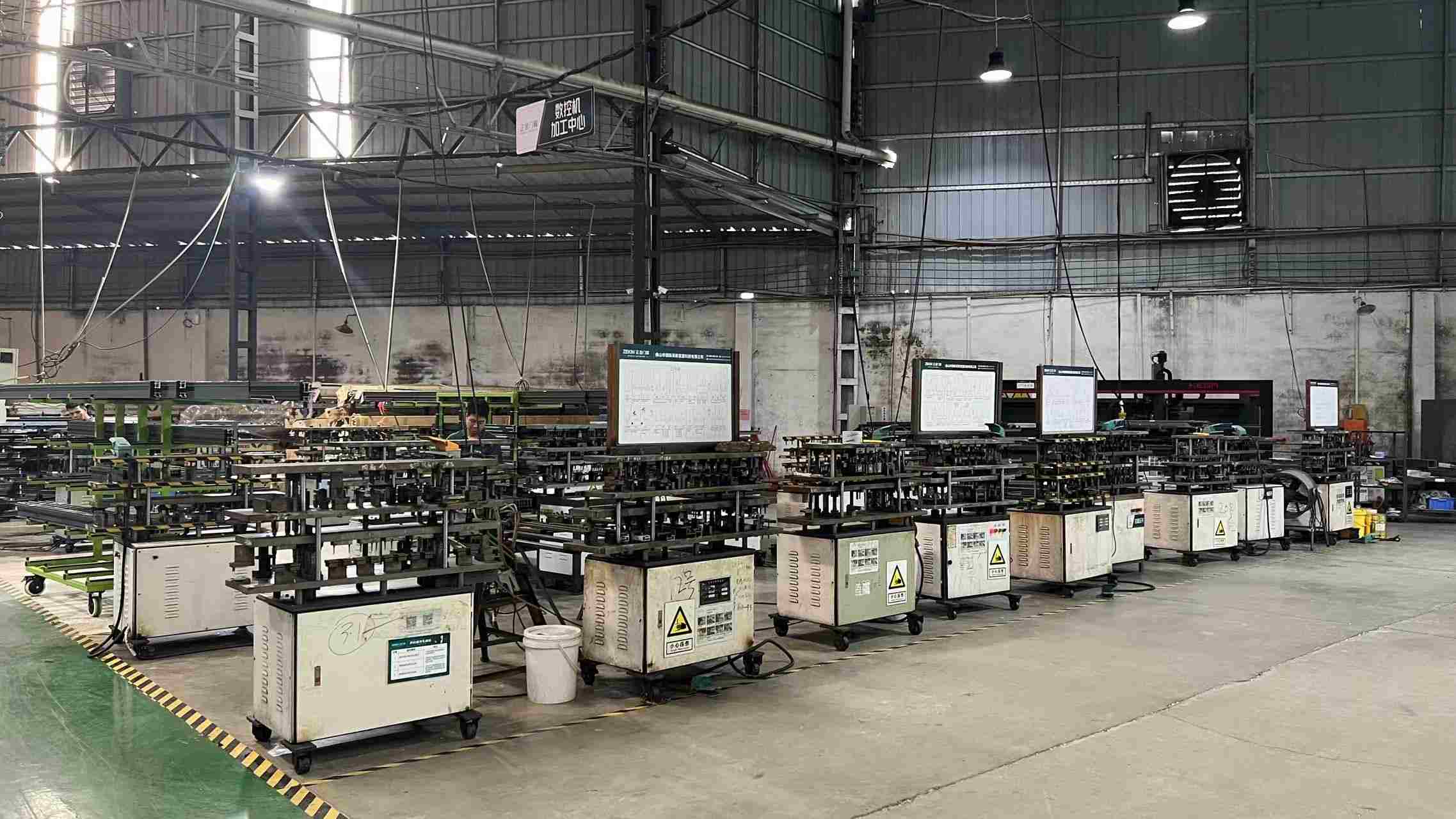
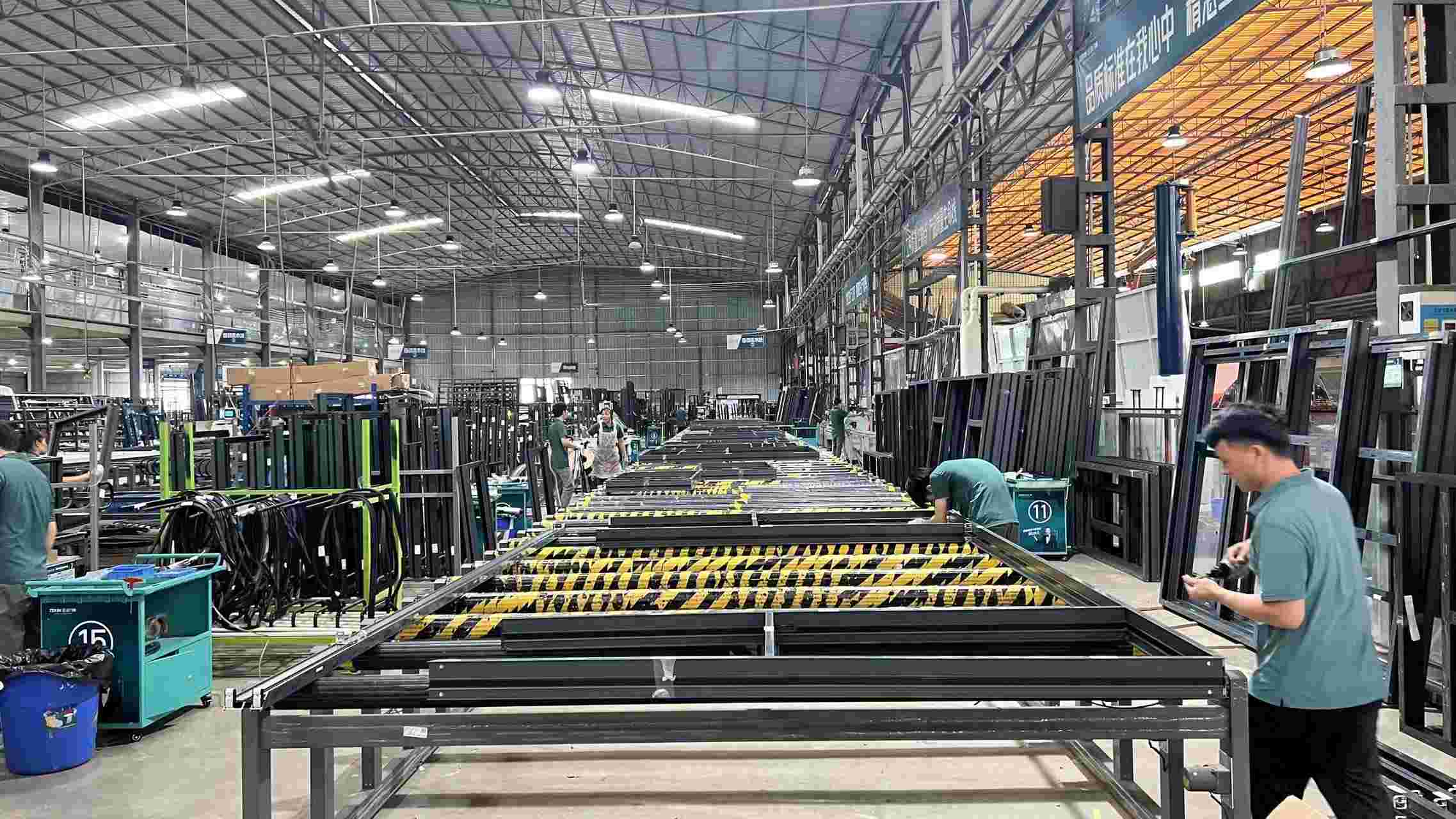
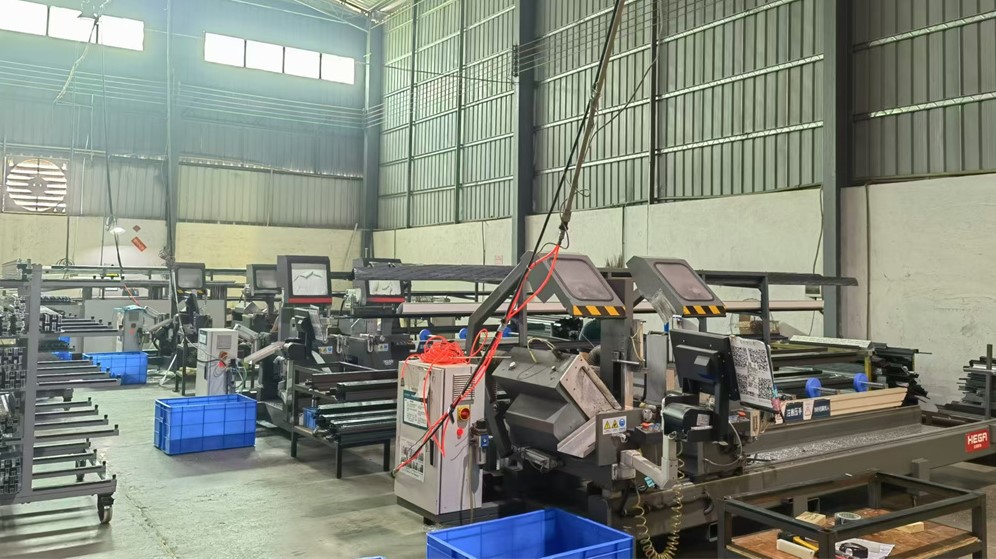
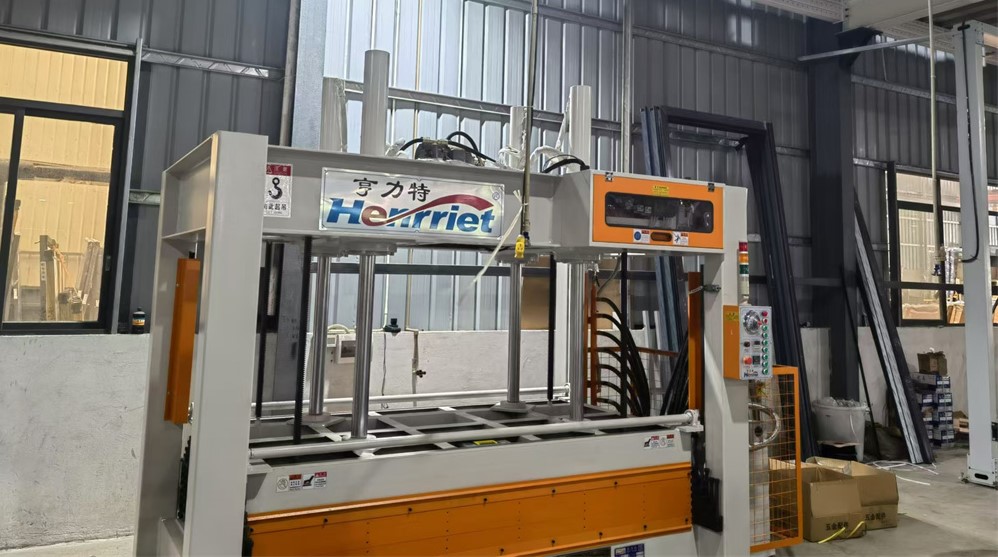
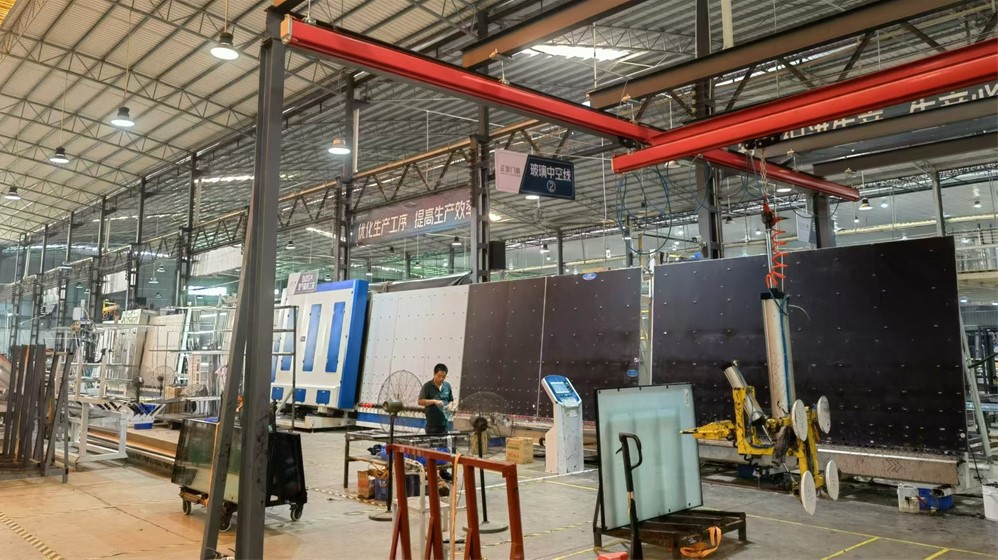
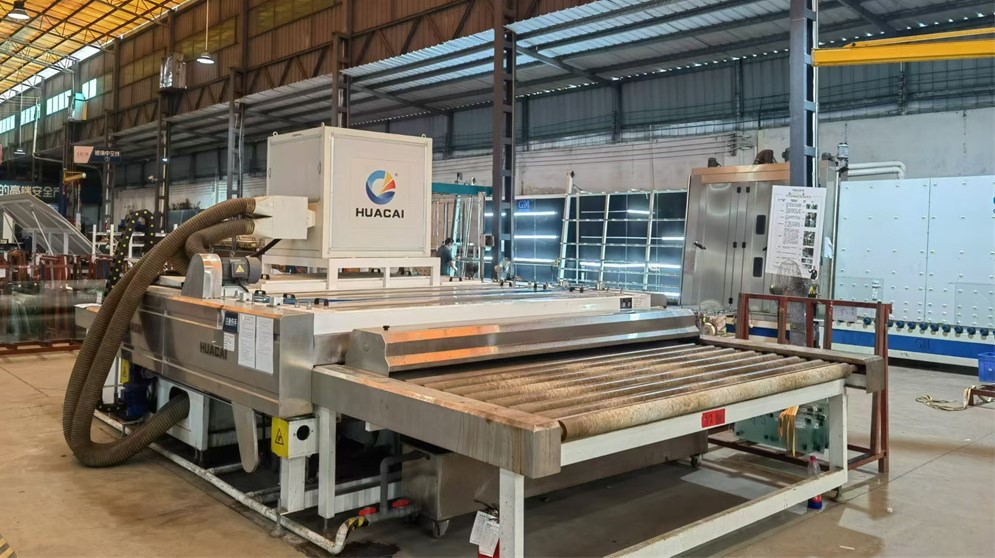
Our end-to-end production workflow maintains millimeter-level precision across every phase of aluminum window fabrication:

Our sliding window architectures are deployed across diverse structural typologies in Aichi Prefecture, adhering strictly to localized Japanese construction workflows.
High-frequency commercial sliding sashes integrated into curtain wall envelopes around Nagoya Station. Designed with motorized lock actuators, smart building management integration, and extra-high cycle heavy-duty stainless steel rollers.
Acoustic and thermally isolated sliding fenestrations for automotive engineering offices. Custom engineered with heavy glass panes (up to 12mm+16Ar+12mm) to suppress ambient machinery vibrations while ensuring thermal efficiency.
Minimalist flush-track pocket sliding doors designed for seamless indoor-outdoor living. Built with ultra-narrow 20mm vertical sightlines and integrated invisible fly-screens to maximize natural light without sacrificing thermal compliance.
Browse our full range of high-performance sliding window systems certified for international commercial developers and Japanese general contractors.
Concealed wall-pocket design for 100% open aperture views, ideal for modern urban living in Nagoya.
Engineered with German Siegenia/G-U lift-and-slide hardware for frictionless gliding of heavy glass panels.
Equipped with automatic rain sensors, wind speed locks, and voice control connectivity for intelligent modern homes.
High structural interlock mullions certified to sustain intense coastal typhoon pressures without deflection.
Features double-glazed acoustic glass coupled with magnetic internal Venetian blinds and stainless steel mesh.
Architectural minimalist aesthetics with frames fully embedded into walls, ceilings, and sub-floors.
Engineered specifically for quick installation into unitized aluminum curtain wall facades in downtown office towers.
Maximum thermal retention featuring krypton gas fills and quad Low-E coatings for sub-zero mountain microclimates.
We streamline international procurement for general contractors, architectural firms, and hardware importers in Aichi Prefecture. From BIM/CAD drawing shop approvals to just-in-time sea freight delivery at Port of Nagoya.
Conversion of Japanese architectural blueprints to factory shop drawings with JIS standard tolerance verification.
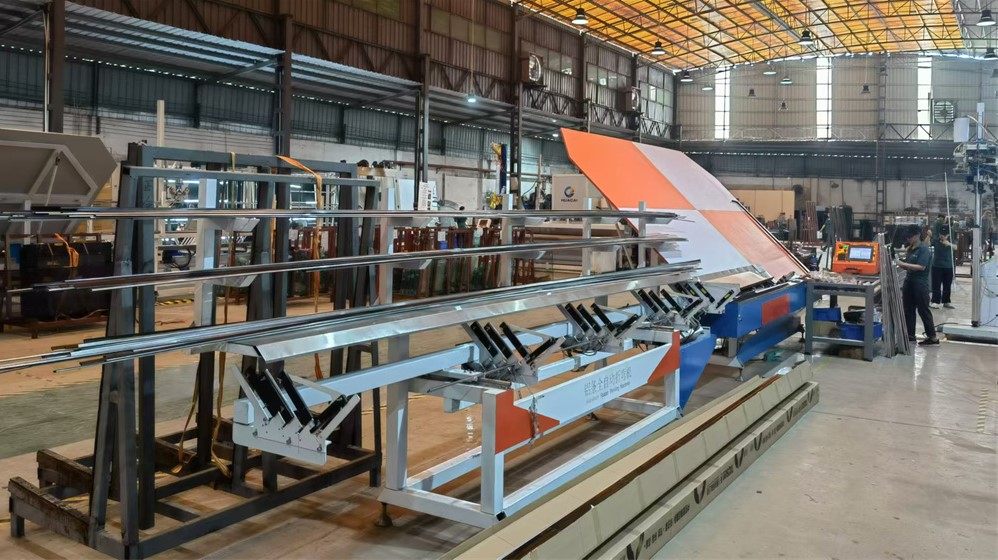
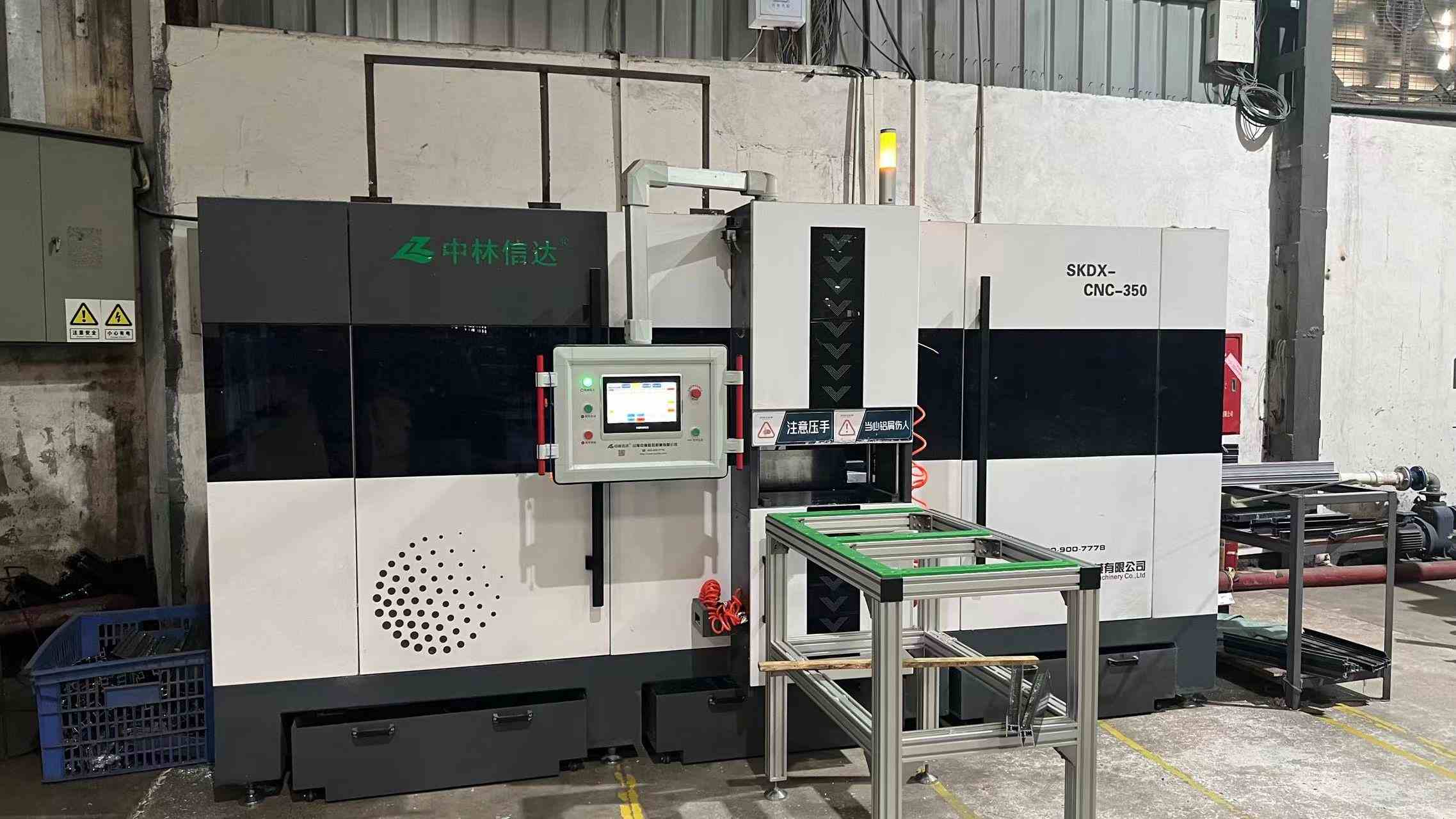
CNC cutting, automated corner crimping, and triple sealing execution under 48-point QC supervision.
Direct ocean shipping with steel-framed fumigated wooden crates to eliminate transit vibration damage.
Detailed installation guides, anchor bracket positioning charts, and localized technical guidance.
Clear answers to critical engineering, compliance, and logistical inquiries raised by Japanese general contractors and structural engineers.
Our sliding windows are factory-tested to meet and exceed JIS A 4702 structural requirements (covering wind pressure S-7, water tightness W-5, air tightness A-4, and acoustic isolation T-3). We provide comprehensive third-party lab test reports for wind deflection, water head pressure, and hardware durability. Our engineering team collaborates directly with Japanese structural auditors to provide shop drawings and calculation sheets required for Building Confirmation Certificates (Kenshu Sumishou).
Fortis sliding window profiles engineered for Japan feature specialized structural expansion joint gaps and high-elasticity EPDM perimeter gaskets. Frame assemblies utilize dynamic slip-anchors that allow up to 1/100 rad relative story displacement without imposing structural compressive strain on the glass units, preventing frame buckling or glass shattering during seismic events.
Production typically takes 20 to 30 days depending on custom extrusion and glass specifications. Direct ocean freight from Wuhan/Shanghai port to Port of Nagoya takes approximately 4 to 7 transit days. In total, developers can expect delivered products on-site within 35 to 45 days from final CAD drawing approval.
Our coastal window series utilizes stepped inner-high and outer-low tracks combined with pressure-equalized hidden drainage chambers. Rainwater driven by storm winds up to 500 Pa is rapidly discharged through one-way check valve drain ports, preventing water accumulation or backflow into interior living spaces.
Yes. We provide precise color matching in fluorocarbon spraying (PVDF), powder coating (AkzoNobel/Tiger), and anodized electrodeposition finishes. Popular finishes such as Shine Gray, Natural Silver, Matte Black, and Warm Dark Brown are standard within our production pipeline.
Consult with our Senior Architectural Engineering Team today. Get direct factory pricing, technical CAD assistance, and certified product samples tailored for the Japanese market.
 Fortis Window